
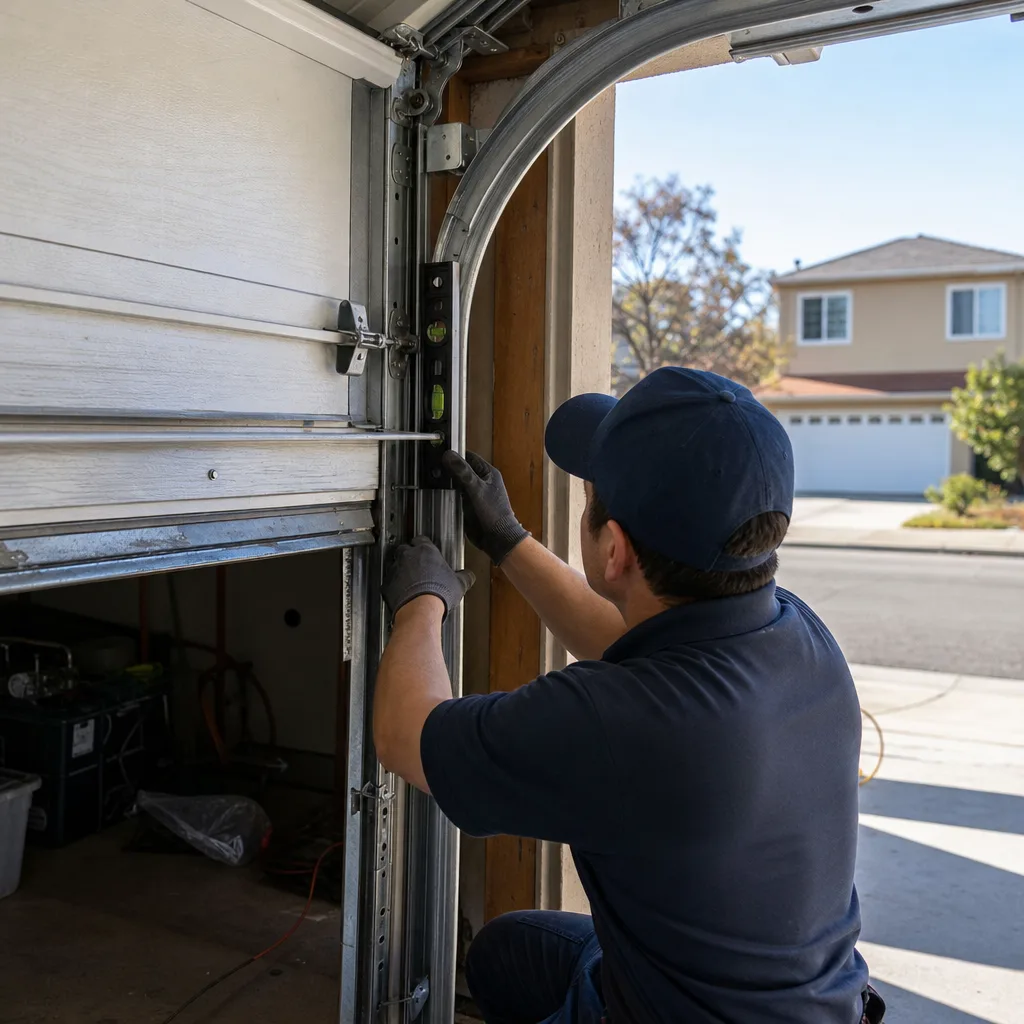
Last updated October 16, 2026
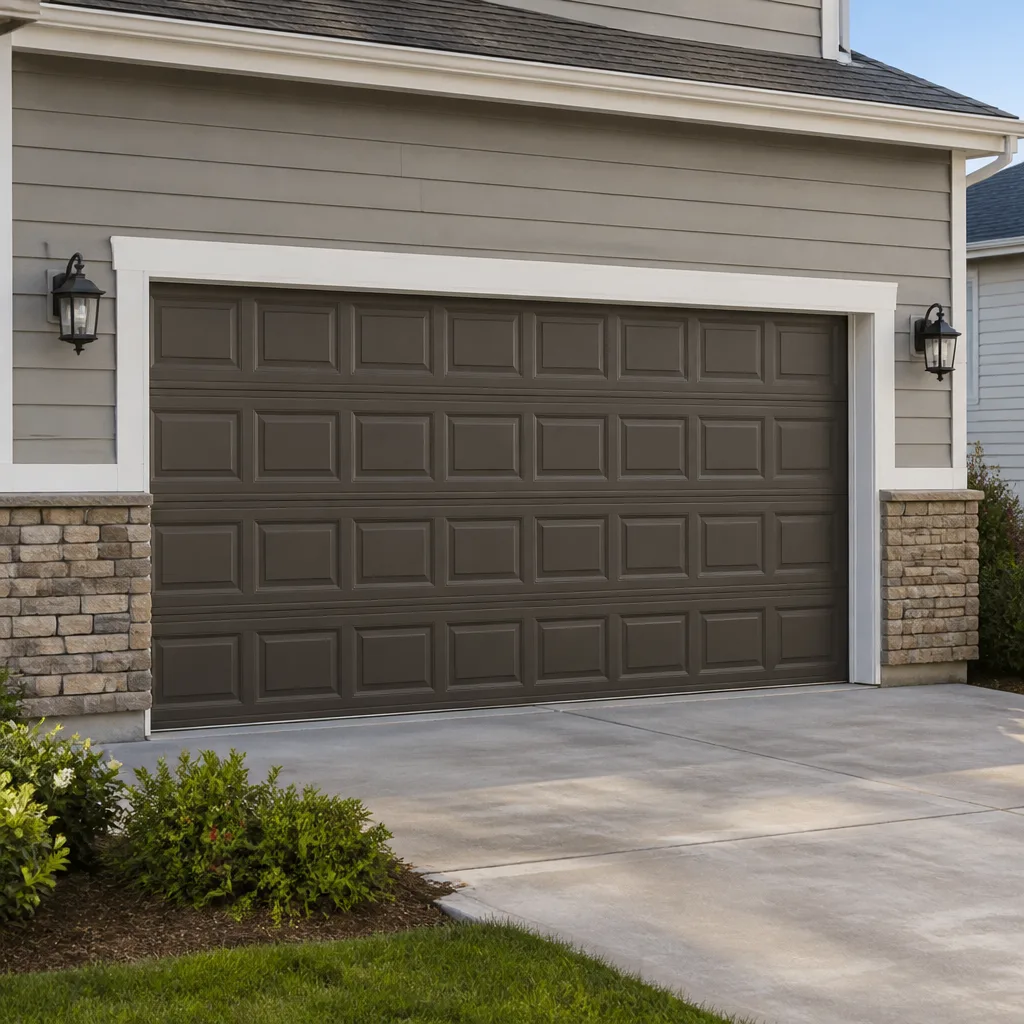 Raised-panel steel
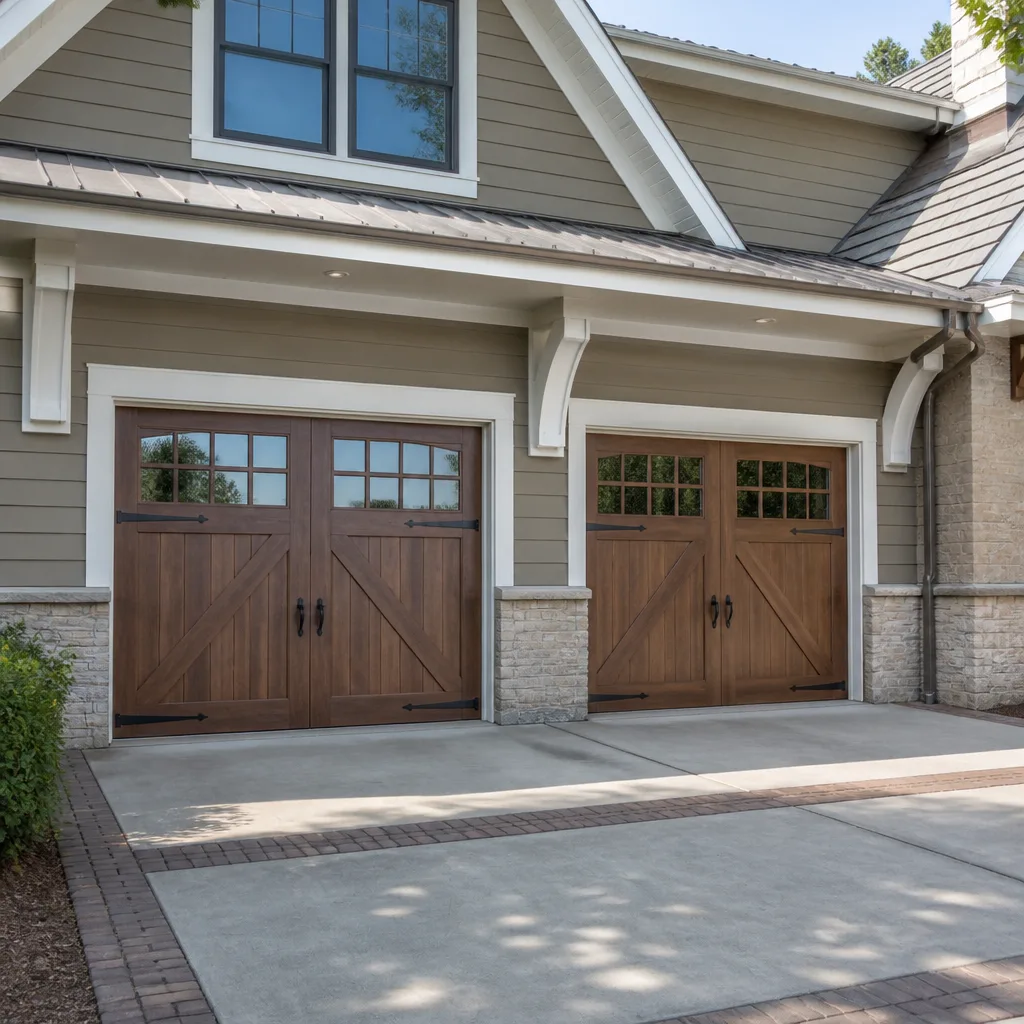 Carriage house
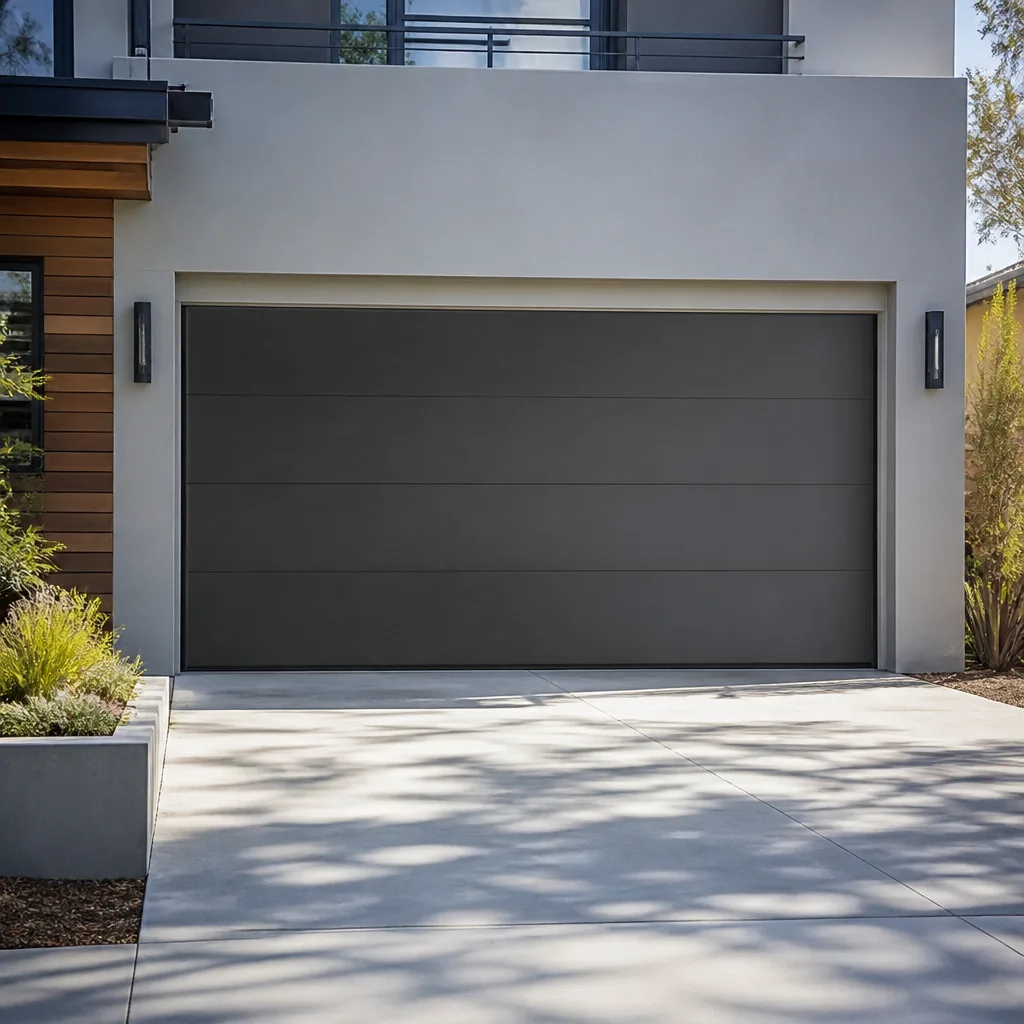 Modern flush
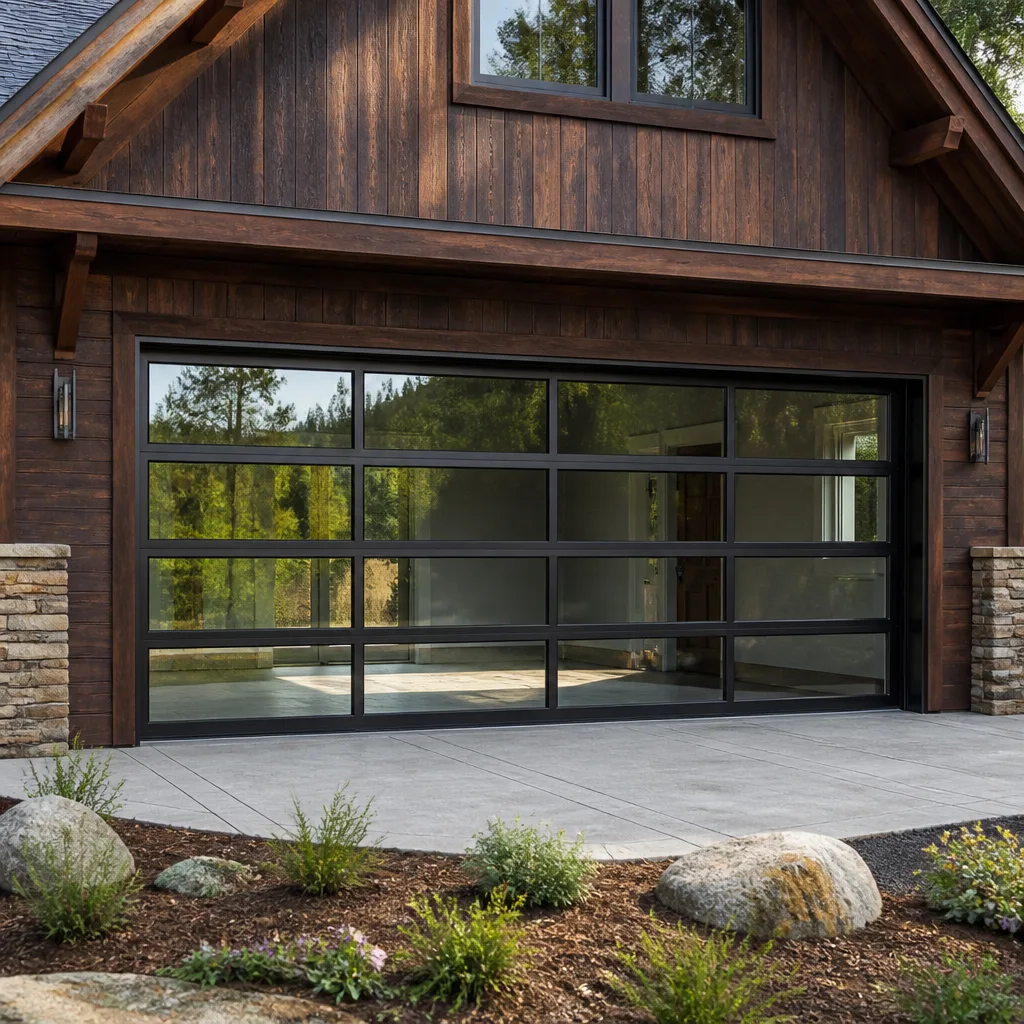 Full-view glass
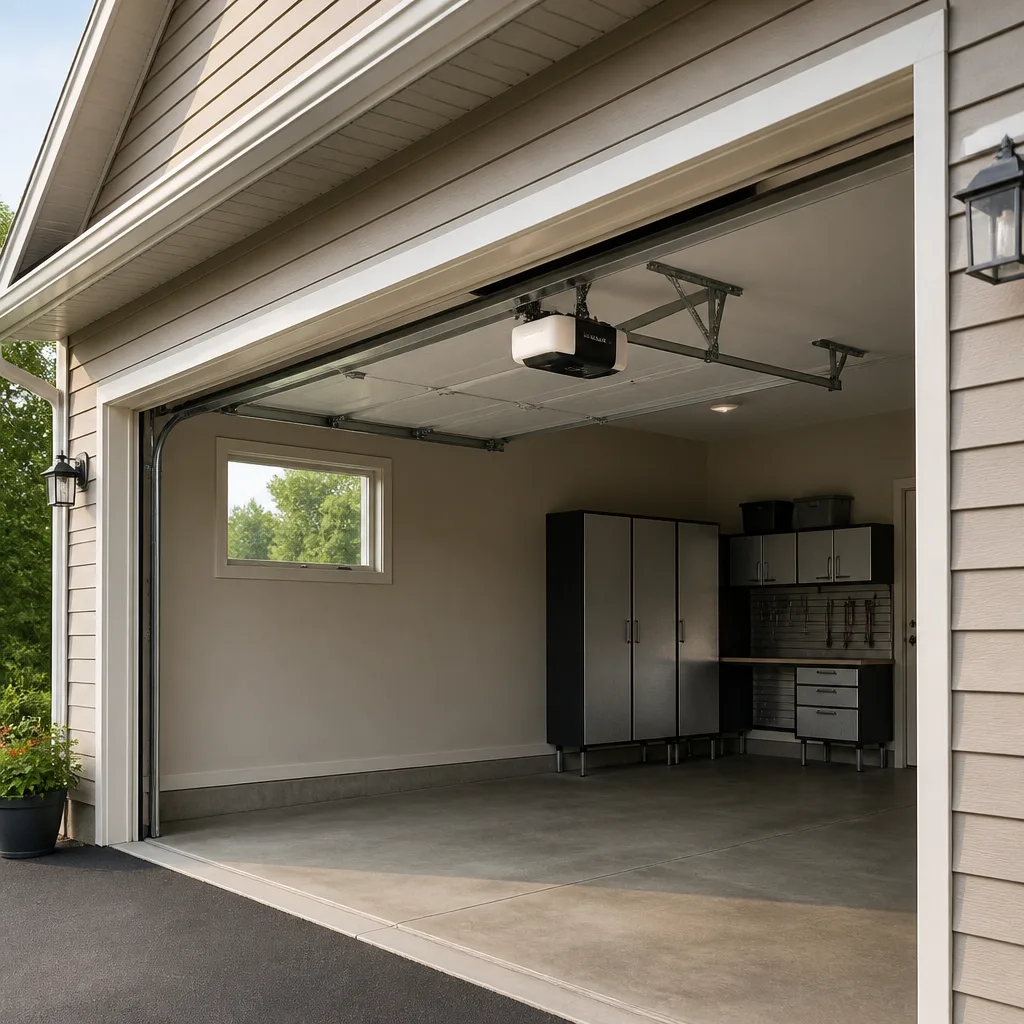 LiftMaster openers
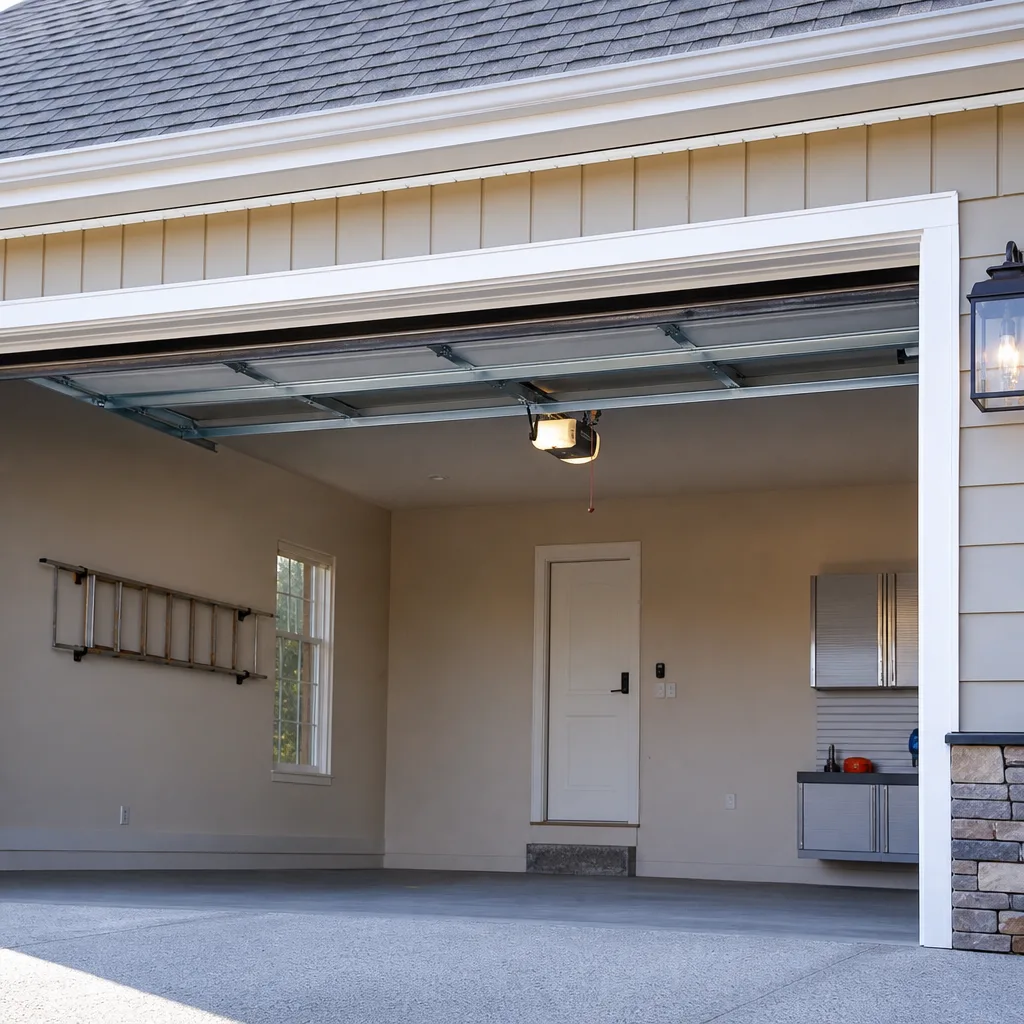 Chamberlain openers
Full 25-point door and opener safety check with every visit - springs, cables, rollers, tracks, and your LiftMaster or Chamberlain opener included
You get a price before we start. It does not change when the truck arrives.
Get your free estimateThe Complete Guide to Garage Door in San Jose
A garage door has 11 moving parts. Most repair invoices name only one, and that one is rarely the part that caused your problem in the first place. The average San Jose homeowner calls a repair company, hears “broken torsion spring,” approves the quote, and never learns that the real culprit was a frayed cable that overloaded the spring six months earlier. This guide walks you through every major component, what actually breaks, when it breaks, and what a fair repair looks like in San Jose, so you can talk to any technician as an informed customer instead of a captive audience.
Styles & brands we work with
Quick Answer
Garage door repair in San Jose typically costs between $125 and $350 for most common fixes, with torsion spring replacement running $150 – $280 parts and labor included. The door is a system of interdependent parts, not a collection of separate failures: a broken spring damages cables, which stress the drums, which strain the opener motor. Reputable San Jose companies provide a written price before starting work and back repairs with a written guarantee, and that’s what you should insist on from any technician who pulls into your driveway; for context on what drives these costs, see our Garage Door Cost Breakdown: The San Jose Homeowner’s Reference for 2026.
Table of Contents
- The Anatomy of Your Garage Door: Every Part, In Plain Language
- The Failure Chain: Why One Symptom Hides a Second Repair
- How Long Each Part Actually Lasts in San Jose
- What San Jose’s Climate and Commuter Life Do to Your Door
- What a Written Estimate Should Include Before Any Work Starts
- Red Flags on Repair Invoices: Line Items That Signal Trouble
- What’s Safe to Check Yourself, and What Is Not
- Common Mistakes to Avoid
- When to Call a Professional
- Frequently Asked Questions
- The Bottom Line
The Anatomy of Your Garage Door: Every Part, In Plain Language
Most homeowners know their garage door has springs and an opener. Few can name the cable drum, the trolley, or the limit switch, which is exactly why a fast-talking technician can describe a $90 part as if it required a master’s degree to diagnose. Here’s every major component, what it does, and what happens when it fails.
Torsion Springs
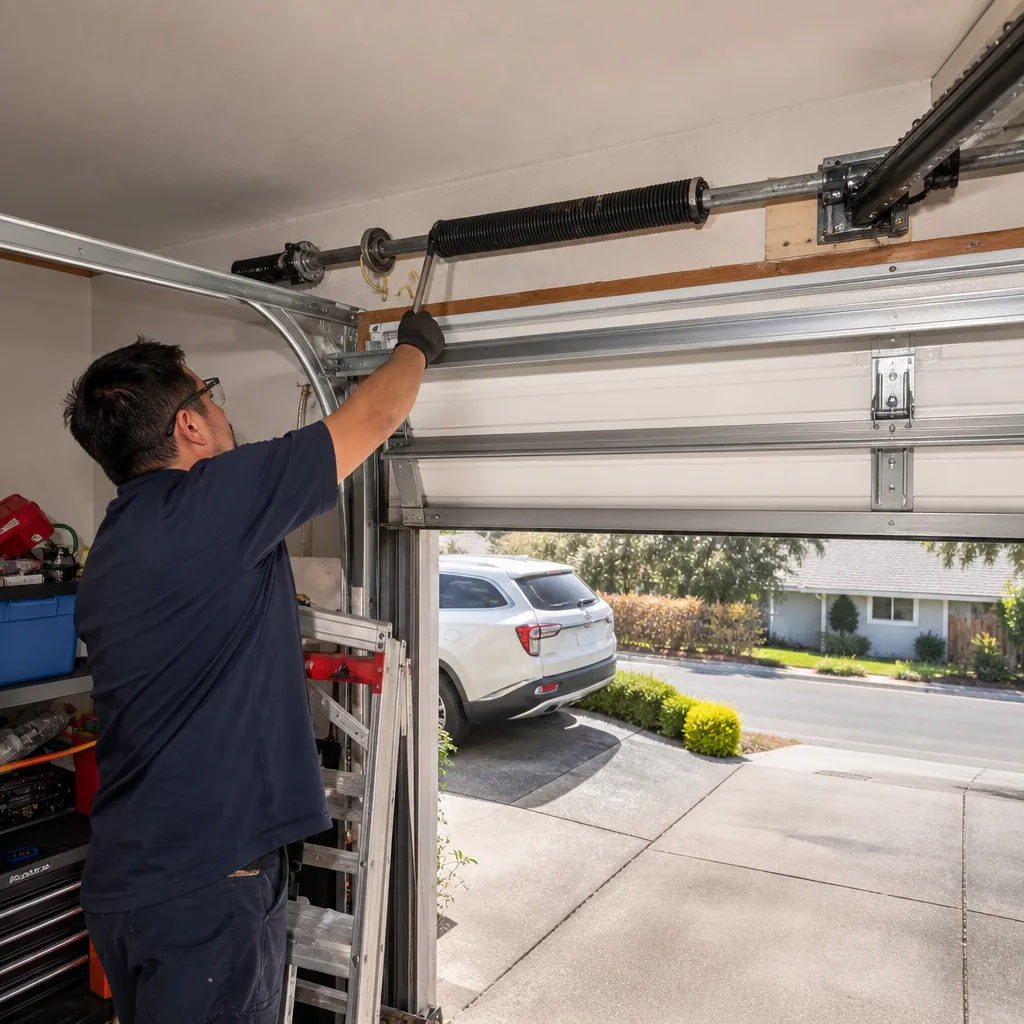
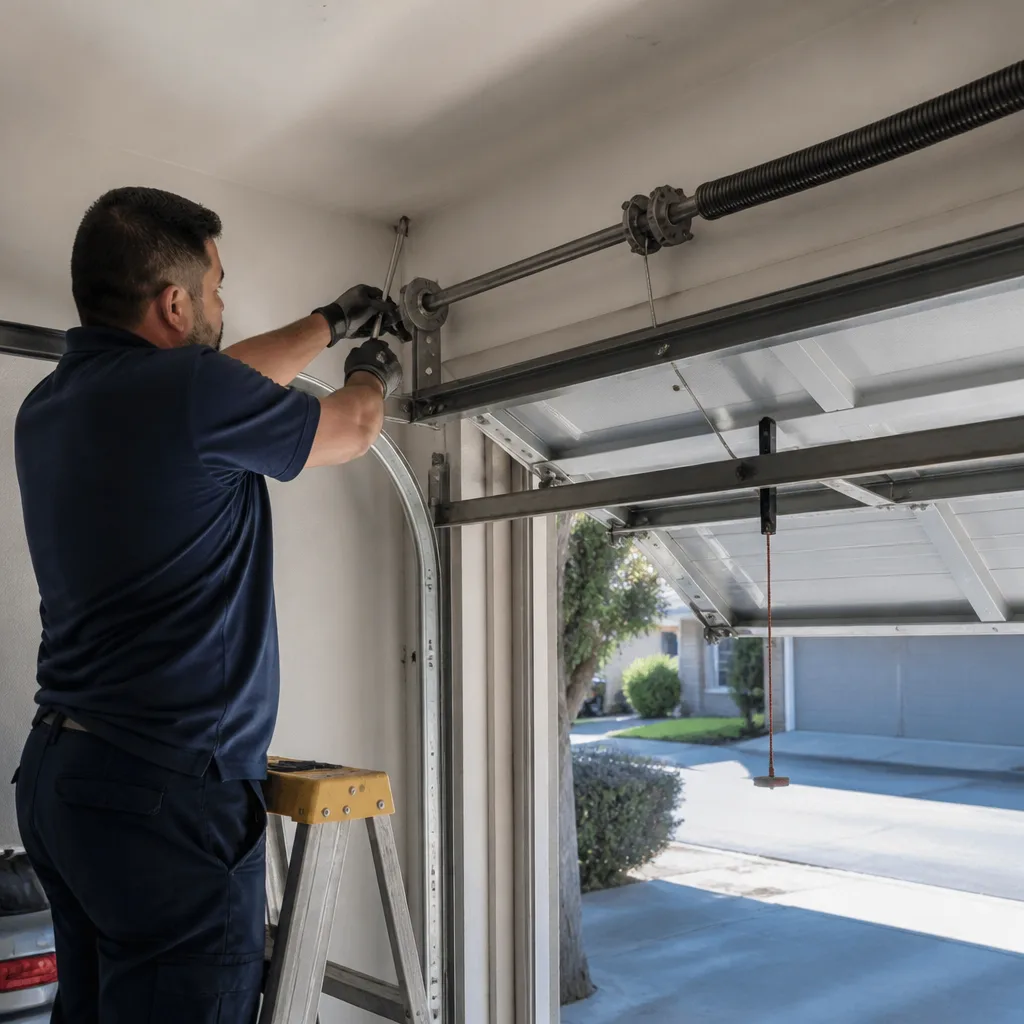
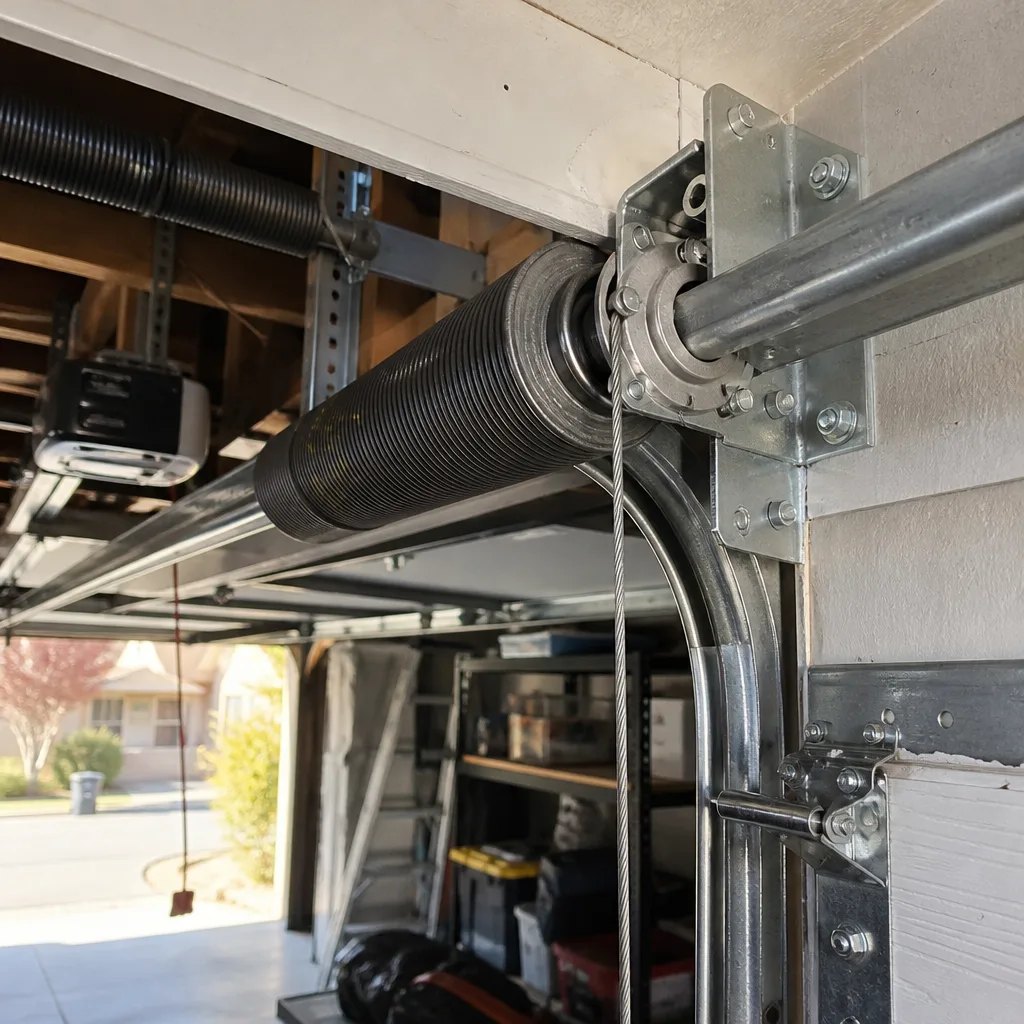
The torsion spring is the heavy coil mounted horizontally above the door opening. It handles most of the lifting weight, counterbalancing a 150 – 200 pound door so the opener motor only has to manage a fraction of the load. Torsion springs are rated for a specific number of cycles, one cycle being a single open-and-close. Standard springs are rated around 10,000 cycles. In a commuter-heavy San Jose household where the door opens four to six times daily, that’s roughly five to eight years of service before metal fatigue sets in. When a torsion spring fails, the sound is unmistakable: a sharp crack like a firecracker, often followed by the door refusing to lift more than a few inches.
Extension Springs
Older San Jose homes, particularly ranch-style houses built before 1990, often have extension springs running along the horizontal tracks on either side. These stretch and contract rather than twist. They do the same counterbalancing job as torsion springs but fail differently, usually with visible stretching or a snapped safety cable. Modern installs in San Jose overwhelmingly use torsion systems because they’re safer and last longer, but if your door has two long springs on the sides, you have an extension system and should know that these require a safety cable running through the center of each spring. When that cable is missing, a snapped spring becomes a projectile.
Cable Drums
At each upper corner of the door, above the opening, sits a grooved drum. The lifting cables wind around these drums as the door moves. The drums keep both sides of the door rising evenly. When a torsion spring breaks, the sudden release of tension often causes the cables to jump the drum grooves and fray against the drum edges. A homeowner sees a dangling cable and assumes the cable was the original problem. In our experience across San Jose, the cable is almost always the second failure in a chain that started at the spring.
Lifting Cables
The cables are braided steel wires that connect the bottom brackets of the door to the cable drums. They carry the door’s weight when the spring system is compromised. In San Jose’s damp winter months, cables on older doors rust faster, especially in neighborhoods closer to the Bay like Alviso or North San Jose where salt air accelerates corrosion. A frayed cable should be replaced immediately, not spliced or patched. A snapped cable under tension can lash unpredictably, and a door with one failed cable puts uneven stress on the entire track system.
Rollers
Rollers are the small wheels attached to the door’s side hinges, riding inside the vertical and horizontal tracks. Steel rollers last longer than nylon, but nylon rollers run quieter, which matters when your garage sits directly below a bedroom in a two-story San Jose home. Worn rollers cause a grinding sound and can jump the track. A door with flat-spotted rollers vibrates excessively, which wears every other component faster. Roller replacement is one of the cheapest preventive repairs you can make, usually $80 – $150 for a full set on a double door.
Trolley and Rail
The trolley is the carriage that travels along the rail mounted to your garage ceiling, connected to the door by a curved arm. When you hear a rattling or grinding from above while the door moves, the trolley is often the source. On chain-drive openers, the trolley wears against the chain. On belt-drive openers, which are common in newer San Jose homes where the garage is adjacent to living space, the trolley glides on a rubber belt and runs noticeably quieter. A worn trolley assembly can cause the door to bind mid-travel, which then overloads the opener motor.
Limit Switch
The limit switch is the component inside the opener head that tells the motor when the door has reached its fully open or fully closed position. When a limit switch is set incorrectly, the door may reverse before touching the floor, or slam into the ground and bounce back up. In San Jose homes with shifting soil, particularly in the Evergreen and Silver Creek foothills, door frames can settle slightly over time, changing the door’s resting position and making the limit switch seem faulty when the real issue is a few millimeters of frame movement.
Opener Motor and Drive System
The opener motor, mounted to the ceiling, provides the pulling force. It is not designed to lift the door’s full weight, which is why a broken torsion spring kills openers quickly. Motors on chain-drive systems run louder and wear chains faster. Belt-drive and screw-drive systems require less maintenance. We service all major opener brands in San Jose, including LiftMaster, Chamberlain, Genie, Craftsman, and Raynor. The motor on a well-maintained opener lasts 10 – 15 years. The motor on an opener forced to compensate for a failing spring dies in a fraction of that time.
The Failure Chain: Why One Symptom Hides a Second Repair
The most expensive lesson a San Jose homeowner learns is that garage door parts do not fail in isolation. They fail in sequence, each failure accelerating the next. Understanding this chain is the single most valuable thing you can take from this guide, because it changes how you evaluate any repair quote.
The Typical Sequence
- The torsion spring reaches the end of its cycle life. Metal fatigues invisibly. The door gets slightly heavier to lift over the final months, but most homeowners don’t notice because the opener motor compensates silently.
- The spring snaps. The loud crack you hear is the spring releasing stored tension. The door, suddenly unassisted, weighs its full 150 – 200 pounds.
- The cables go slack. With the spring no longer doing its job, the lifting cables lose tension instantly. They jump the drum grooves and often fray against the drum edges or the track brackets.
- The opener strains against the full weight. Anyone who presses the wall button after the spring breaks is forcing the motor to lift a dead weight it was never designed to handle. This is when opener gears strip and trolley assemblies bend.
- The technician arrives and names one part. The visible symptom, often the dangling cable or the stripped opener gear, gets quoted. The broken spring, the root cause, gets replaced only if the homeowner is lucky enough to have hired someone who inspects the whole system.
This is why Bramwell Garage Doors San Jose trains every technician to inspect the full system on every visit, not just the part that triggered the call. A spring replacement that ignores a frayed cable means another service call in three months. A cable replacement that ignores the dead spring means the cable fails again almost immediately.
How Long Each Part Actually Lasts in San Jose
Longevity depends on three things: the quality of the part, the number of cycles the door performs daily, and the local environment. San Jose’s mild climate means extreme temperature swings are not a major factor, but the damp winter months and salt air in Bay-adjacent neighborhoods do accelerate rust on steel components. Here’s a realistic lifespan table for a typical San Jose home with a door that cycles four times daily.
- Torsion springs: 7 – 12 years (10,000-cycle springs in a two-car commuter household typically fail around year 8)
- Extension springs: 5 – 8 years (shorter rating, and older springs in pre-1990 San Jose homes are often already past their replacement date)
- Lifting cables: 8 – 12 years, less near the Bay (salt air corrosion is the main killer)
- Rollers: 5 – 7 years for nylon, 10+ for steel (but steel is louder; nylon is the better choice for attached garages)
- Opener motor: 10 – 15 years (dies early if forced to lift a door with a broken spring)
- Trolley assembly: 10 – 15 years (chain-drive trolleys wear faster than belt-drive)
- Limit switch: 10 – 15 years (often just needs adjustment, not replacement)
- Door panels: 20 – 30 years (steel panels in San Jose’s moderate climate last decades barring impact damage)
- Track system: 20 – 30 years (visually inspect for bends after any door impact)
These are ranges, not guarantees. A door that cycles eight times daily because two working adults and two teenagers leave at different times will wear every component roughly twice as fast. If you live in a neighborhood like Willow Glen or Almaden Valley where the garage is the primary entry and exit point, plan for the shorter end of every range.
What San Jose’s Climate and Commuter Life Do to Your Door
San Jose’s climate is kind to garage doors compared to Minneapolis or Phoenix. No sub-zero metal contraction. No 115-degree heat baking the torsion springs. But the local conditions create their own failure patterns, and knowing them helps you anticipate repairs before they strand your car in the driveway.
Damp Winters and Salt Air
San Jose’s winter rains bring moisture into garages that often lack ventilation. Steel components, particularly lifting cables and extension springs on older doors, develop surface rust. The rust itself is rarely the immediate problem. The problem is that rust creates friction points on the cable as it winds through the drum, which accelerates fraying. Homes within a few miles of the Bay’s south end, including Alviso, North San Jose, and parts of Milpitas-adjacent neighborhoods, get a measurable dose of salt air that speeds this corrosion noticeably. A cable that would last 12 years in Almaden Valley might last 8 in Alviso.
High Cycle Counts in Commuter Neighborhoods
San Jose is a commuter city. The typical household in neighborhoods like Evergreen, Berryessa, and Cambrian opens the garage door at 7 AM, closes it, opens it again at 6 PM, and closes it again. Add a midday trip to pick up kids from school or run to the grocery, and you’re at four to six cycles daily. Over a year, that’s 1,400 to 2,200 cycles. Over eight years, you’ve blown past the 10,000-cycle rating on standard torsion springs. This is not a defect. It’s arithmetic. When a San Jose homeowner says their spring “only lasted six years,” the honest answer in most cases is that the spring did exactly what it was rated to do.
Attached Garages and Noise Sensitivity
A large portion of San Jose’s housing stock, particularly the post-1970 single-family homes, has the garage directly adjacent to or below living space. This changes the math on repair choices. A steel roller set costs less than nylon, but the steel set broadcasts every open and close through the wall. A chain-drive opener is cheaper than a belt-drive, but the chain rattles through the ceiling joists. We regularly recommend nylon rollers and belt-drive openers to San Jose homeowners not because they’re premium upsells, but because the alternative means compromising on the reason you live in a house rather than an apartment: quiet.
What a Written Estimate Should Include Before Any Work Starts
Every reputable garage door company in San Jose provides a written price before beginning work. If a technician quotes verbally and starts unboxing parts, stop the job. A written estimate is the single most effective protection against the door-step price change, which remains the most common complaint we hear from homeowners who have been burned before.
The Essential Line Items
- Parts, itemized. “Torsion spring, 0.250 x 2 x 32, high-cycle” tells you the spring’s size and rating. “Spring replacement kit” without specifications is vague and allows a technician to install a lower-rated spring than your door needs.
- Labor, stated separately. This lets you compare the cost of parts against the time required. Most San Jose spring replacements take 45 – 90 minutes. If the labor line is $300 for a spring job, ask why.
- Any second-part replacement, listed now. If the technician’s inspection reveals a frayed cable or worn roller set alongside the primary repair, that should appear on the estimate now, not as a surprise “discovery” after the spring is already off.
- The total, in dollars, unqualified. No “plus parts,” no “we’ll see once we’re in there.” The number you approve is the number you pay.
- The guarantee, in writing, with a specific term. The Kingswell Guarantee, which every Bramwell Garage Doors San Jose repair carries, means the repair is backed in writing. The 365-Day Done Right Promise means if the covered repair fails within a year, we come back and fix it at no charge. That commitment is in writing, on the invoice, not spoken in the driveway.
A proper estimate takes five minutes because the technician has inspected the full system and knows what the job requires. A rushed estimate should make you nervous.
Red Flags on Repair Invoices: Line Items That Signal Trouble
We’ve audited countless repair invoices from other San Jose companies over the years, and certain line items appear with suspicious regularity. Here’s what to watch for.
- “Inspection fee” charged on top of a repair. Reputable companies roll the inspection into the repair cost. If you approve a repair, the diagnostic time is part of the labor line, not a separate charge.
- “Service call fee” that does not apply to the repair. The standard in San Jose is that the service call fee is waived when you approve the repair. If a company charges you a $79 trip fee plus the full repair price, they’re double-dipping.
- “Spring conversion” with no explanation. Converting an extension spring system to a torsion system is a legitimate upgrade, but it should be itemized and explained. A one-line “conversion” with a four-figure price is a request for you to fund the technician’s boat.
- Vague part descriptions. “Door repair parts” is not an itemization. A genuine invoice lists the spring gauge, the cable length, the roller material. Specificity is the tell of an honest shop.
- Guarantee language with no term. “Guaranteed” means nothing without a duration. One month? One year? Ask the technician exactly what the guarantee covers and for how long. If the answer is vague, the guarantee is a marketing slogan.
Marcus Ellery, who runs Bramwell Garage Doors San Jose, made the written estimate and written guarantee the foundation of the business for exactly this reason. The price quoted before work starts is the price on the invoice when the job ends. Every time.
What’s Safe to Check Yourself, and What Is Not
There are safe homeowner inspections and there are dangerous ones. The line between them is the torsion spring. Torsion springs hold stored mechanical energy, enough to break bones or worse if released uncontrolled. Extension springs without safety cables are equally dangerous. We will not provide instructions for spring work because no amount of written instruction replaces hands-on training, and the risk of serious injury is real. If your inspection points to a spring issue, call a licensed professional. For help deciding whether to attempt any repair yourself, read our DIY vs Professional Garage Door: The San Jose Homeowner’s Decision Guide.
Safe to Check Yourself
- Visual rust on cables. With the door closed, examine the cables for frayed strands or rust discoloration. Do not touch them under tension.
- Roller condition. With the door closed and the opener disengaged, you can usually see the rollers through the track. Look for cracked nylon wheels or flat-spotted steel wheels.
- Track alignment. Stand inside the garage and sight down the vertical tracks. They should be plumb and parallel. A visibly bent track means something struck the door or the door ran misaligned for a long time.
- Balance test at the halfway point. Disengage the opener using the red emergency release handle. Manually lift the door to waist height. A properly balanced door stays in place. A door that drops is under-sprung, and a door that rises is over-sprung. Both conditions mean spring problems, but this test itself is safe if you keep your hands clear of the tracks and springs.
Not Safe to Do Yourself
- Adjusting, replacing, or even touching a torsion spring. The winding bars used to adjust these springs can slip, and the stored energy releases with enough force to cause catastrophic injury.
- Replacing a lifting cable. The cable is under tension from the spring system. Removing it without releasing the spring properly can cause the cable to whip and the door to fall.
- Removing a bottom bracket. The bottom brackets attach the cables to the door and are under constant tension. Any work here requires releasing the spring system first.
- Electrical work on the opener. The opener is a 120-volt appliance. Problems with the motor, the capacitor, or the wiring belong to someone who works with line voltage professionally.
Common Mistakes to Avoid
- Replacing the opener when the spring is the problem. This is the most expensive mistake we see in San Jose. A stripped gear or a burned motor is usually a symptom of a spring that failed months ago. Replacing the opener without replacing the spring means the new opener meets the same fate. Before you approve an opener replacement, ask whether the spring system was load-tested.
- Accepting a verbal quote. If the price is not on paper before work begins, the quote does not exist. A verbal number is a starting point for negotiation at the end of the job.
- Ignoring a noisy door. Grinding, rattling, and squealing are early warning sounds, not personality traits. A door that starts making new sounds is telling you a roller is flat, a cable is fraying, or a hinge is failing. Fixing the early sound costs a fraction of fixing the later failure.
- Lubricating with the wrong product. WD-40 is a solvent, not a lubricant, for garage door applications. It strips existing grease and accelerates wear. Use a silicone-based or lithium-based garage door lubricant on rollers, hinges, and the opener rail. Never lubricate the torsion spring itself.
- Disconnecting the opener during a failure and forcing the door manually. When the spring is broken, the door weighs its full 150 – 200 pounds. Forcing it up the track by hand risks the door falling and injuring whoever is underneath it. If the door will not open normally, call for service.
- Skipping the safety reverse test. Place a 2×4 flat on the floor under the door’s path and close the door. A properly functioning opener should reverse within a second of contacting the wood. This test takes 30 seconds and verifies the photo-eye sensors and force settings are working. Do it twice a year.
- Choosing the lowest bid without reading the estimate. A San Jose spring replacement quoted at $89 should raise questions. The parts alone cost more than that from any supplier. A price that’s dramatically below market signals either omitted parts, a bait-and-switch waiting to happen, or a technician who doesn’t carry insurance. The garage door spring repair in San Jose market has a consistent price band for a reason.
When to Call a Professional
A broken torsion spring, a snapped cable, a door off its tracks, or a bent track from a vehicle impact are all professional calls. These failures involve stored energy or structural misalignment, and attempting repairs without training risks injury. Electrical symptoms on the opener, including burning smells, non-responsive wall buttons, or a motor that hums without moving, are also professional territory.
Beyond emergencies, call a professional when your door makes a sound you’ve never heard before, when the reversal test fails, or when your door is visibly uneven as it travels. These are early warnings that a trained eye can diagnose in minutes. Bramwell Garage Doors San Jose offers free estimates throughout San Jose and the surrounding neighborhoods, from Willow Glen to Evergreen to Almaden Valley. Call (669) 444-4253 and a live person answers, 24 hours a day, every day of the year. For more on our full repair scope, see our garage door repair in San Jose page.
Frequently Asked Questions
Most garage door repairs in San Jose cost between $125 and $350. A torsion spring replacement, the most common repair, runs $150 – $280 parts and labor included. Cable replacement typically runs $110 – $190 per cable. Roller replacement for a full set runs $80 – $150. Call (669) 444-4253 for an exact quote, estimates are free.
In most cases, yes. Bramwell Garage Doors San Jose dispatches technicians throughout San Jose the same day for repair calls, and a live person answers the phone 24/7, including nights, weekends, and holidays. When you call (669) 444-4253, you’ll get a real arrival window, not a four-hour shrug.
It should not. A reputable San Jose company provides a written price after inspecting the full system, before any work begins. The number on the estimate is the number you pay. If a technician discovers a second issue during the repair, that should be presented as a new written estimate with your approval required. No surprise add-ons at the end.
Yes. Our San Jose service vehicles are stocked with torsion springs in common sizes, lifting cables, roller sets, hinges, and opener replacement parts. Most repairs are completed on the first visit, which is the point. A technician who has to order parts and return next week has put your door out of service for days longer than necessary.
No. Grinding signals that a mechanical component is failing, usually a roller or a worn trolley. Continued use accelerates the wear, and a seized roller can pull the door off its tracks. Stop using the door, call (669) 444-4253, and have a technician inspect it. The inspection catches small problems before they become door replacements.
A garage door installation in San Jose is a measured, scheduled job, not a same-day dispatch. New doors are ordered to your exact opening dimensions, which takes planning and a free in-home measure. The pricing is written and provided before any order is placed. Repair work, by contrast, is stocked on the truck and completed the same day in most cases. The common thread is the same: a written price before the work, and a written guarantee on the result.
Our main Bramwell Garage Doors San Jose home page covers the full scope of services, the Kingswell Guarantee that backs every repair, and what to expect from a visit. Every San Jose location is independently owned and operated, but all work to the same Kingswell standard: written price, real arrival window, clean job site, written guarantee.
The Bottom Line
Your garage door is a system, not a collection of parts. The spring bears the weight, the cables transfer it, the drums guide it, the rollers smooth it, and the opener merely directs traffic. When one component fails, the others follow in sequence unless someone catches the chain early. That’s why a full-system inspection matters, why a written estimate matters, and why a written guarantee matters. In San Jose, where commuter cycle counts run high and salt air creeps up from the Bay, those three practices are the difference between a repair that lasts a decade and a repair that quits in six weeks. The garage door repair in San Jose market rewards homeowners who ask questions before approving work. Now you know which questions to ask.
Call Bramwell Garage Doors San Jose at (669) 444-4253 for a free estimate on any garage door issue, or browse more guides & resources to keep your door running smoothly. A live person answers, the price is written before work starts, and the repair is backed by the 365-Day Done Right Promise in writing.
Written by Marcus Ellery, Owner at Bramwell Garage Doors San Jose, serving San Jose since 2001.
See the difference
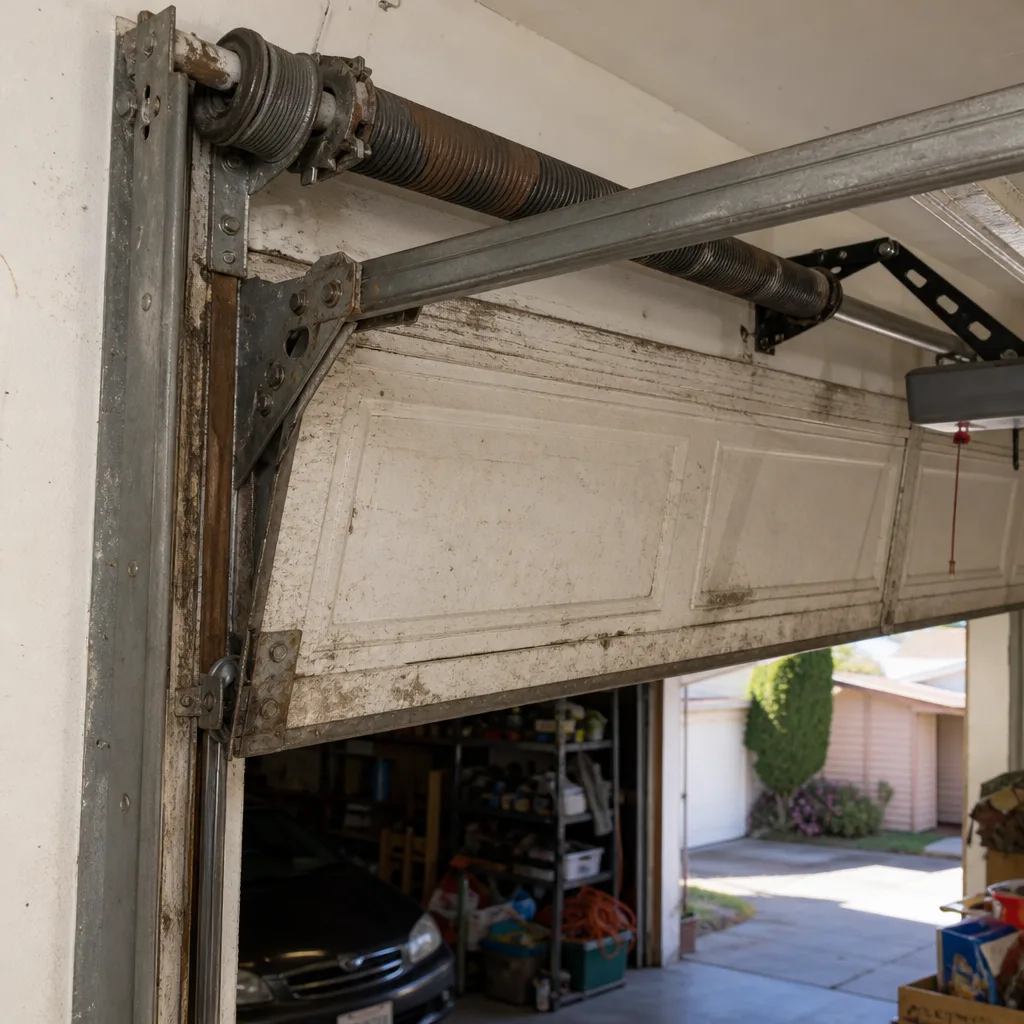 Before
 After
After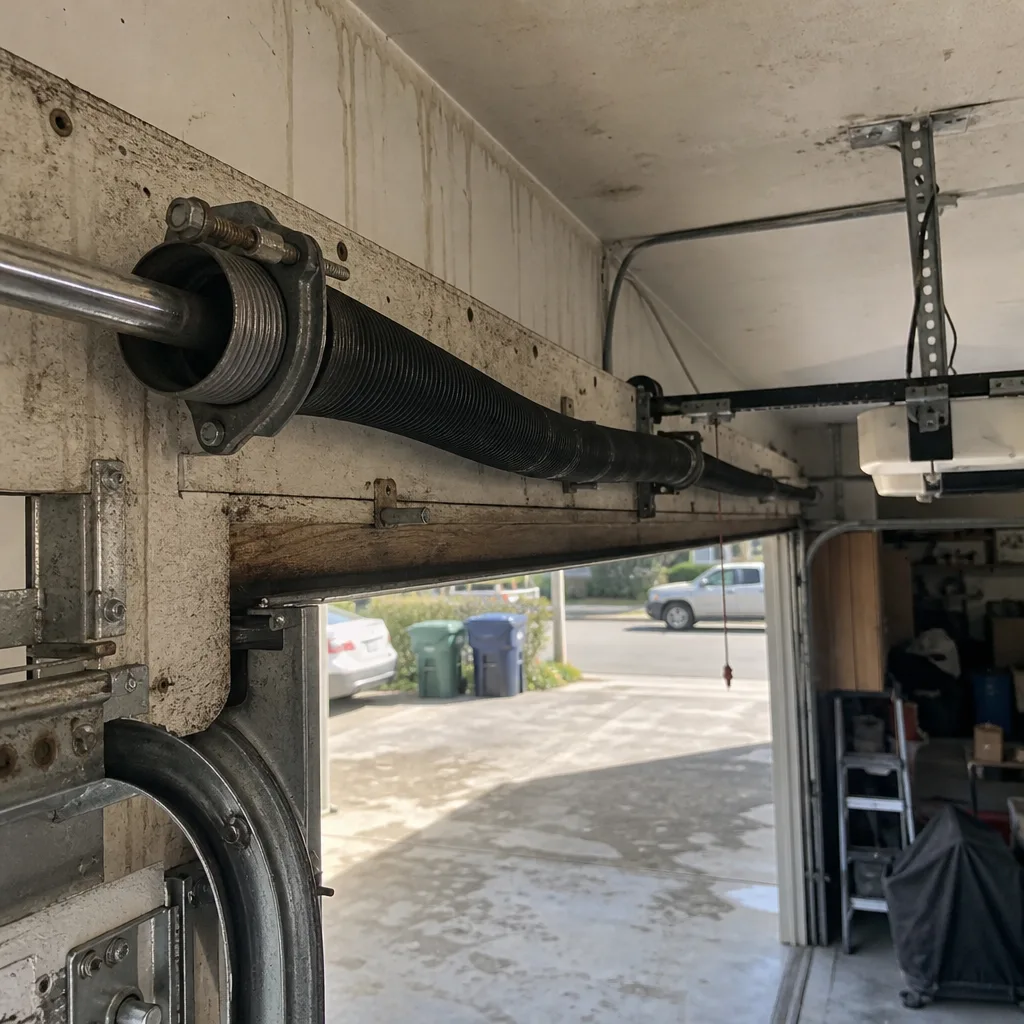 Before
 After
After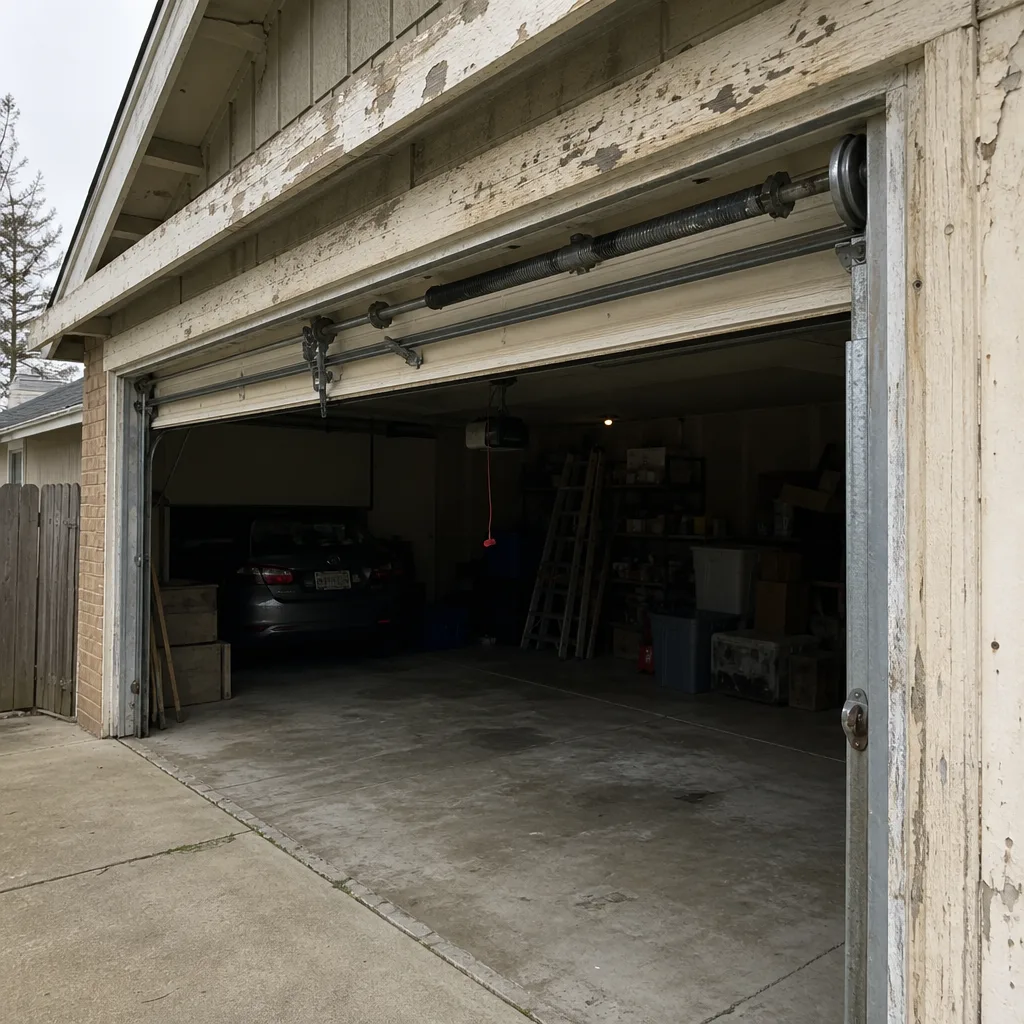 Before
 After
After