
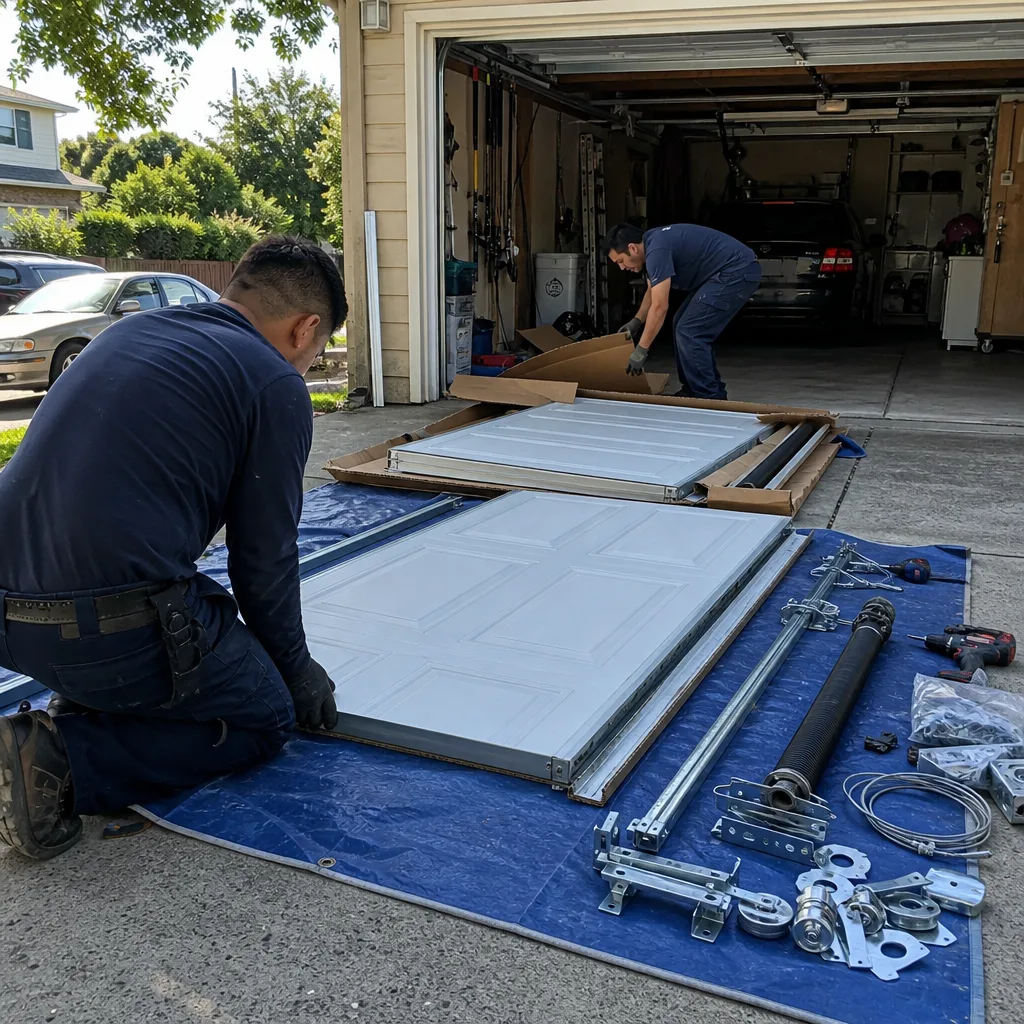
Last updated October 16, 2026
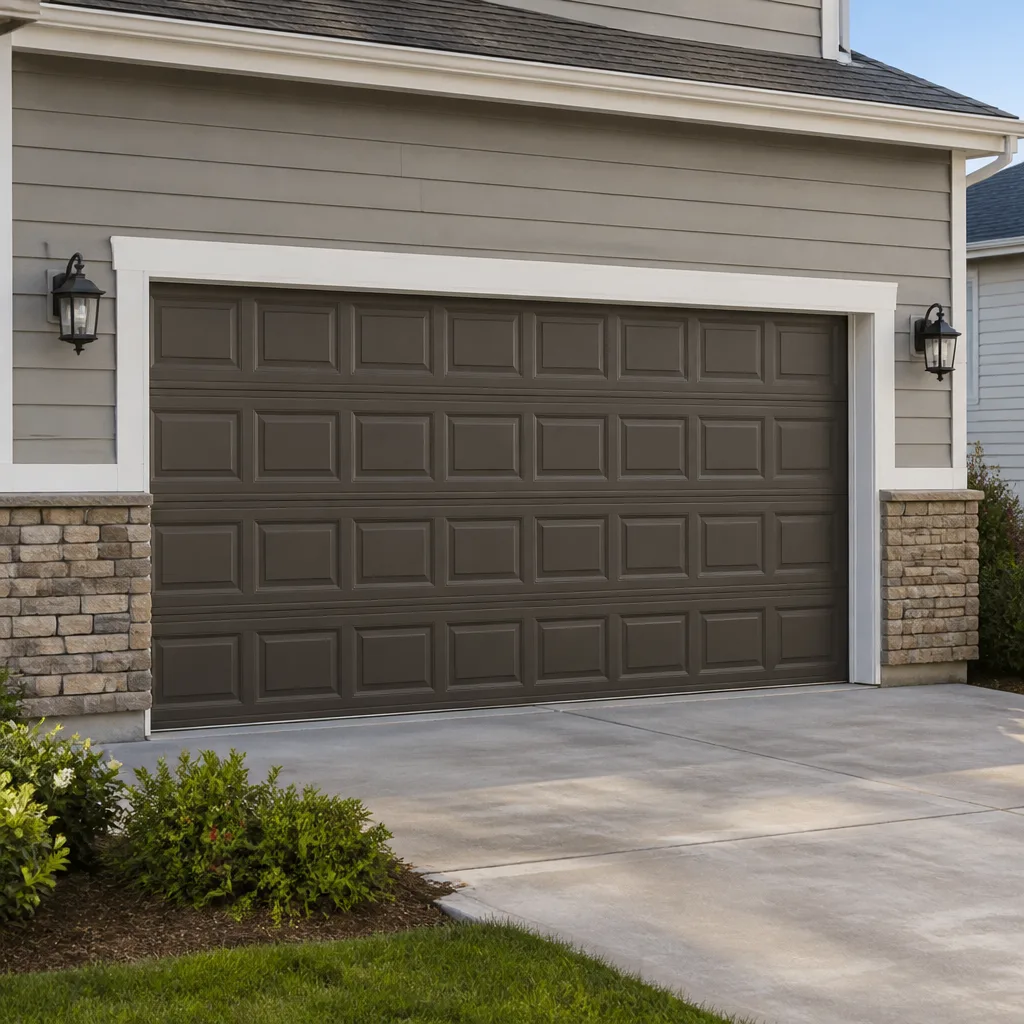 Raised-panel steel
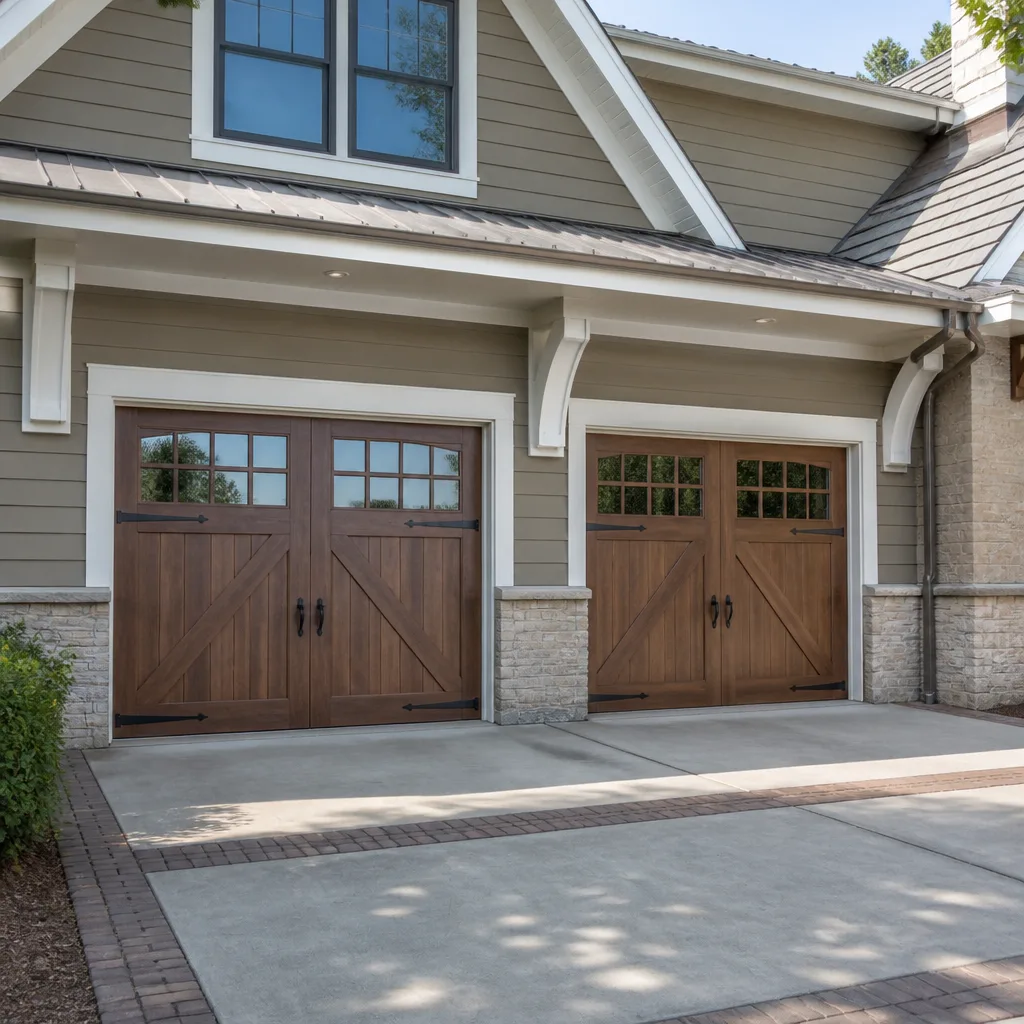 Carriage house
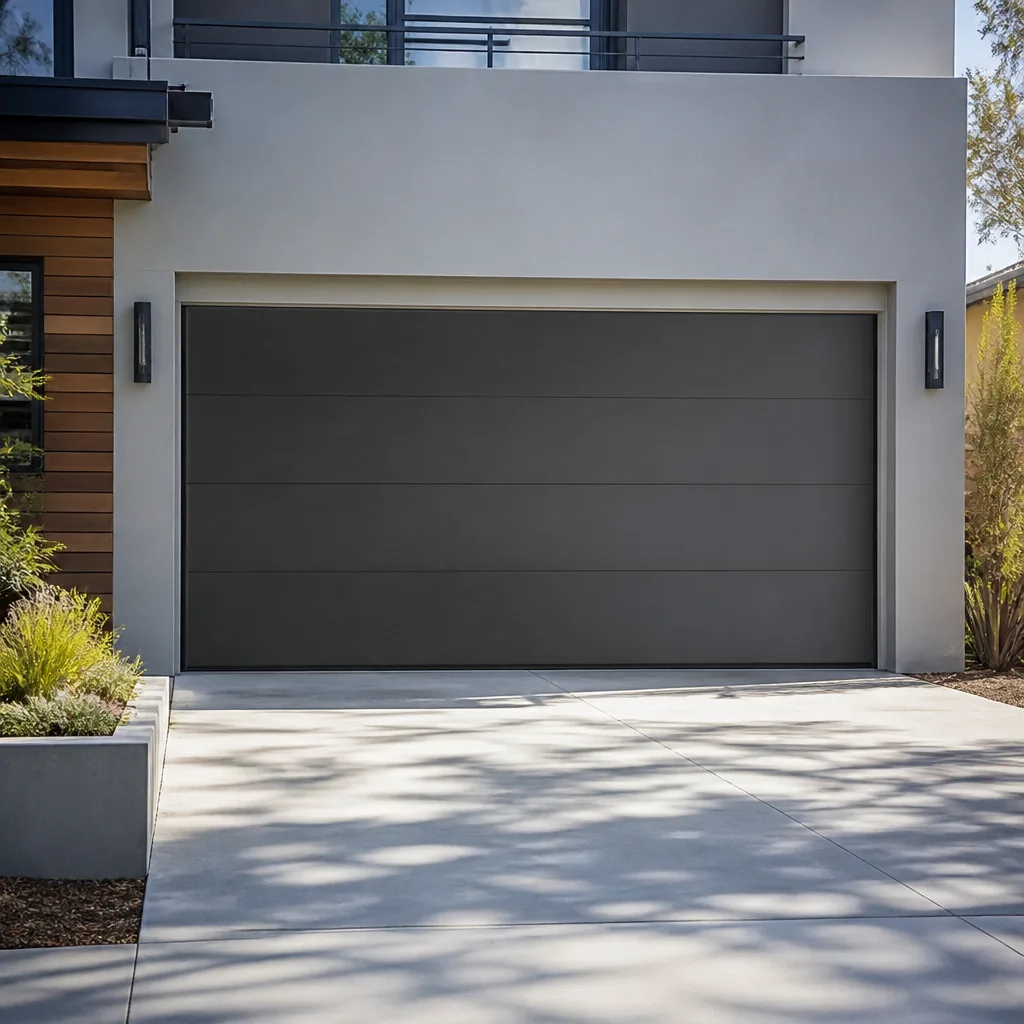 Modern flush
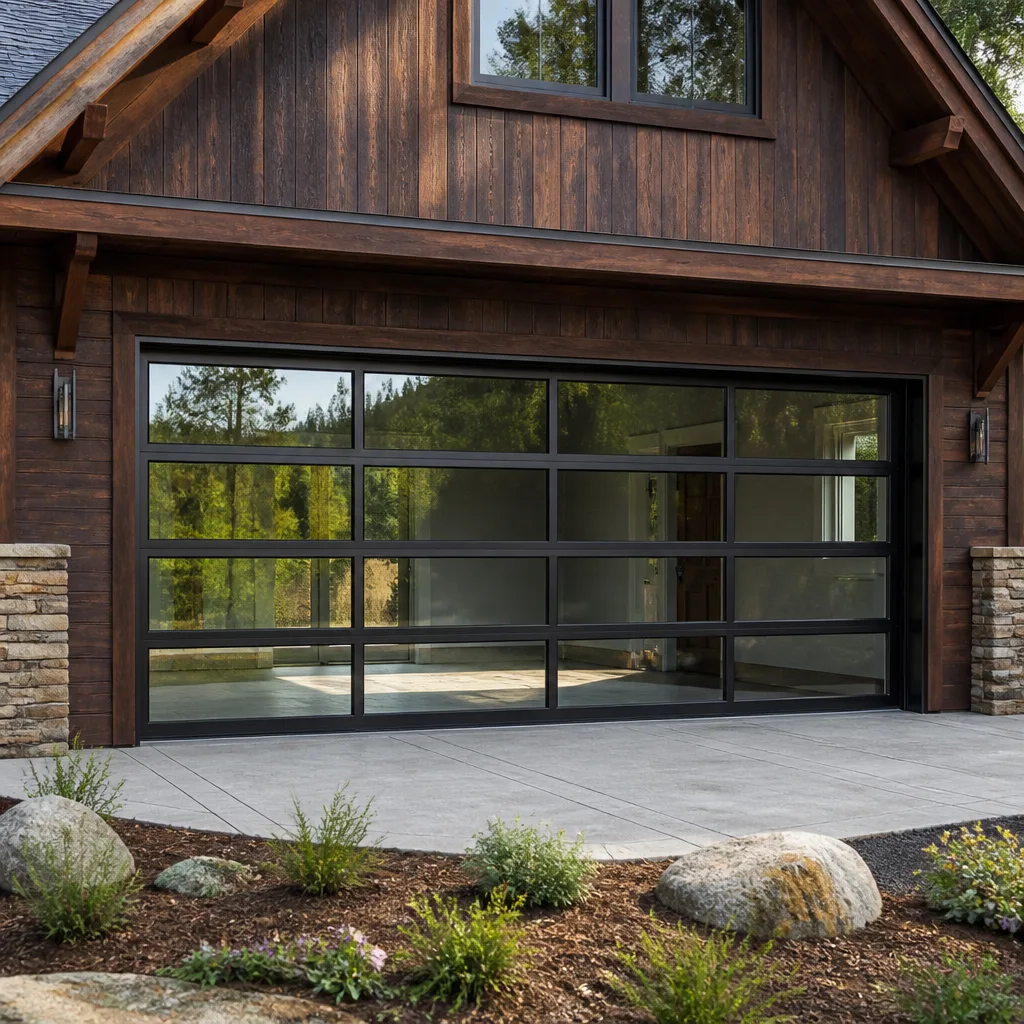 Full-view glass
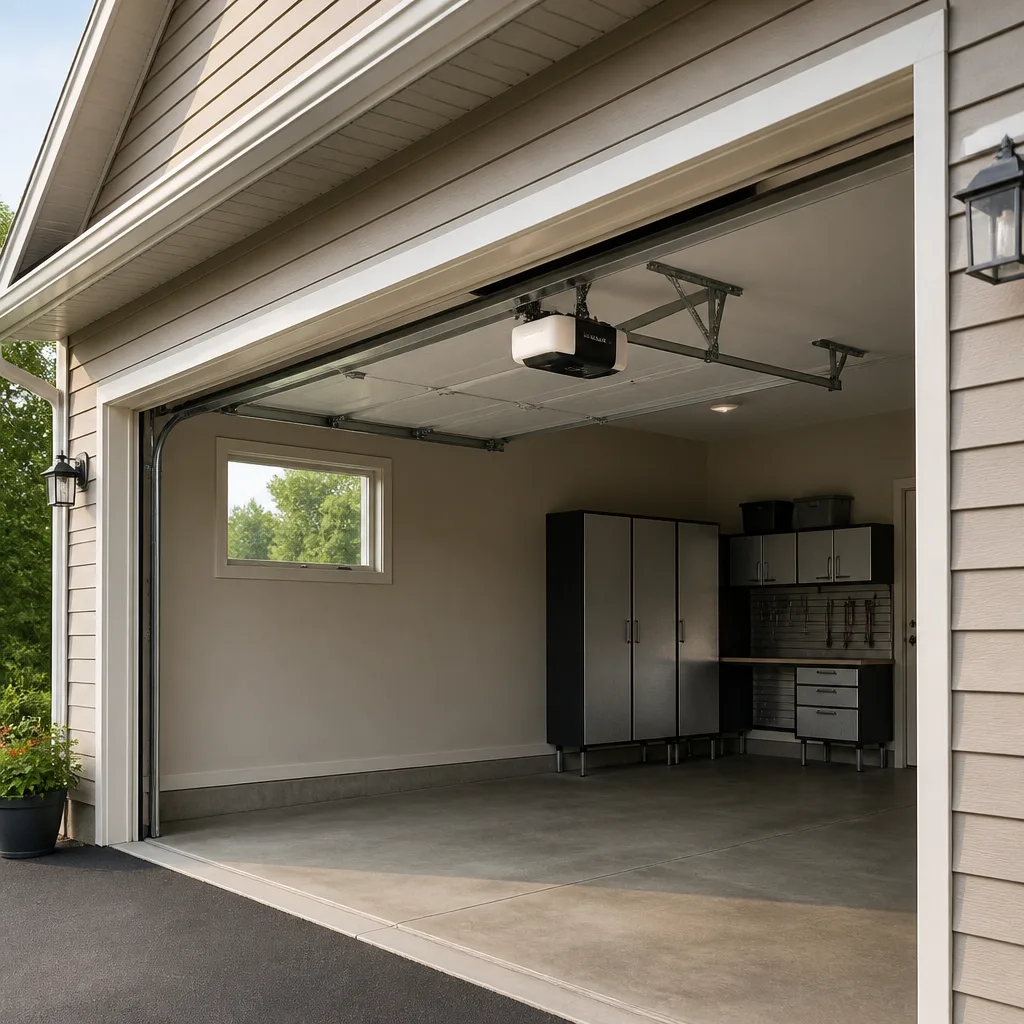 LiftMaster openers
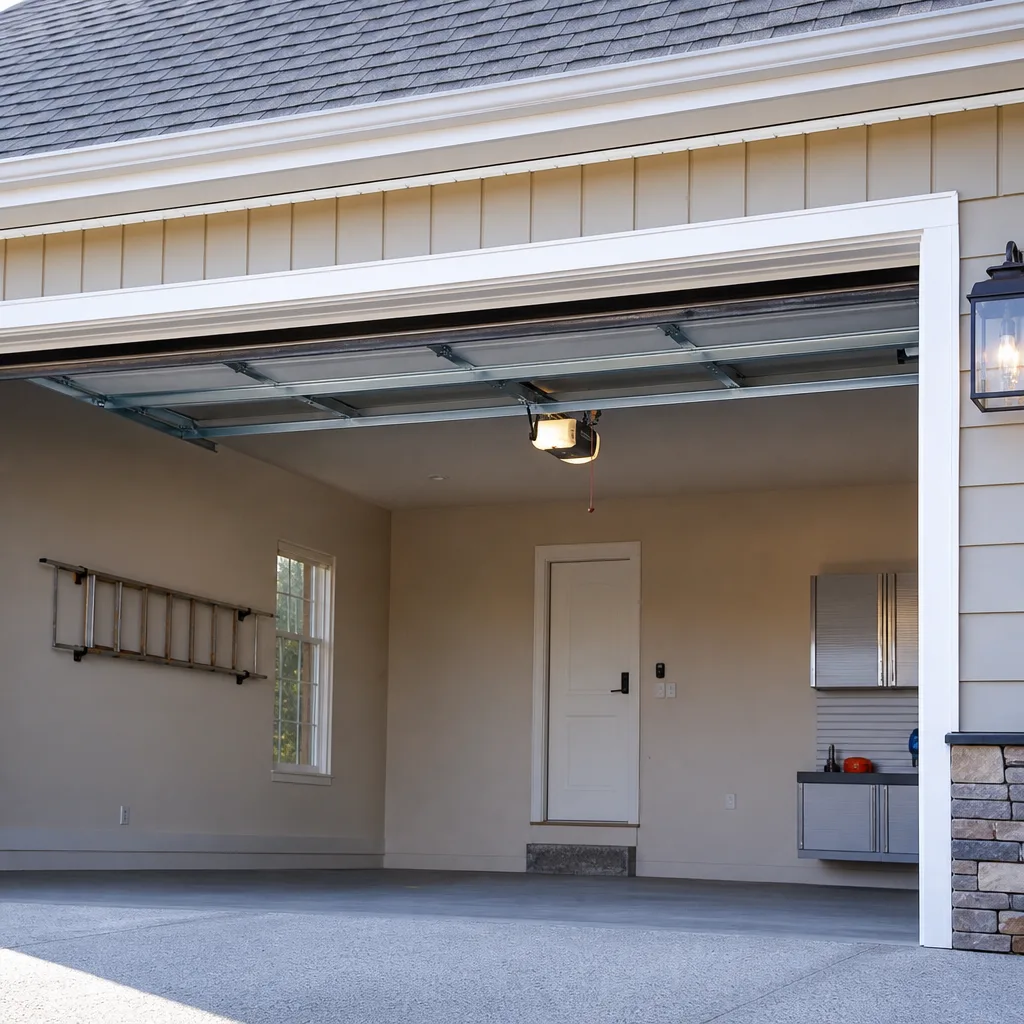 Chamberlain openers
Full 25-point door and opener safety check with every visit - springs, cables, rollers, tracks, and your LiftMaster or Chamberlain opener included
You get a price before we start. It does not change when the truck arrives.
Get your free estimateGarage Door Cost Breakdown: The San Jose Homeowner’s Reference for 2026
Two homeowners in San Jose’s Willow Glen neighborhood had the exact same repair done in the same week last March: a broken torsion spring on a standard 16×7 steel door. One paid $180. The other wrote a check for $540. Same spring. Same labor. Same city. The difference wasn’t the part that came off the truck. It was the way the estimate was built. If you’re trying to budget for a garage door repair in San Jose, the price tag you get depends less on what’s broken and more on how the company in front of you prices the job. This guide breaks down what you’re actually paying for, line by line, so you can compare quotes that look nothing alike and spot the padding before it reaches your invoice. For more guides & resources, visit our blog.
Styles & brands we work with
Quick Answer
Most garage door repairs in San Jose cost between $150 and $350 in 2026, with the most common repair being a torsion spring replacement, typically $180 to $340 parts and labor included. New garage door openers range from $450 to $900 installed, while a full door replacement runs $1,600 to $3,800 depending on size, material, and insulation. The single biggest factor in your final price is not the part itself, it’s how the estimate is structured, which is why identical repairs can vary by a factor of three.
Table of Contents
- How Garage Door Repair Pricing Works in San Jose
- The Three Estimate Structures and How They Affect Your Bill
- 2026 Price Ranges for Common Repairs in San Jose
- What You’re Actually Paying For: Parts vs. Labor, Separated
- What Legitimately Drives Price Variation
- Line Items That Signal Price Inflation
- How to Compare Quotes That Aren’t Structured the Same Way
- Common Mistakes to Avoid
- When to Call a Professional
- Frequently Asked Questions
- The Bottom Line
How Garage Door Repair Pricing Works in San Jose
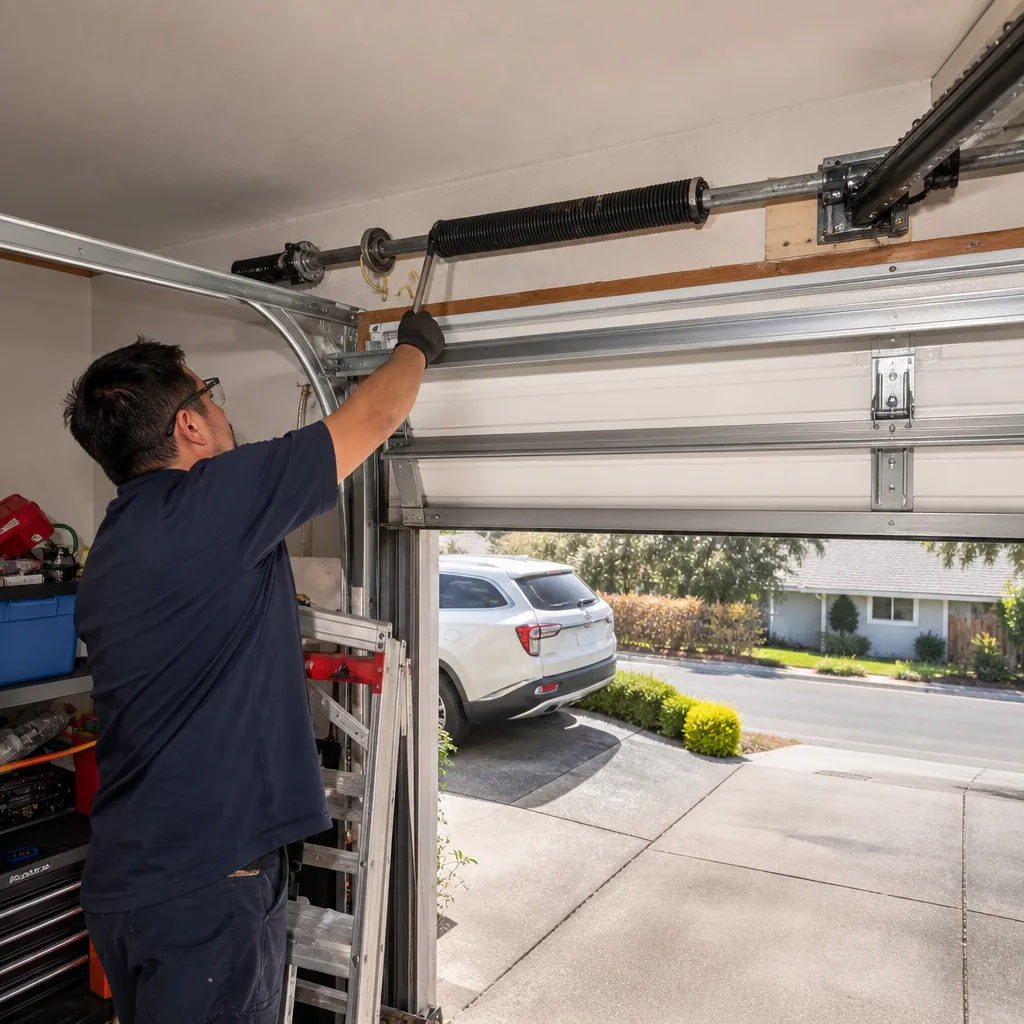
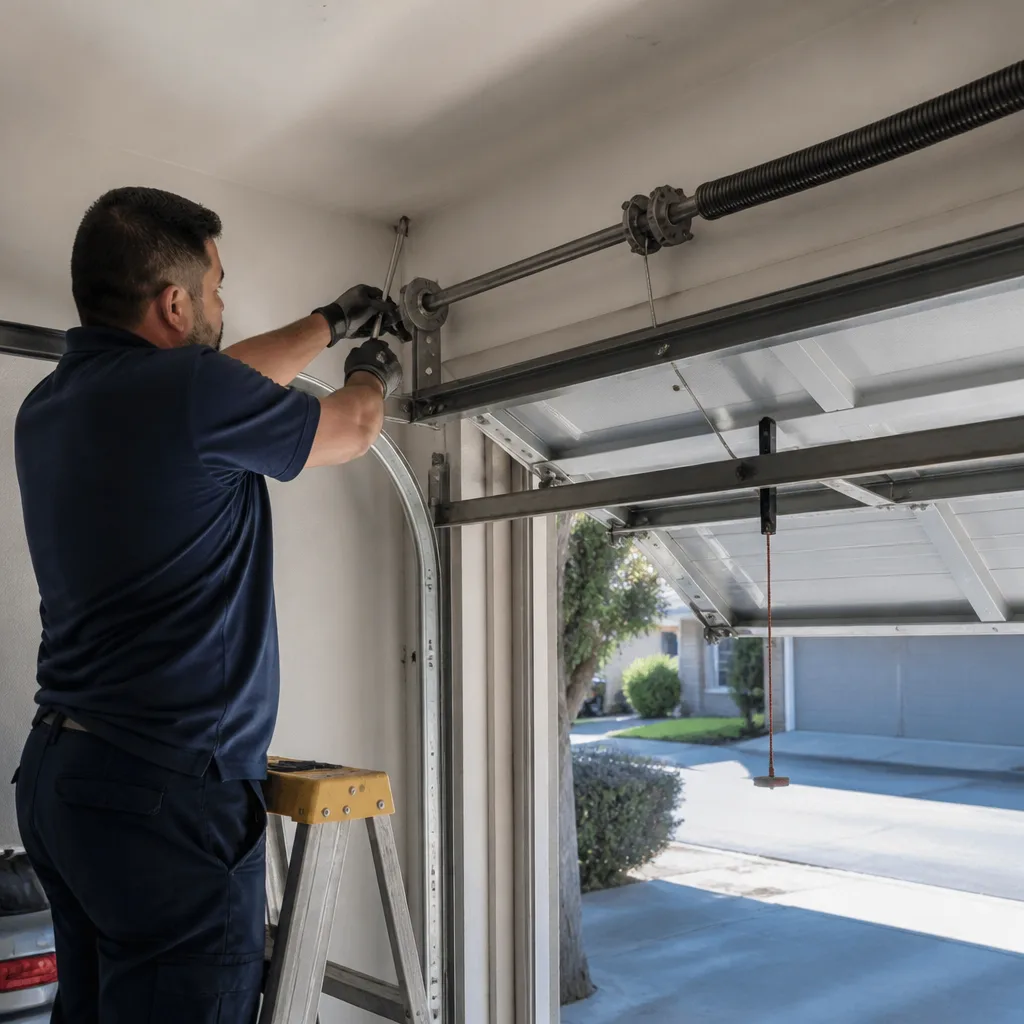
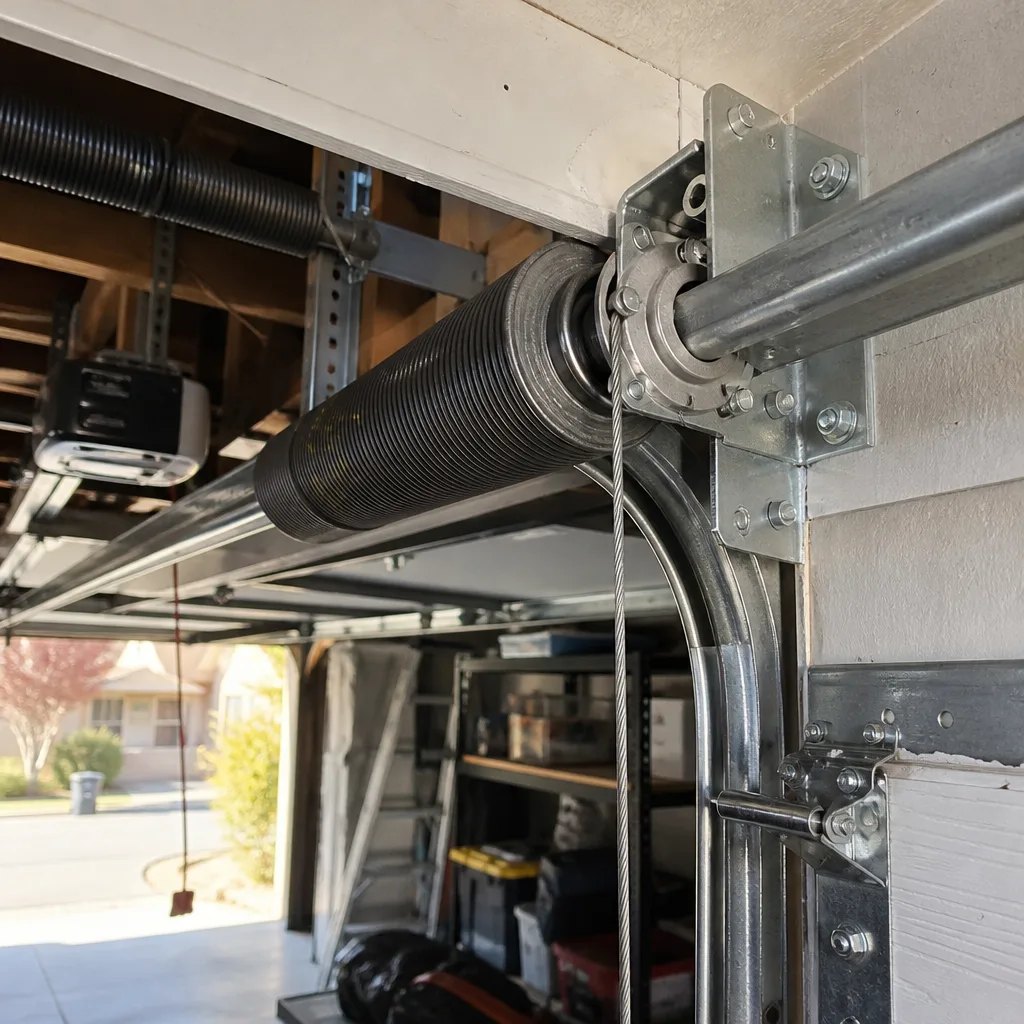
Garage door repair in San Jose has a pricing problem that most homeowners don’t notice until they’re standing in the driveway holding two quotes that are $300 apart. The issue is that parts are cheap and mostly standardized, but labor, markup, and fee structure are completely unstandardized. A torsion spring, the heavy coil mounted above the door that handles most of the lifting weight, costs a technician $30 to $70 at wholesale depending on the wire gauge and cycle rating. What you pay for it depends on how the company accounts for the truck, the technician’s time, the warranty, and their overhead.
San Jose’s market makes this more pronounced because operating costs are high. Technicians drive from job to job across a sprawling city, from Almaden Valley to Berryessa to Evergreen, which means fuel, vehicle maintenance, and time-in-transit all get built into the price. A company running three service calls a day in San Jose has a different cost structure than one running eight calls in a denser market. That’s legitimate. What’s less legitimate is how some companies use that cost structure to obscure what you’re actually paying.
The good news is that garage door repair in San Jose is one of the few home service categories where you can get a precise number before anyone arrives, if you know what to ask. The key is understanding what goes into the number.
The Core Components of Every Repair Bill
- The part itself: spring, cable, roller, hinge, opener motor, circuit board, sensor. Most repair parts are inexpensive at wholesale, but this is where markup lives.
- Labor: typically 45 to 90 minutes for most common repairs, more for opener replacement or panel work. San Jose labor rates for skilled garage door technicians generally run $90 to $150 per hour.
- Trip or service call fee: a flat charge for showing up, usually $50 to $95 in San Jose. In a fair system, this gets credited toward the repair if you approve the work.
- Warranty reserve: the cost of standing behind the work. A company that guarantees a spring for five years is charging more than one that gives 90 days, even if the part is identical on the day of installation.
When you know these four components, a quote stops being a single opaque number and becomes a structure you can evaluate. We’ll break each one down in the sections ahead.
The Three Estimate Structures and How They Affect Your Bill
Most companies in San Jose, and everywhere else, use one of three ways to build a price. Each has different incentive structures baked in, and each produces a different final number for the same repair under different scenarios.
Structure 1: Flat Rate
The technician quotes one number before starting work. The spring is $280. The cable is $190. The opener install is $550. That number includes parts, labor, trip fee, everything. Flat rate is predictable, which is its main advantage. You’ll see this approach at larger franchise operations and at Bramwell Garage Doors San Jose home services, where the Kingswell standard requires a written price before any work begins.
The trade-off is that flat rate can be slightly more expensive on average, because the company is absorbing the risk of a job that runs long. If a spring swap takes 90 minutes instead of 45 because the door is rusted and the drum is stubborn, the company eats the extra labor. To stay profitable, flat-rate prices get set at the high end of average labor time.
Structure 2: Time and Materials
The technician quotes an hourly rate plus parts at a marked-up cost. You see this more often with independent operators and general contractors who do garage door work on the side. The quoted rate might look attractive, $80 an hour, but the final invoice is unknowable until the work is done. If the job runs three hours instead of one, the bill triples.
For a homeowner in San Jose who just wants the door working again, time-and-materials is the riskiest structure. The technician has no incentive to work fast, and every detour to the hardware store goes on your clock.
Structure 3: Trip Fee Plus Parts
The company charges a service call fee, $65 to $95 in most of San Jose, and then prices the parts separately with a markup. The labor itself is technically “free” or bundled into the part markup. This structure can be honest, and the good operators will tell you upfront whether the service fee gets applied to the repair cost if you approve the work. The dishonest operators pocket the trip fee and then hit you with a $280 spring on top of it, effectively double-charging for the same overhead.
Which Structure Should You Prefer?
- For common, predictable repairs like garage door spring repair in San Jose, flat rate is the best deal. The technician knows going in what the job takes, and you know exactly what you’ll pay before the first tool comes out.
- For complex diagnostics, intermittent failures, or unusual door problems, expect a service fee for the diagnosis. Ask upfront whether that fee is credited toward the repair if you approve the work.
- Avoid time-and-materials pricing for anything short of a full custom installation. There is too much room for the invoice to grow.
2026 Price Ranges for Common Repairs in San Jose
Here are the numbers San Jose homeowners should expect to see in 2026 for the most common garage door repairs. These ranges reflect what we see across the South Bay market, from Blossom Valley to North San Jose, and they assume a standard residential door between 8 and 16 feet wide.
| Repair Type | Parts Cost Range | Labor Range | Total You Should Expect |
|---|---|---|---|
| Torsion spring replacement | $40 to $110 | $120 to $230 | $160 to $340 |
| Extension spring replacement | $30 to $80 | $100 to $160 | $130 to $240 |
| Cable replacement (pair) | $20 to $60 | $110 to $180 | $130 to $240 |
| Roller replacement (set of 10-12) | $30 to $90 | $80 to $140 | $110 to $230 |
| Panel replacement (single section) | $180 to $420 | $100 to $200 | $280 to $620 |
| Opener replacement (motor unit) | $280 to $520 | $170 to $380 | $450 to $900 |
| Full door replacement (standard steel) | $900 to $2,400 | $700 to $1,400 | $1,600 to $3,800 |
Panel replacement deserves a note. If a contractor backs into your garage door in San Jose, the cost to replace one bottom panel ranges from $280 to $620, but there’s a catch. The color and stamp pattern of a seven-year-old door won’t match a brand-new panel exactly, and older door models may not have replacement panels available at all. In that case you’re looking at a full garage door installation in San Jose, which starts around $1,600 and goes up from there.
What You’re Actually Paying For: Parts vs. Labor, Separated
When Mark Ellery, owner of Bramwell Garage Doors San Jose, walks a homeowner through a quote, he separates the job into the same parts and labor breakdown you saw in the table above. The reason is simple: when parts and labor are separate line items, you can see where the money goes. When they’re bundled, you can’t.
Parts: The Small Numbers That Matter
A torsion spring is a hunk of coiled steel with a wire diameter between .207 and .295 inch, depending on the door’s weight. The wholesale price difference between a cheap spring and a good one might be $15. The retail difference on an invoice can be $80 or more. Here’s what we pay attention to in San Jose specifically:
- Spring cycle rating: Springs are rated in cycles, one cycle being a full open and close. A 10,000-cycle spring is standard quality. A 30,000-cycle spring, often a brand like Raynor or high-end OEM, costs maybe $25 more but lasts three times as long. San Jose’s mild climate doesn’t rust springs as fast as coastal areas like Santa Cruz, but the constant temperature swings between warm days and cool nights do contribute to metal fatigue over time.
- Brand-name vs. aftermarket: A Genie opener logic board costs more than a generic equivalent, but it fits properly and carries a manufacturer warranty. Aftermarket circuit boards are a common source of repeat failures we see in San Jose homes.
- Hardware bundles: When we replace a spring, we replace the drums, cables, and bearings at the same time if they show wear. That’s not padding, it’s because a new spring on old hardware is a failure waiting to happen. The parts cost for the extras might be $15 to $30 more, and it’s the difference between a repair that lasts one year and one that lasts five.
Labor: San Jose Rates Are Higher, and That’s Legitimate
San Jose is one of the most expensive labor markets in the country. A background-checked, uniformed technician with the training to safely handle high-tension springs and properly tension a door makes $30 to $45 per hour in wages. With benefits, workers’ compensation, vehicle, fuel, and insurance, the loaded cost to the company is $75 to $100 per hour. Add profit margin and you’re at an honest billing rate of $90 to $150 per hour.
When you see a San Jose garage door repair ad offering spring replacement for $89 total, you should be skeptical-our Garage Door Warning Signs: A San Jose Homeowner’s Reference Guide explains other red flags to watch for. At that price, the tech is either cutting corners on parts quality, skipping the safety checks, or planning to find more wrong with your door once they arrive. A $180 to $340 spring replacement is honest pricing. A $540 spring replacement is the same job with a problematic markup, unless the door is unusually heavy or the spring is a specialty model.
What Legitimately Drives Price Variation
Not all price differences are a ripoff. San Jose has a wide range of housing stock, from 1960s ranch houses in Cambrian to new construction in North San Jose, and the garage doors on those houses vary enormously in weight, size, and condition. Here’s what legitimately changes the price of a repair.
Door Weight and Size
A 16×7 steel door weighs between 150 and 250 pounds. A 16×8 wood door can weigh twice that. The heavier the door, the bigger the spring, the stronger the cable, and the longer the labor. If your San Jose home has a custom carriage-house door, a spring replacement on it will cost more than the same job on a standard steel door next door. That’s not markup, that’s physics.
Single Spring vs. Double Spring Systems
Doors with torque springs mounted on both sides (a double spring system) cost more to repair because both springs should be replaced at the same time, even if only one broke. They wear at the same rate, and replacing just one leaves you back in the driveway with a broken spring six months later. Double spring systems are more common on wider doors, 16 feet and up, though some 8-foot doors use them too.
Brand-Name vs. Aftermarket Parts
Chamberlain and Genie opener parts cost more than generic equivalents because the manufacturers maintain quality standards and provide warranty coverage. A generic limit switch for a LiftMaster opener might cost $12 wholesale, while the OEM part is $28. The OEM part fits correctly the first time. When Mark Ellery talks to a San Jose homeowner about a failed opener, he’ll recommend OEM parts for electrical components and is more flexible on mechanical parts, which are less sensitive to tolerances.
Door Condition
In older San Jose neighborhoods like Rose Garden or Naglee Park, doors may be 30 years old with rusted tracks, seized bearings, and wood frames that have shifted. A spring replacement on a well-maintained door is a 45-minute job. On a neglected door, the technician may need to free stuck hardware, bend a track back into alignment, or adjust the opener limits. That’s an extra 30 to 60 minutes of labor. The right thing to do is flag it before starting, which is exactly what the upfront pricing standard at Bramwell requires.
Line Items That Signal Price Inflation
Now for the part San Jose homeowners need most: recognizing when a quote is inflated. Here are the specific line items that should make you ask questions.
- Service call fees over $100 that aren’t credited toward the repair: A $95 service call fee is at the top of the San Jose market. If the company charges $95 to show up and then doesn’t apply it to the repair, you’re paying twice for the same overhead. Bramwell’s garage door repair in San Jose service pattern includes a transparent trip charge that is credited to the work if you approve it.
- Parts marked up beyond 40% of retail: A spring that retails for $60 should not appear on an invoice at $180. Some markup is fair, the company has to buy the part, stock it, and get it to your door. But more than about 40% over retail means the company is hiding labor costs in the part price, which makes it hard for you to evaluate the quote.
- Vague “labor adjustment” or “shop fee” charges: These are catch-all fees that should have been in the quote. If you see one, ask what it covers. If the answer is vague, ask for an itemized breakdown or walk away.
- Pressure to replace a door when a repair would work: Some operators make more margin on new door installations than on repairs, which creates an incentive to recommend replacement prematurely. A door with a broken spring, a bent panel, or a noisy roller track is usually repairable. Only when the door itself is rusted through, structurally compromised, or 25-plus years old with no available replacement panels does replacement make financial sense.
How to Compare Quotes That Aren’t Structured the Same Way
Here’s the scenario: One company quotes you $260 flat for a spring replacement. Another quotes $75 service fee plus $55 per hour plus $48 for the spring. A third quotes $310 with “everything included.” Which is best? The way to normalize them is to build a simple model, and this five-step approach will work for most common repairs.
- Ask each company what the total will be if the job goes as expected. If they won’t give you a number, that’s a red flag. The Kingswell standard at Bramwell is that the price is written before any work starts, and the number on the invoice matches the number you heard.
- Ask each company what the total will be if the job runs long. This is where the estimate structures diverge. A flat-rate company will say the number doesn’t change. A time-and-materials company will tell you the hourly rate. That’s the risk you’re taking.
- Ask what the warranty covers and for how long. A $260 flat-rate spring replacement with a one-year parts-and-labor warranty is a better value than a $220 time-and-materials job with a 90-day parts-only warranty. Warranty is part of the price.
- Ask whether the technician will do a full safety check on the entire door system. A good repair includes testing the door balance, checking the safety reverse, lubricating the rollers and hinges, and tightening all hardware. If the cheap quote skips these steps, you’re not comparing apples to apples.
- Trust your read of the phone call. A live person who asks about your door, your opener, and the symptoms before quoting is doing real diagnostic work. A voicemail tree that eventually gets you a call center is a sign the person quoting your job has never touched a spring tension wrench.
Common Mistakes to Avoid
- Accepting a quote without knowing whether the service fee is credited. In San Jose, $75 to $95 for a trip is standard, but it should be applied to the repair if you approve the work. If it’s not, the company is double-dipping on overhead.
- Replacing only one spring on a double-spring door. Both springs wear at the same rate. Replacing only the broken one means the older spring will fail soon, and you’ll pay for a second service call. Any honest San Jose technician will recommend replacing both at once.
- Buying the cheapest quote without checking the warranty. A $190 spring replacement with a 30-day warranty is more expensive than a $260 spring replacement backed by a written one-year guarantee. You’re not buying a spring, you’re buying a working door, and the guarantee is how you hold the company accountable.
- Trying to replace a torsion spring yourself. Torsion springs are under enough tension to cause serious injury or death. This is not a YouTube DIY job. A professional has the winding bars, the experience, and the safety training.
- Ignoring the safety check. The repair is more than just the broken spring. The safety reverse, which stops the door if something is underneath, should be tested on every visit. In San Jose, where many garages double as play spaces and home gyms, this matters more than most homeowners think.
- Paying for a new door when a repair would do. A bent lower panel can be replaced for a few hundred dollars. A door that’s structurally fine but noisy just needs rollers, hinges, and lubrication. Replacement should be a last resort, not an upsell.
When to Call a Professional
Some jobs, like a loose hinge or a cluttered photo eye sensor, are genuinely simple and a homeowner in San Jose can handle them in ten minutes-see our Garage Door Repair Maintenance Checklist for San Jose Homeowners for safe seasonal tasks. But the list of safe DIY garage door repairs is short. Broken torsion springs. Off-track doors. Frayed lift cables. Any opener wiring issue. All of these require a trained professional, and the best in the field will tell you not to touch them yourself. Mark Ellery and the Bramwell team have seen too many ladder accidents and hand injuries from do-it-yourself spring work to recommend it. If the door is off its tracks, the spring is in two pieces, or the cables are dangling, leave the door closed and call (669) 444-4253. Bramwell Garage Doors San Jose offers free estimates across San Jose, and a background-checked, uniformed technician will arrive with a written price in hand before any work starts.
Frequently Asked Questions
A torsion spring replacement in San Jose most commonly costs between $180 and $340 parts and labor, with the exact price depending on door weight, spring cycle rating, and whether the door has a single or double spring system. Call (669) 444-4253 to get an exact quote for your door model.
Yes, most common repairs like spring replacement, cable repair, or roller swaps are done in a single visit. Bramwell technicians arrive with the common parts and tools on the truck, and we schedule morning appointments with a real arrival window so you’re not waiting around all day.
The difference is estimate structure. A flat-rate honest company spends the same labor time and uses the same spring as the service-fee-plus-parts operator who is stacking fees. Ask every company for a written price before work starts, and ask whether the service fee is credited toward the repair.
At Bramwell, the written price you’re given before work starts is the price on the invoice, period. If the technician finds something additional, like a worn cable or seized bearing, that gets quoted as a separate written addition before any further work happens. No surprise charges at the end.
Yes. The most common repair parts including torsion springs in a range of wire gauges, cables, rollers, hinges, and opener components are stocked on Bramwell trucks. That means one visit for most repairs instead of a follow-up.
A standard 10,000-cycle spring on an average San Jose home, where the door cycles 3 to 4 times a day, should last 7 to 9 years. Higher-cycle springs rated at 30,000 cycles can last 20 years or more and cost only slightly more, which is why Mark Ellery recommends them for most San Jose homes. Call (669) 444-4253 to ask about upgraded springs for your specific door.
The Bottom Line
The $180 versus $540 spring replacement story isn’t a fluke. It’s the direct result of how garage door repair pricing works in San Jose, and now you know how to decode it. Ask for a written price before work starts. Ask whether the service fee is credited. Ask about the warranty and what it covers. When you compare quotes, normalize them using the five-step framework above. The goal isn’t the cheapest spring, it’s the best value repair, which is why Bramwell Garage Doors San Jose prices every job the Kingswell way: a written line-item quote, a real arrival window, a clean job site, and a written 365-Day Done Right Promise on every repair. Call (669) 444-4253 for a free estimate, and a live person will answer, 24 hours a day.
Written by Marcus Ellery, Owner at Bramwell Garage Doors San Jose, serving San Jose since 2001.
See the difference
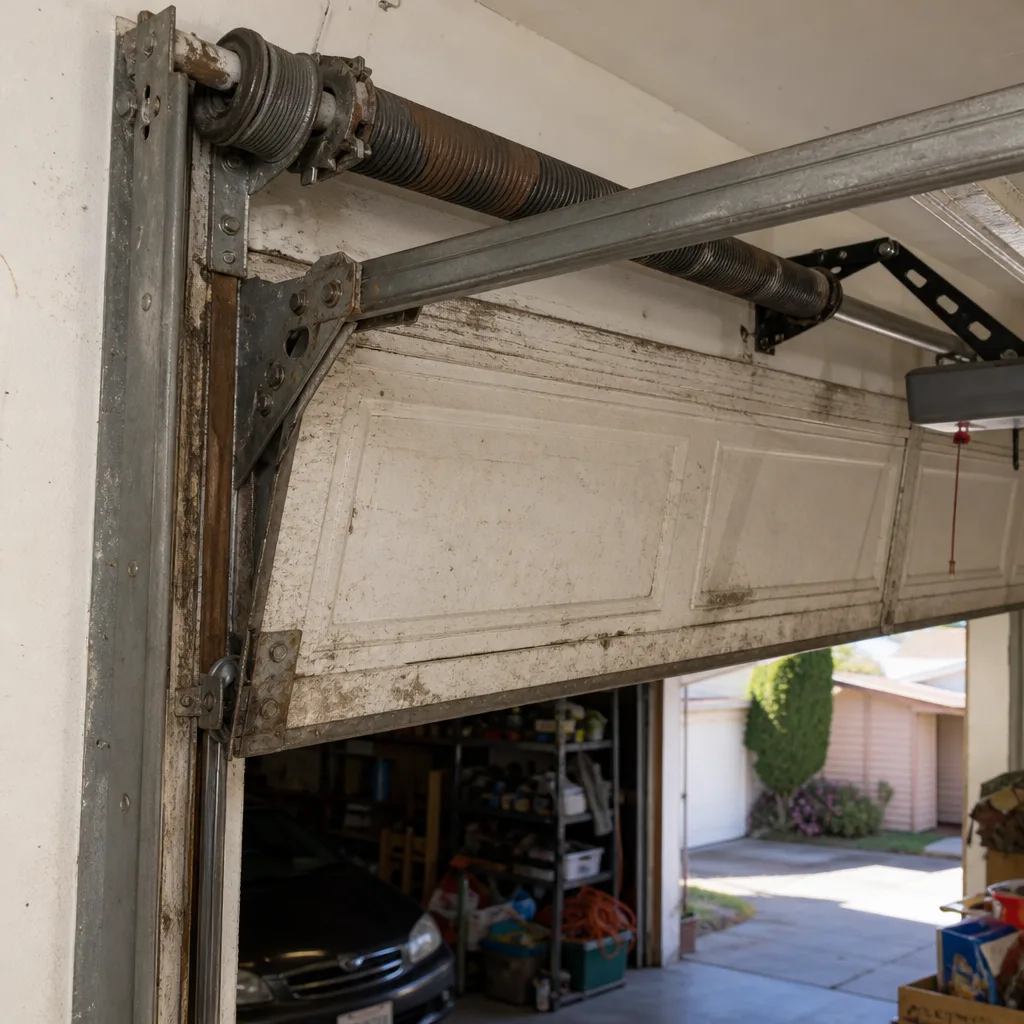 Before
 After
After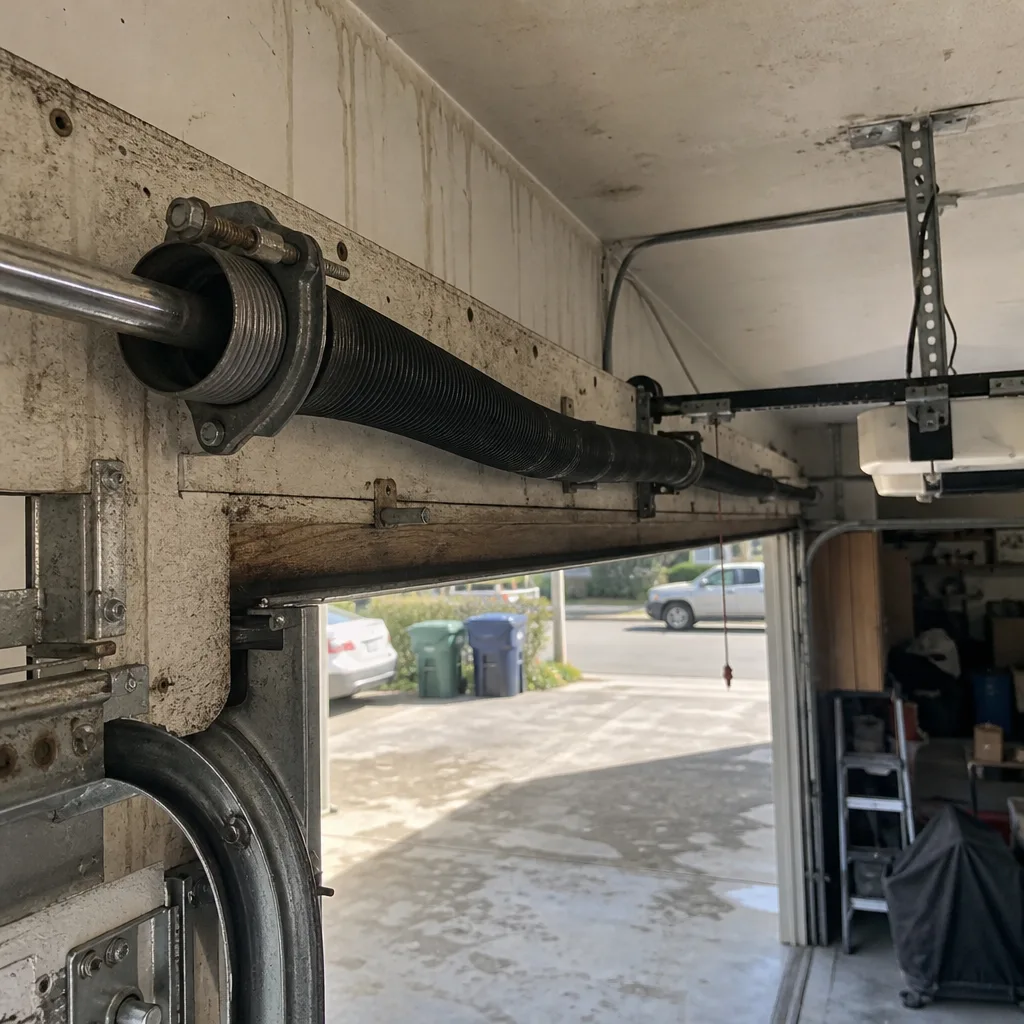 Before
 After
After Before
 After
After