
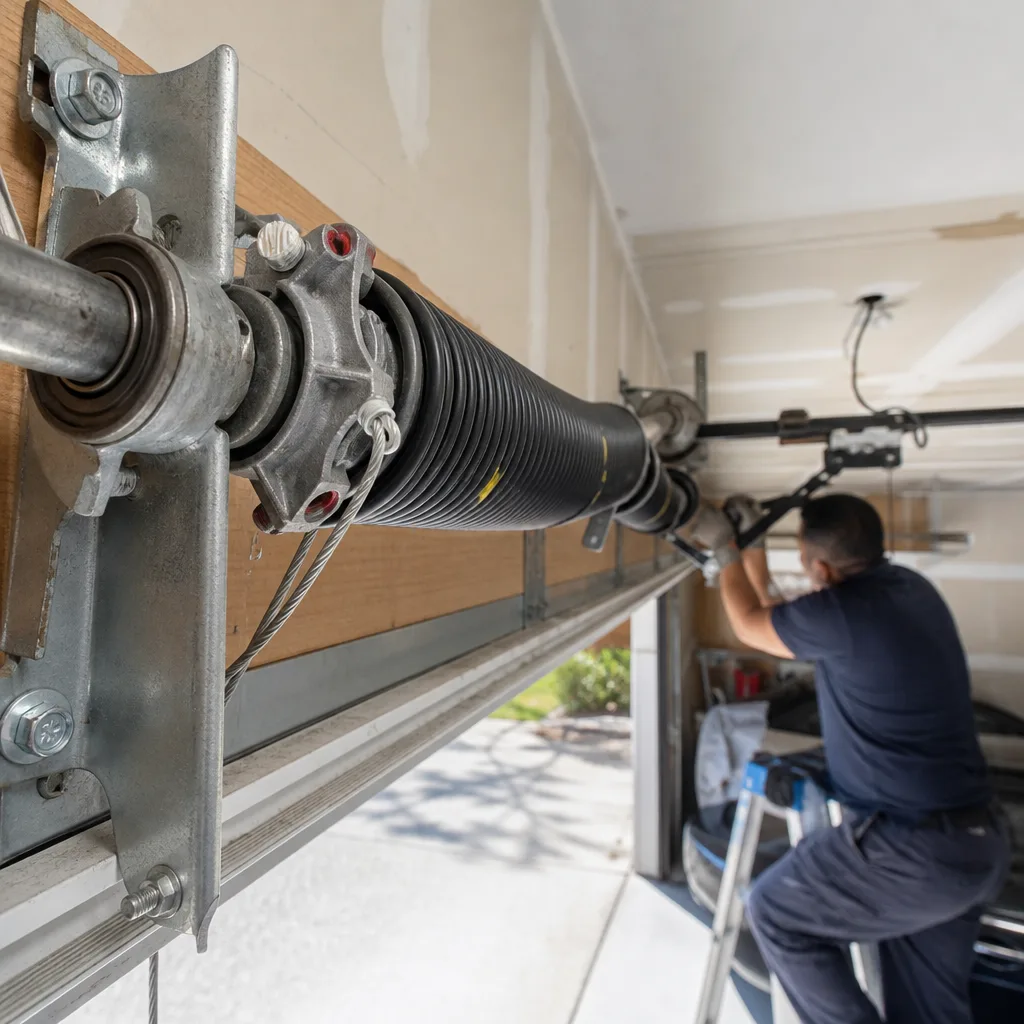
Last updated October 16, 2026
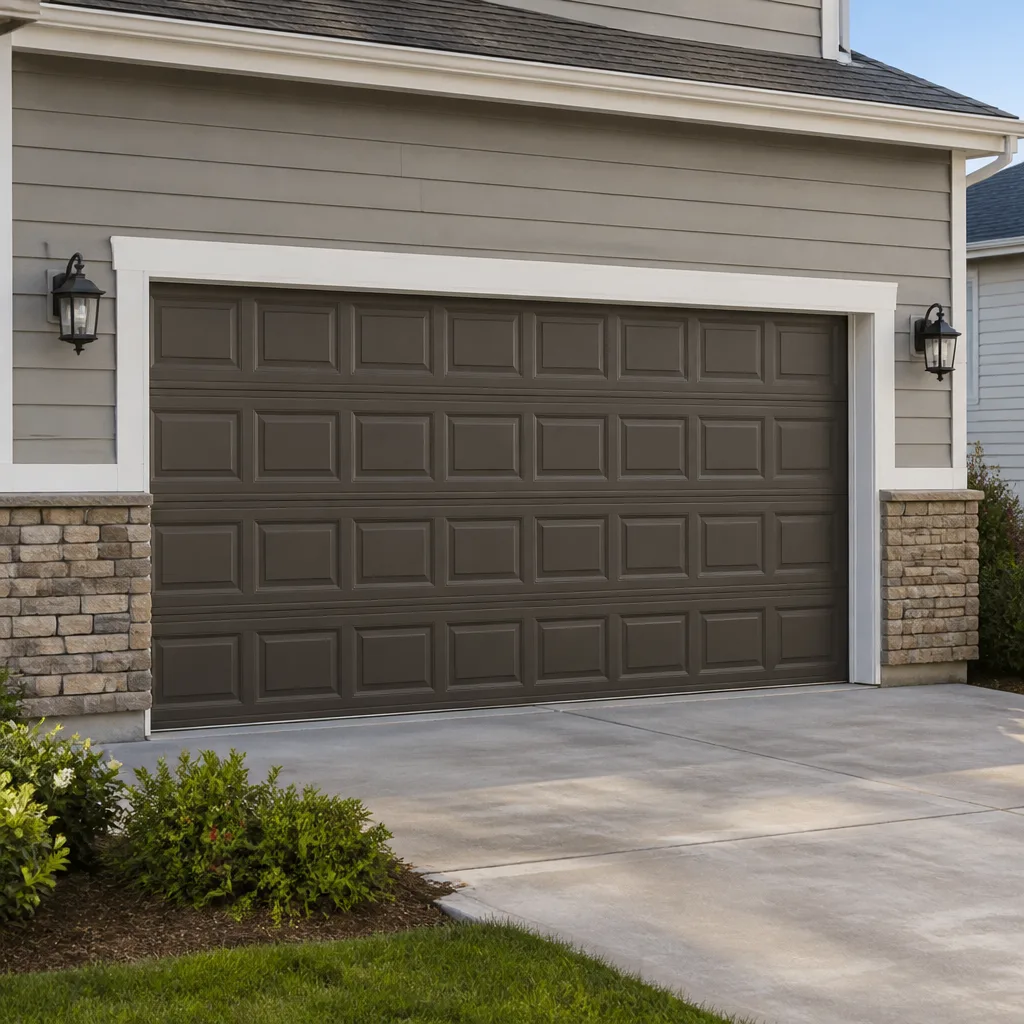 Raised-panel steel
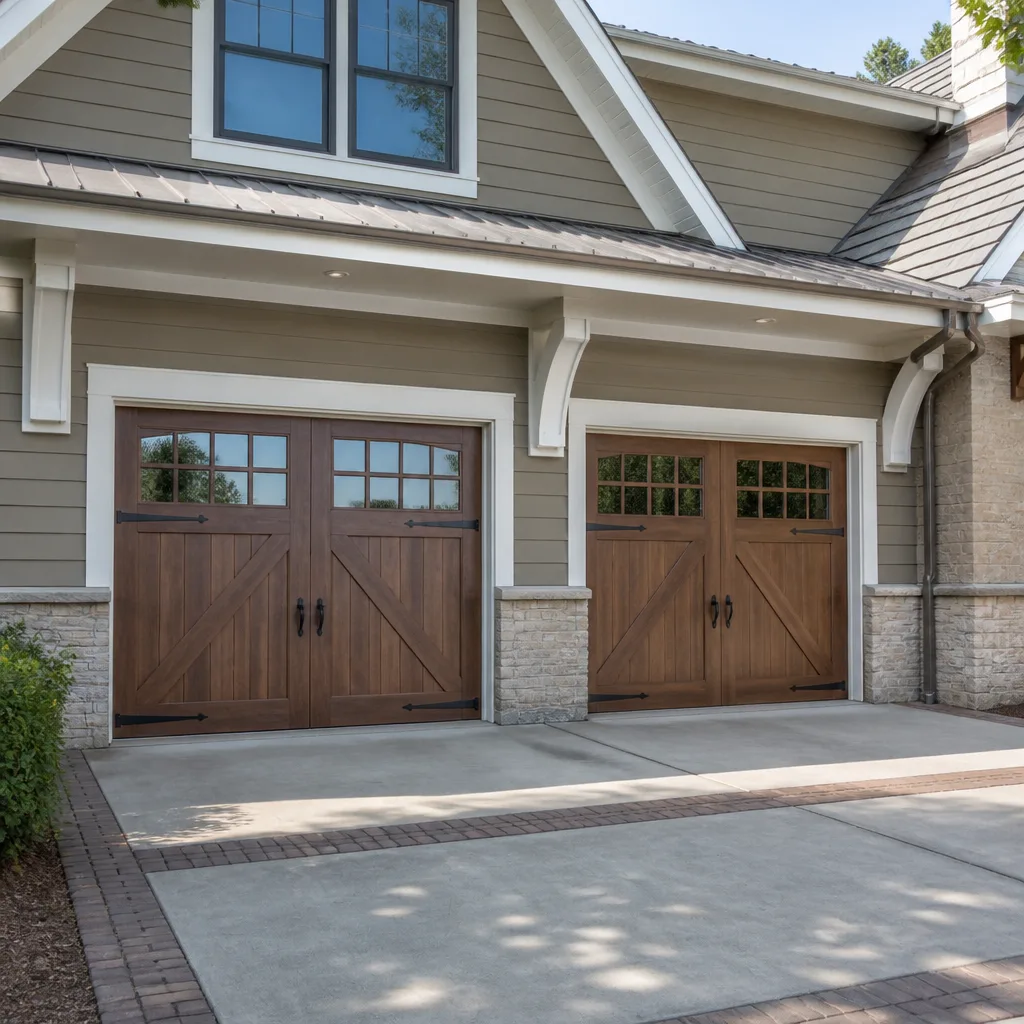 Carriage house
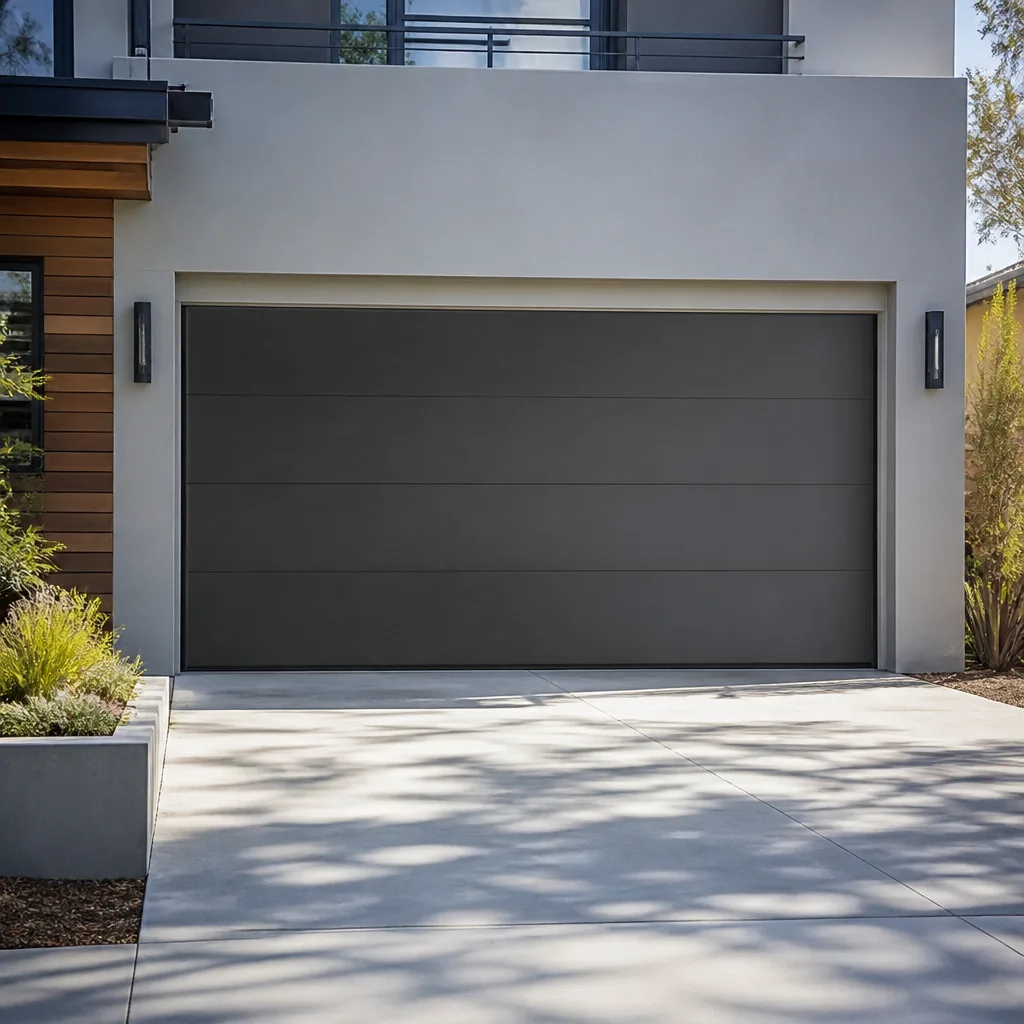 Modern flush
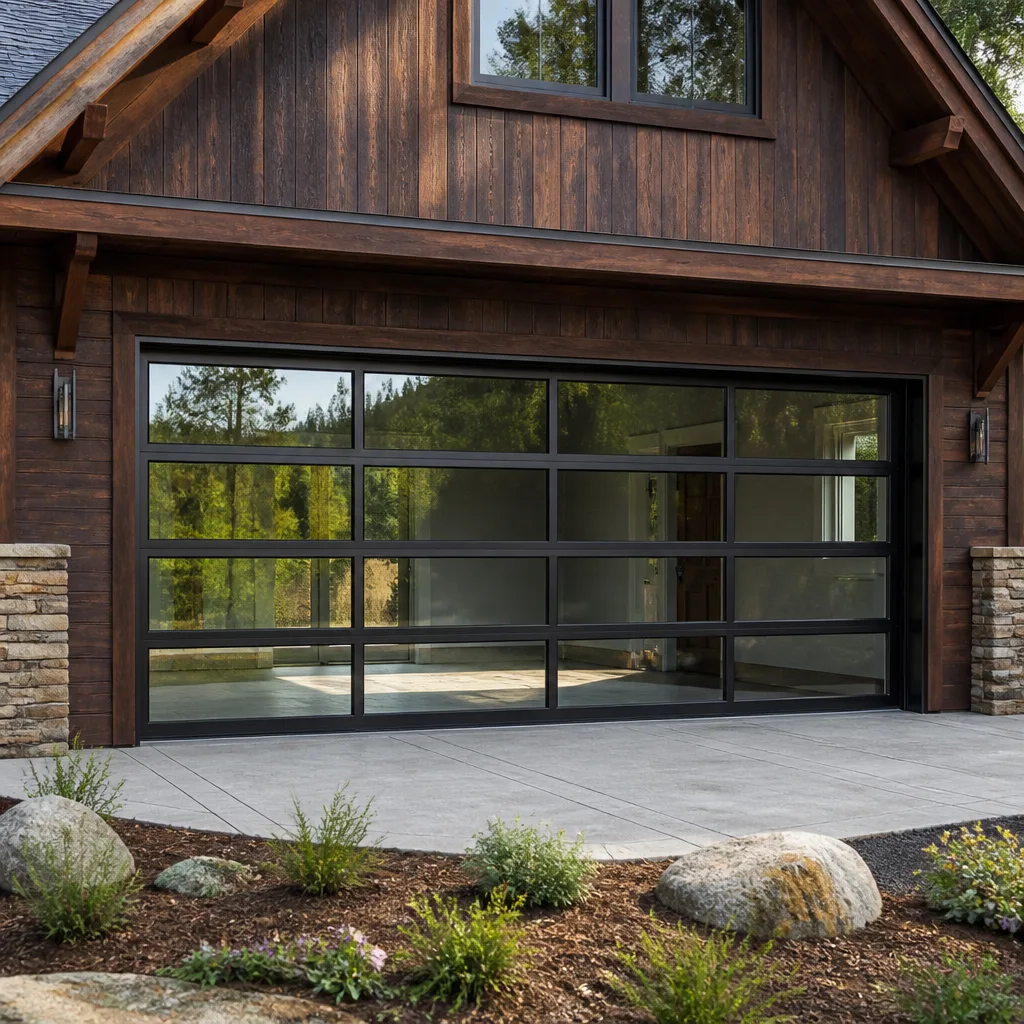 Full-view glass
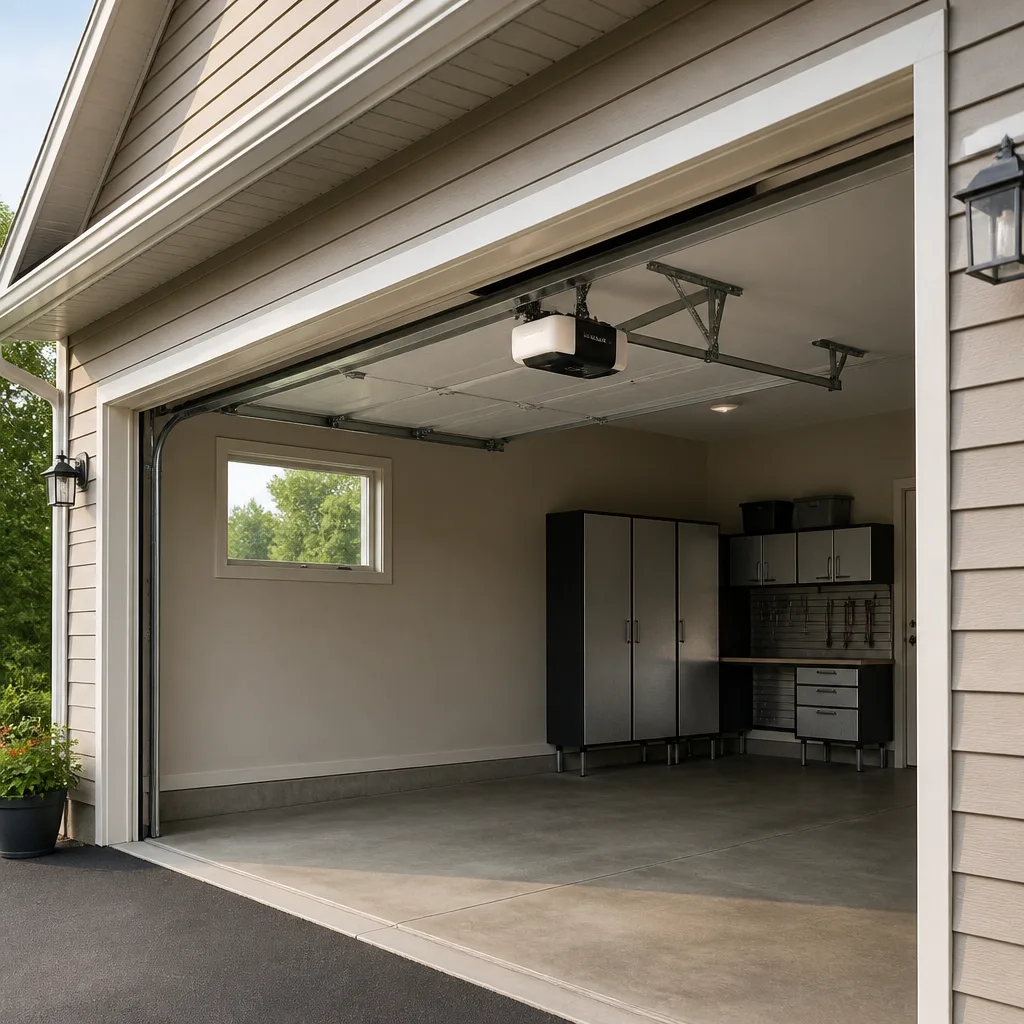 LiftMaster openers
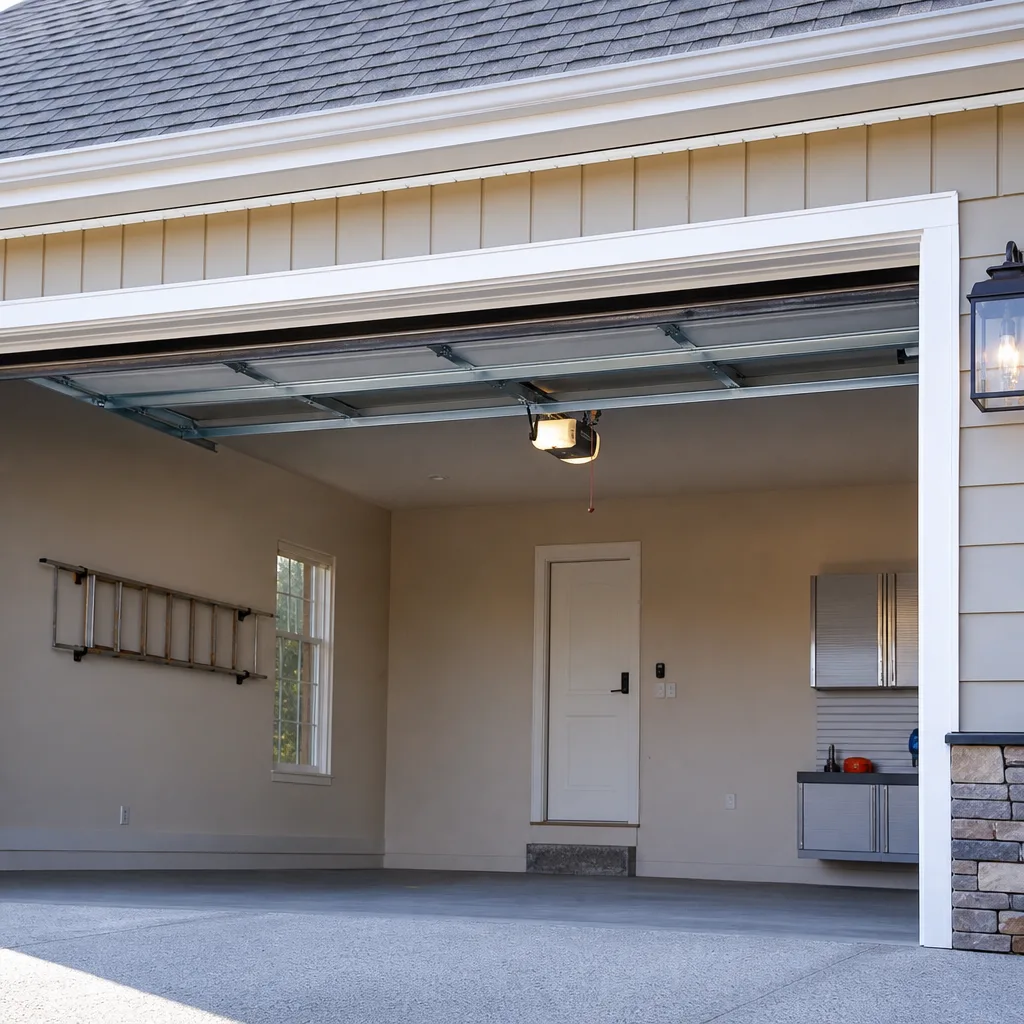 Chamberlain openers
Full 25-point door and opener safety check with every visit - springs, cables, rollers, tracks, and your LiftMaster or Chamberlain opener included
You get a price before we start. It does not change when the truck arrives.
Get your free estimateGarage Door Permits, Codes & Inspections in CA: What You Need to Know
A garage door replacement flagged during a home sale inspection, because no permit was pulled, can delay closing or force a retroactive inspection that costs more than the permit itself. In San Jose’s competitive housing market, that kind of delay can mean losing a buyer. Most homeowners assume a door swap is a like-for-like replacement that needs no paperwork at all. That assumption is wrong, and it’s expensive. This guide walks through exactly when California requires a permit for garage door work, what Title 24 energy rules change about your door options, what a San Jose inspection actually looks like, and how to make sure the contractor on your job isn’t skipping a step that costs you later.
Styles & brands we work with
Quick Answer
You need a garage door permit in California when the work involves structural changes to the opening, new electrical wiring for an opener that wasn’t there before, or replacing a door that sits on a fire-rated wall. A simple swap of the door panels themselves, with no structural or electrical changes, does not require a permit in most California cities including San Jose. However, San Jose’s Development Services Department can require a plan check or over-the-counter permit depending on the scope, and Title 24 energy standards affect which replacement doors are legal on conditioned garages.
Table of Contents
- When California Requires a Garage Door Permit
- San Jose Municipal Code & Where to Apply
- Title 24 Energy Rules for Garage Doors in California
- What a Garage Door Inspection Covers
- Who Pulls the Permit & Who Is Liable
- What Permits and Inspections Cost in San Jose
- Common Mistakes to Avoid
- When to Call a Professional
- Frequently Asked Questions
- The Bottom Line
When California Requires a Garage Door Permit
California law doesn’t have a single statewide rule that says every garage door replacement needs a permit. The trigger depends on what the work involves. The California Building Code, which every city in the state adopts with local amendments, requires a building permit when you change the structure of a building. That word, structure, is where most confusion starts. Swapping out garage door panels on an existing track system usually isn’t structural. Widening the opening, adding a second door where there wasn’t one, or reinforcing the header beam above the door is structural, and that work needs a permit, engineering review, and an inspection.
Here’s the practical breakdown. You need a permit in California when any of these are true:
- The opening itself changes. Enlarging the rough opening, moving the door to a different wall, or converting a window into a door. This is structural work, full stop.
- New electrical is installed for an opener. If the garage has never had an opener and an electrician runs a new circuit or adds a receptacle, that’s an electrical permit. The door itself doesn’t need a permit, but the wiring does.
- The wall is fire-rated. Garages attached to living spaces in California are typically separated by a fire-rated wall, often with 1/2-inch gypsum board. Replacing a door that penetrates that wall, or changing its frame, can require a permit to verify the fire rating is preserved.
- The door is on a conditioned space. If the garage is heated or cooled as part of the home’s HVAC system, Title 24 energy standards apply, and a replacement door may need to meet insulation requirements. More on that below.
A straightforward replacement of panels, springs, tracks, or rollers on an existing opening does not require a permit in San Jose or most other California cities. That’s the work Bramwell does most often. The permit conversation usually comes up when a homeowner decides to change the opening size, move the door, or run electrical for a smart opener in a garage that never had one.
San Jose Municipal Code & Where to Apply
San Jose adopts the California Building Code with local amendments through its Development Services Department. The city’s process for garage door work is straightforward but specific. For a simple door panel replacement with no structural changes, no permit is needed. For anything that touches the structure, the electrical system, or a fire-rated assembly, you or your contractor files with the city.
The city offers two paths, and the path matters because it changes the timeline and the cost. In our experience working with San Jose homeowners, here’s what to expect:
- Over-the-counter permit. For simple jobs like replacing a fire-rated door on an existing opening or adding a dedicated circuit for an opener, the permit can often be issued the same day. No plan check is required. You walk in, file the application, pay the fee, and walk out with the permit. The city’s inspectors then review the work at the scheduled inspection.
- Plan check. For structural changes, widening openings, adding doors, or anything involving engineering, the city requires a plan check. This means drawings, possibly a structural engineer’s stamp, and a review period that can take two to six weeks depending on workload. This is not a same-day process, and contractors who promise it is are not being straight with you.
The San Jose Development Services Department is located at City Hall on Santa Clara Street. Many permit applications can now be submitted online through the city’s SJ Permits portal, which handles scheduling, fee payment, and inspection requests. If you’re unsure whether your project needs a plan check, the city offers a pre-application consultation, and most experienced San Jose garage door contractors can tell you in five minutes which path your job falls under.
Title 24 Energy Rules for Garage Doors in California
California’s Title 24 building energy standards are the strictest in the country, and they don’t ignore the garage. The question that matters for homeowners is whether the garage is conditioned space. A standard unconditioned garage, the kind that’s cold in January and hot in August, has no insulation requirement for the garage door. You can install any door you want, no energy paperwork required.
Things change if the garage has been converted to living space, has a dedicated heating or cooling unit, or is attached to the home through an open doorway that makes it part of the thermal envelope. In those cases, Title 24 requires that any replacement garage door meet minimum insulation values, measured as an R-value. The California Energy Commission sets minimum R-values for residential doors on conditioned spaces, and the values have increased with each new code cycle.
Here’s what Title 24 means in practical terms for a San Jose homeowner:
- R-value minimums. On conditioned spaces, doors must meet the current code minimum R-value. Most insulated steel doors from manufacturers like Clopay and Amarr are built to comply, but a cheap non-insulated door won’t pass.
- Documentation. When the door is part of a Title 24 compliance package, the contractor should provide documentation showing the door’s R-value. This is not a nice-to-have. It’s part of the inspection record.
- Existing unconditioned garages are exempt. The vast majority of San Jose garages are unconditioned, which means Title 24 doesn’t restrict the door choice. If you’re not sure about yours, ask this: does the garage have an air vent, a heater, or a door connecting it directly to the living room without a hallway? If it does, check with the city before ordering a door.
San Jose’s climate, with cool winters and hot inland summers, makes an insulated door worth considering even when Title 24 doesn’t require it. An insulated steel door keeps a garage noticeably warmer in January and cooler in August. On a conditioned garage, it’s the law. On an unconditioned garage, it’s a comfort upgrade. Either way, the R-value should be on your quote, and if a contractor can’t tell you the R-value of the door they’re selling, that’s a red flag about the rest of the job.
What a Garage Door Inspection Covers
A garage door inspection after permitted work is not a detailed engineering review. It’s a focused check that the work done matches the permit filed and that no life-safety issues were introduced. In San Jose, a building inspector visits the site at a scheduled time, usually in a two-hour window, and the inspection itself typically takes 15 to 30 minutes.
The inspector’s checklist for garage door work includes:
- Opening dimensions match the approved plan. If the permit said the opening stays 9 feet wide and 7 feet tall, the inspector confirms that’s what was built. This is the most common failure point when homeowners widen openings without filing a plan change.
- Header and support structure. The beam above the door carries the wall and roof load. The inspector verifies the header size matches the plan and that it’s properly supported on each side. Undersized headers fail inspections and get flagged as a structural concern.
- Fire rating is intact. On an attached garage, the inspector looks at the door area and the wall assembly to confirm the fire-rated separation between garage and living space is preserved. Missing gypsum board or gaps around the frame are failures.
- Electrical work is code-compliant. If the permit included wiring for an opener, the inspector verifies the receptacle, the circuit, and any GFCI protection. All outlets in garages must be GFCI protected under current California code.
- Safety features on the opener. The photo-eye sensors that reverse the door when something breaks the beam are required by federal law and checked during inspections. The auto-reverse mechanism, which stops the door when it hits resistance, is also on the list.
A failed inspection isn’t the end of the job. The inspector writes a correction notice listing what needs to change, and the contractor fixes it and schedules a re-inspection. That re-inspection in San Jose can take anywhere from a day to two weeks depending on the city’s inspection backlog. It’s one more reason to hire a garage door contractor in San Jose who has done this before and knows what the inspector is looking for. Most failed garage door inspections we’ve seen come down to two things: a header that wasn’t engineered for the new opening, or an electrical receptacle that was added without a permit and flagged during the visit.
Who Pulls the Permit & Who Is Liable
Here’s the point where homeowners get burned, and where the rules are clear but rarely explained well. Under California law, the contractor performing work that requires a permit is responsible for pulling that permit. Not the homeowner. Not a handyman who says he’ll take care of it later. The licensed contractor on the job.
The Garage Door Installation in San Jose process, when it involves structural or electrical changes, should start with a permit application. If a contractor tells you the work doesn’t need a permit, ask them to put that in writing. If they’re wrong, the liability falls on the contractor, but the headache falls on you. Here’s how that plays out:
- At resale. When you sell the house, a buyer’s inspection may catch unpermitted work. The seller then has to disclose it, and under California’s strict disclosure laws, that disclosure can kill a deal or force a retroactive permit at a premium cost.
- With insurance. If a garage door fails and causes damage to a car or a person, and the work was never permitted or inspected, a homeowner’s insurance carrier can and often does deny the claim. Unpermitted structural work is a standard exclusion.
- With the city. San Jose’s code enforcement can flag unpermitted work through a complaint or a routine inspection of other permitted work on the property. The city then has the authority to require a retroactive permit, which includes the original fee plus penalties, and the city can require opening up walls to inspect work that’s already been covered.
How do you verify a permit was actually pulled? Ask for the permit number before work starts. Every San Jose building permit has a unique number that you can look up on the city’s SJ Permits portal. If a contractor can’t give you a permit number for work that requires one, the work hasn’t been filed. A legitimate contractor has no problem providing that number. It’s the ones who stall, change the subject, or explain why the permit isn’t really necessary who cause problems down the road.
On the other side of the coin, a homeowner can pull their own permit for work they’re doing themselves. That’s legal in California. But it also makes the homeowner the contractor of record, which means you’re responsible for scheduling inspections, correcting violations, and disclosing any defects at sale. Most San Jose homeowners are better off hiring a contractor who pulls the permit and stands behind the work. At Bramwell Garage Doors San Jose home, we’ve handled hundreds of permitted garage door replacements in San Jose, and the homeowners who had the smoothest experience were the ones who got the permit number before the first day of work.
One more point on guarantees. When we talk about backing work at Bramwell, we mean more than a handshake. Our Garage Door Repair in San Jose work includes the 365-Day Done Right Promise: if a covered repair fails within a year, we come back and fix it at no charge. That commitment is in writing, not just said at the door. The same applies to permitted installation work. Ask any contractor exactly what their guarantee covers and for how long, and get it on paper before you sign.
What Permits and Inspections Cost in San Jose
Permit fees in San Jose are based on the valuation of the work, not a flat fee per door. The city’s fee schedule sets a base building permit fee plus a surcharge for plan review when a plan check is required. In our experience, homeowners should expect to pay somewhere between $150 and $600 for a standard garage door permit in San Jose, with the lower end applying to simple over-the-counter permits and the higher end applying to structural work that requires plan review.
Here’s the line-item breakdown you’d see on a typical San Jose garage door permit:
- Building permit base fee. $100 to $250 depending on the project valuation. This covers the city’s administrative cost of issuing the permit.
- Plan check fee. $0 for over-the-counter permits. For structural changes, plan check typically runs 65% of the building permit fee, so a $200 permit adds about $130 in plan review.
- Electrical permit. $80 to $150 when a new circuit or receptacle is added for a garage door opener. This is separate from the building permit and filed with the same application.
- Inspection fee. Usually included in the building permit fee, but re-inspections after a failure can carry an additional charge in some California cities. San Jose’s current fee schedule does not charge for the first re-inspection on most residential jobs.
The retroactive permit is the one to avoid. When unpermitted work is discovered at sale or through code enforcement, the city revalues the work at current rates, applies a penalty that can double the original fee, and requires the work to be exposed for inspection. That can mean cutting drywall, removing trim, or in the worst case, tearing out and redoing work that was built wrong. A $250 permit becomes a $1,500 problem.
Compare that to the cost of the door itself. A typical Garage Door Spring Repair in San Jose runs $150 to $280 for a torsion spring replacement, parts and labor included. A full door replacement with installation typically runs $800 to $2,500 depending on size, material, and insulation level. The permit is a single-digit percentage of the job cost. Anyone who tells you to skip it to save money is saving you pennies and risking dollars.
Common Mistakes to Avoid
- Assuming every door replacement needs a permit. Most panel replacements don’t. The trigger is structural changes, new electrical, or fire-rated walls. Knowing the difference saves you time and money.
- Assuming nothing ever needs a permit. The flip side. A homeowner who widens an opening or moves a door without permits creates a disclosure problem at sale, and in San Jose, buyers’ inspectors are thorough.
- Taking the contractor’s word without verification. Always ask for the permit number before work starts. If it’s not provided, check the city’s SJ Permits portal. It takes two minutes.
- Ignoring Title 24 on a conditioned garage. If your garage is part of the home’s thermal envelope, an uninsulated door violates state energy code. The fix is a new door, and it’s not cheap to do twice.
- Confusing the door inspection with an opener safety check. An inspector verifies structure, fire rating, and electrical code. An opener’s photo-eye sensors and auto-reverse are checked, but a passing inspection doesn’t mean the opener is properly balanced. That’s a separate service call.
- Hiring a contractor who says permits are the homeowner’s job. Under California law, the licensed contractor is responsible for pulling required permits. If a contractor pushes that task onto you, they’re not running the job properly.
- Skipping the final inspection. The permit isn’t closed until the inspection passes. An open permit on record can complicate a future sale just as much as no permit at all.
When to Call a Professional
Call a licensed contractor when the job involves an opening size change, a new door location, new opener wiring, or a door on a fire-rated assembly. These are the situations where a permit is likely required, and the contractor should pull it, schedule the inspection, and stand behind the work. Also call a professional any time the door involves torsion springs. Those springs are under enough tension to cause serious injury, and the work is not a DIY project. A real expert will tell you that plainly.
For a simple panel replacement on an existing opening with no structural or electrical changes, the work is straightforward enough that a competent contractor can handle it without a permit. Bramwell Garage Doors San Jose offers free estimates in San Jose, call (669) 444-4253. We’ll tell you honestly whether your job needs a permit or not, and we’ll put that assessment in writing either way.
Frequently Asked Questions
No, a simple panel replacement on an existing opening does not require a permit in most California cities including San Jose. A permit is required when the work changes the structure of the opening, adds new electrical wiring, or replaces a door on a fire-rated wall. Call us at (669) 444-4253 for a free assessment of whether your specific job needs a permit.
Most garage door permits in San Jose cost between $150 and $600 depending on whether a plan check is required. Simple over-the-counter permits are on the lower end, while structural work requiring engineering review is on the higher end. The permit fee is a small fraction of the total door replacement cost.
The city can require a retroactive permit that costs more than the original, may include penalties, and typically requires opening up walls to inspect the work. At resale, unpermitted work becomes a disclosure item that can delay closing or force a retroactive fix before the buyer will sign. The risk isn’t worth the savings.
The inspector checks that the opening dimensions match the permitted plan, the header is sized correctly, the fire-rated separation is intact, any new electrical work is code-compliant, and the opener’s safety features like photo-eye sensors and auto-reverse are functioning. A typical inspection takes 15 to 30 minutes.
Only if the garage is conditioned space, meaning it’s heated, cooled, or part of the home’s thermal envelope. Most San Jose garages are unconditioned and exempt from Title 24 garage door insulation requirements. When insulation is required, the minimum R-value is set by the current California Energy Code, and most insulated doors from manufacturers like Amarr and Clopay meet the standard.
Under California law, the licensed contractor performing work that requires a permit is responsible for pulling that permit. If a contractor tells you the permit is your job, that’s a warning sign. Always ask for the permit number before work starts and verify it on San Jose’s SJ Permits portal.
The Bottom Line
Garage door permits in California aren’t complicated, but they’re not optional when the work is structural, electrical, or fire-rated. The homeowners who run into trouble are the ones who missed the garage door warning signs and trusted a contractor’s verbal assurance instead of asking for a permit number. The homeowners who sail through are the ones who knew the triggers, understood that a simple panel swap usually needs no permit, and verified everything in writing. If you’re replacing a door in San Jose, take an honest look at the scope. If it’s panels on existing tracks, you’re clear. If it’s an opening change, new wiring, or a conditioned garage, pull the permit. The price is small, the inspection is quick, and the alternative is a problem you don’t want to explain to a buyer.
Written by Marcus Ellery, Owner at Bramwell Garage Doors San Jose, serving San Jose since 2001.
See the difference
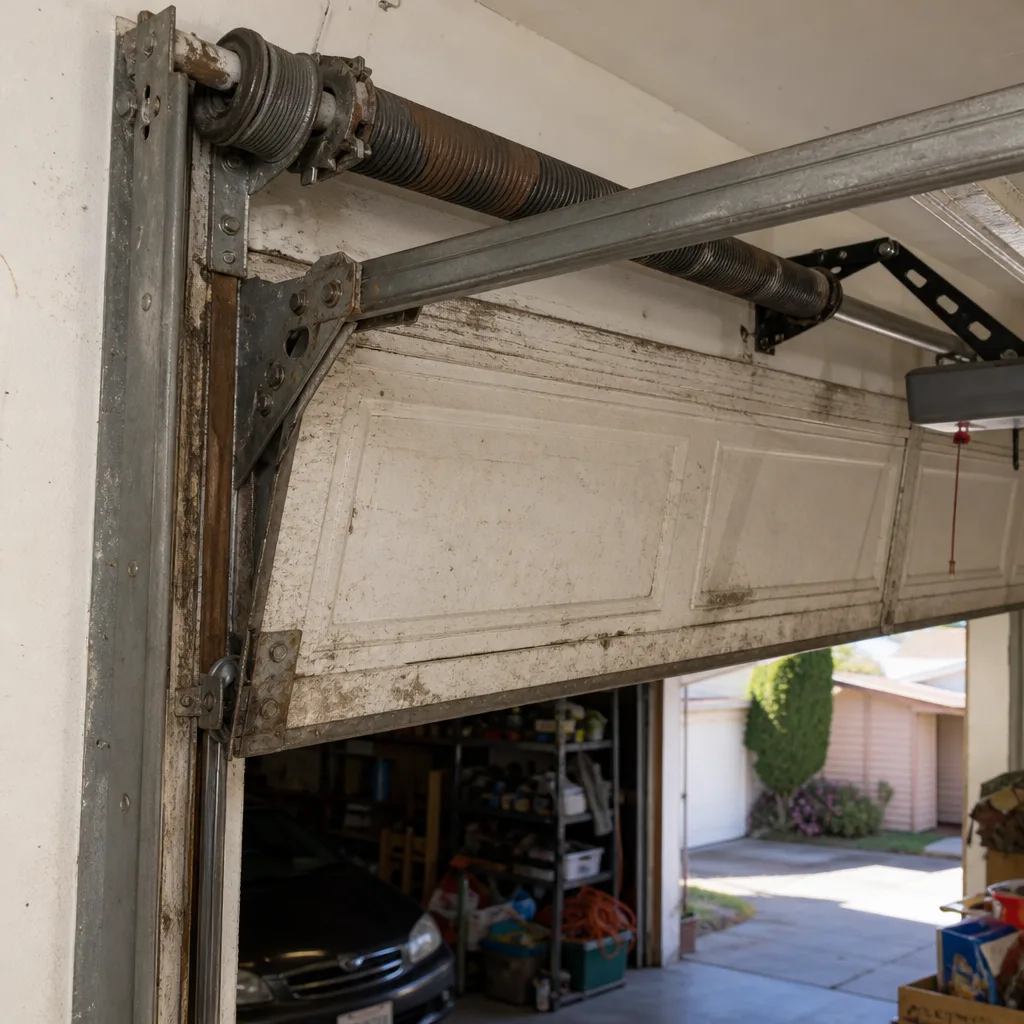 Before
 After
After Before
 After
After Before
 After
After