
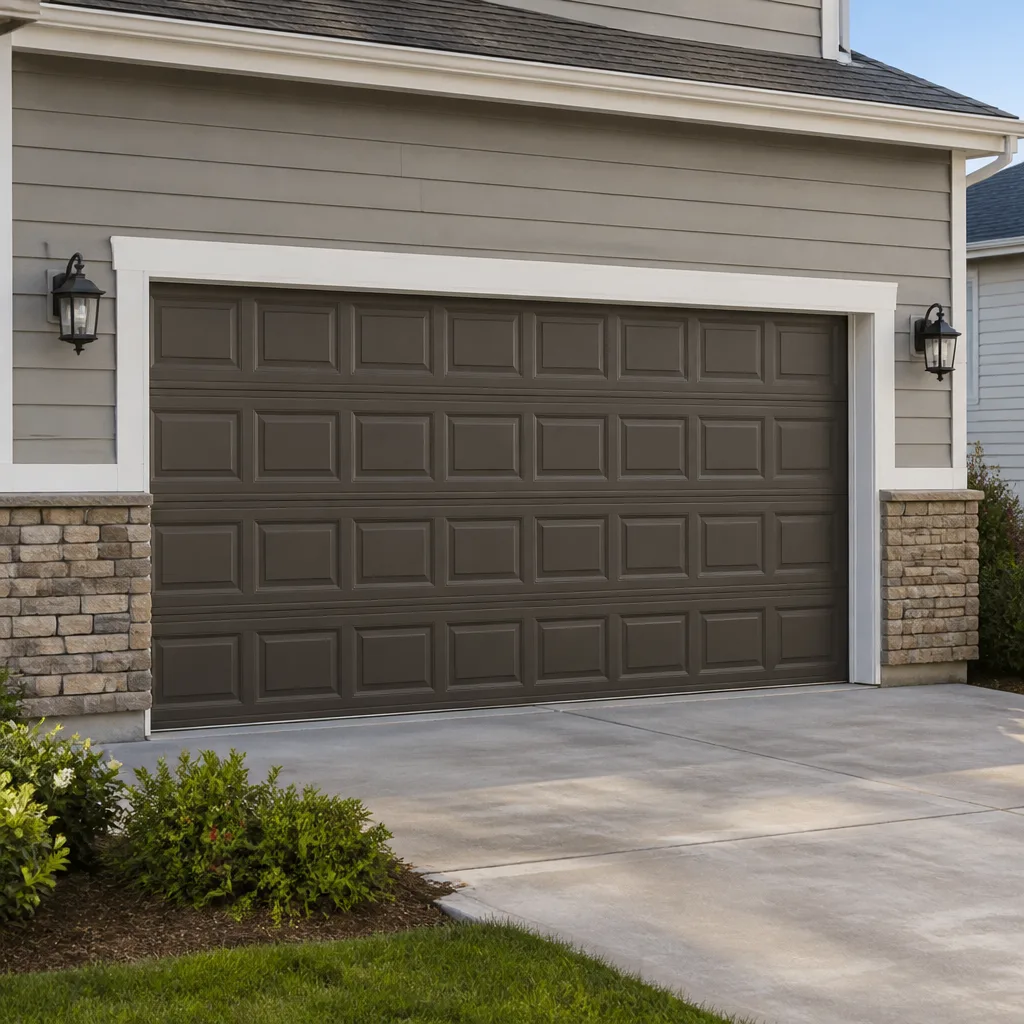
 Raised-panel steel
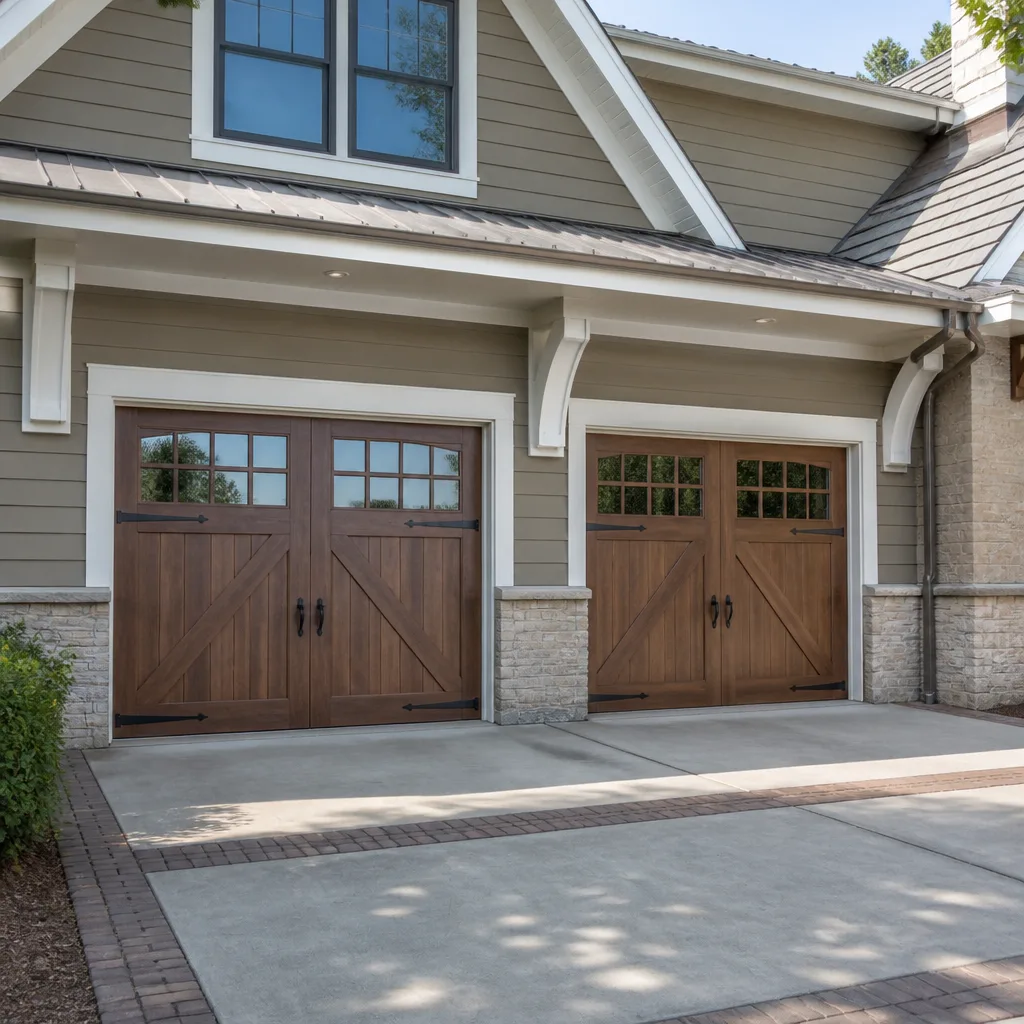 Carriage house
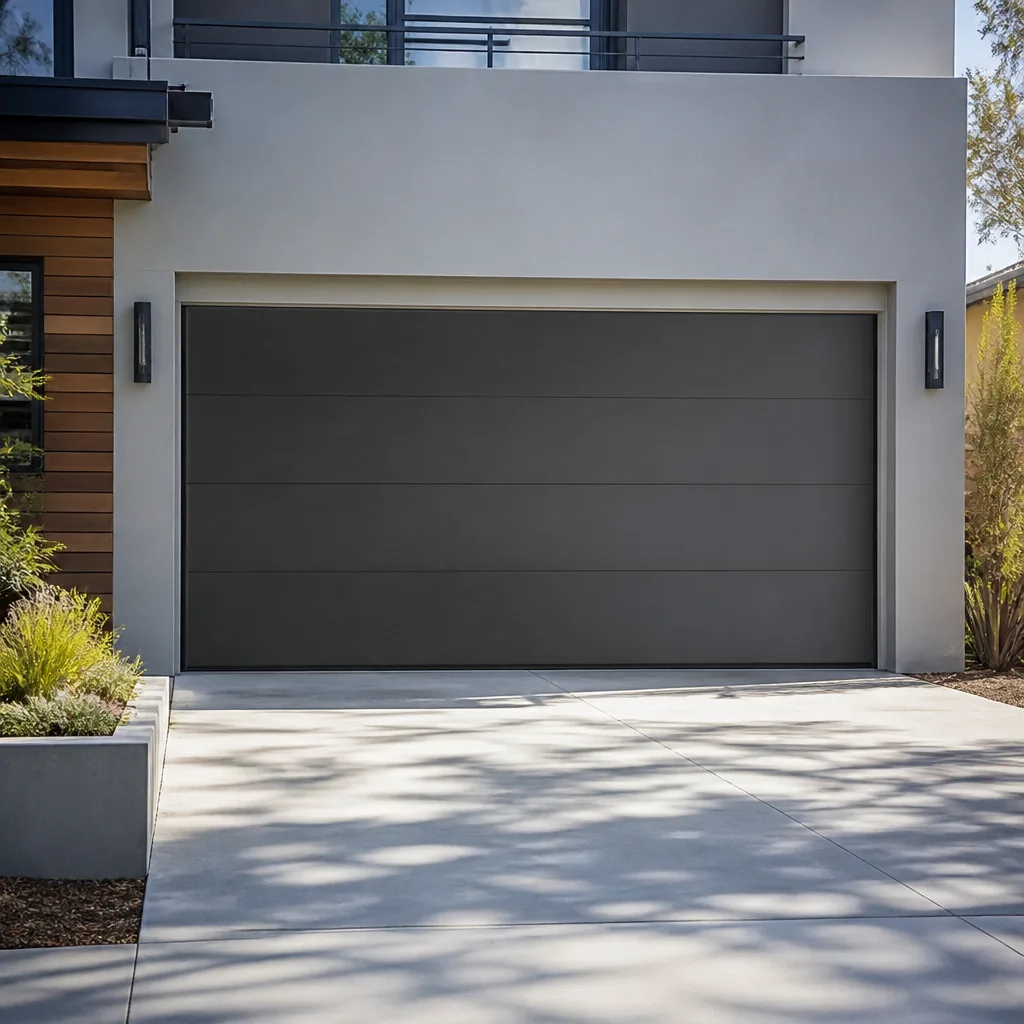 Modern flush
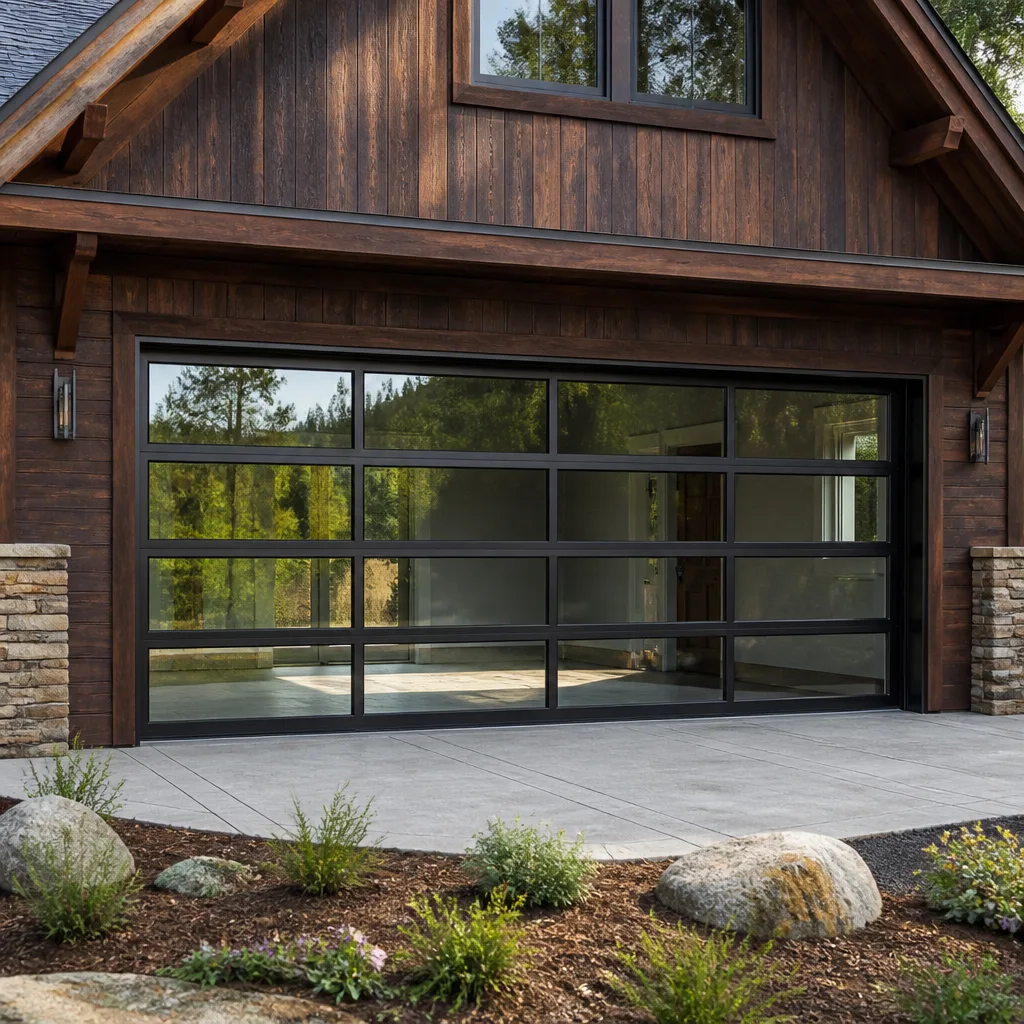 Full-view glass
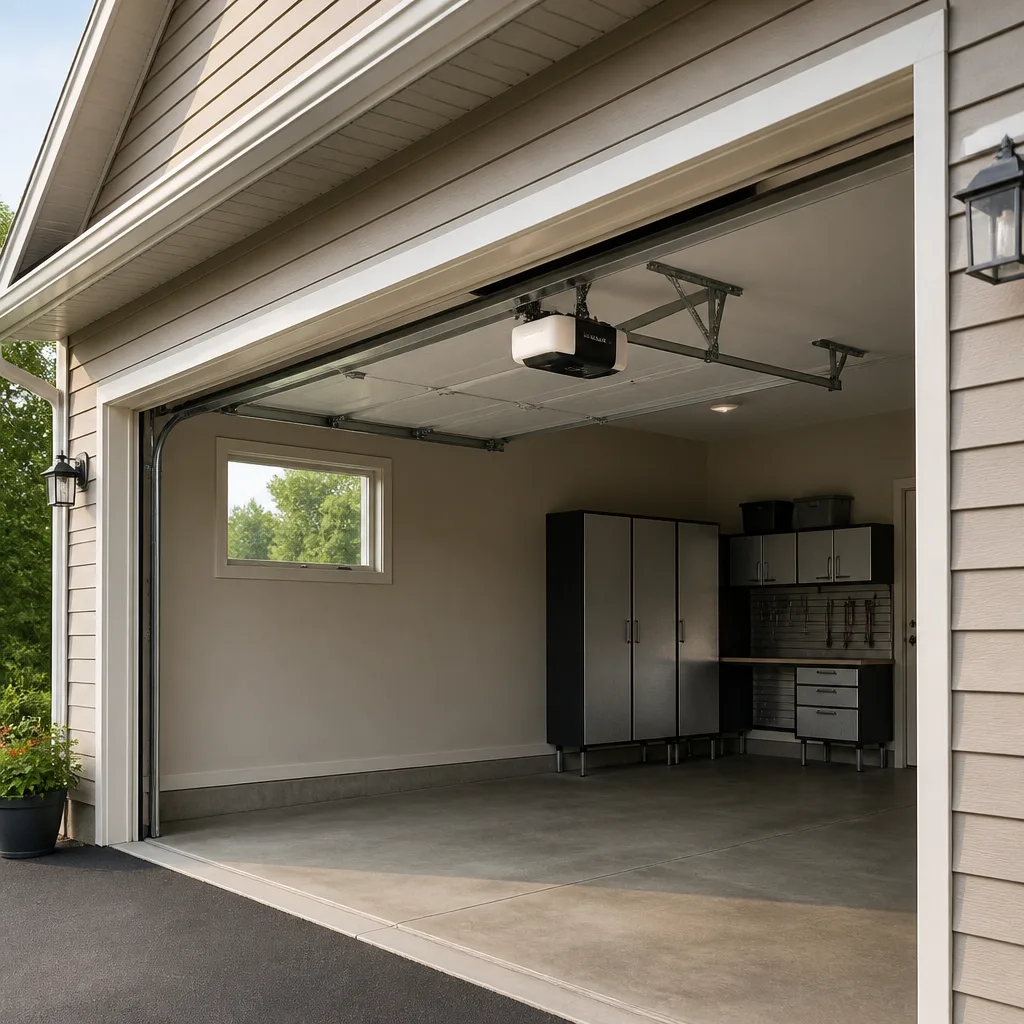 LiftMaster openers
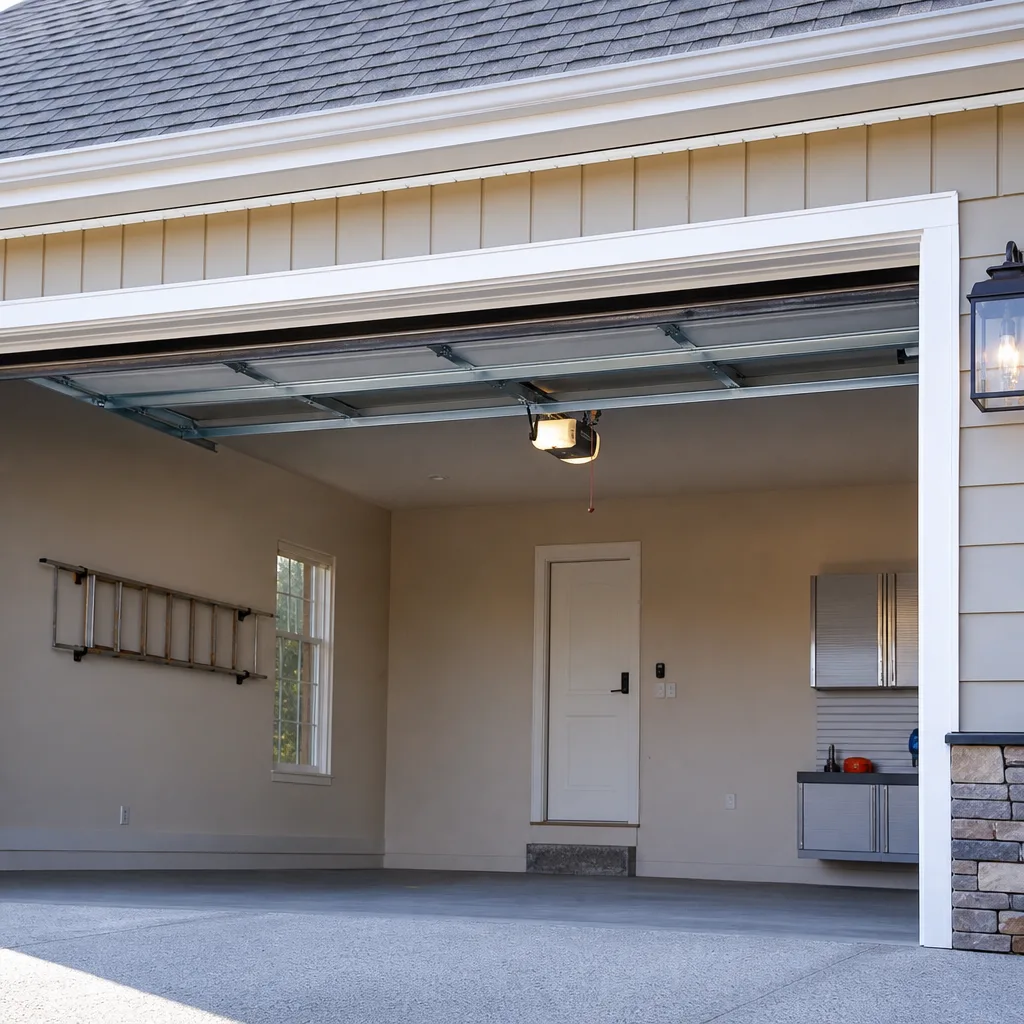 Chamberlain openers
Full 25-point door and opener safety check with every visit - springs, cables, rollers, tracks, and your LiftMaster or Chamberlain opener included
You get a price before we start. It does not change when the truck arrives.
Get your free estimateRaynor Weather Seal Replacement: The San Jose Owner’s Guide
We stock and install Raynor-compatible weather seal replacement across San Jose, with most jobs running $120 – $295 installed, parts and labor included. Same-day service is available when we have your seal profile on the truck, which covers the vast majority of Raynor residential doors. Most homeowners catch this failure as a visible gap of daylight under the door, a new draft creeping into the garage, or leaves and dust piling up just inside the threshold.
The bottom weather seal on any garage door is a working part, not a permanent one. Raynor doors ship with a good factory seal, but San Jose’s dry heat plus cold-season moisture cycling takes its toll: the rubber stiffens, the T-shaped channel that holds it in place loosens, and the lip eventually tears or flattens until it stops touching the concrete. Once that contact is gone, the seal is doing nothing for you. The good news is this is one of the most straightforward Raynor parts to replace correctly, assuming the right profile is matched to your door.
Which Raynor Models This Applies To
Raynor residential doors use one of two bottom seal profiles in almost all cases. The older and very common setup is a T-style seal (also called a tee or bulb seal) that slides into a crimped aluminum retainer. The newer doors, especially from the Aspen, AP200, and Aluminum Full View lines, use a bead-style or P-bulb seal that pushes into a round channel. The profile you need depends on the retainer that is already attached to the bottom of your door, not just the Raynor model name.
If you look at the bottom panel from inside the garage, you will see the aluminum retainer. Take a clear photo of the end profile of the rubber where it enters that retainer. That tells us exactly which seal to bring. We carry the common T-style and bead profiles for Raynor doors on our trucks throughout San Jose. One compatibility gotcha we see regularly: doors that were repainted or had a new bottom panel installed over the years sometimes have a replacement retainer from a different brand, so the seal we match has to fit the retainer you actually have, not the one the door came with in 1998. We check this before quoting, so there are no surprises.
For what it’s worth, we also stock weather seal profiles for LiftMaster, Chamberlain, and Genie openers when the job involves the opener’s safety edge or reversing sensor issues. We’re an independent service provider, not affiliated with Raynor directly, but we work with their parts regularly enough to know the seal profiles by sight.
Styles & brands we work with
Signs Your Raynor Weather Seal Replacement Is Failing
- Daylight visible under the closed door. This is the clearest signal. If you can see light across uneven stretches of the threshold, the seal has lost contact in those spots. Concrete settles, and an old, stiffened seal can’t flex to follow the low areas anymore.
- Drafts or a garage that won’t hold temperature. A worn seal turns the gap under your door into an air leak. Homeowners in colder San Jose winters notice it first as a chill in the garage or a room above the garage that feels colder than it used to.
- Leaves, dust, or bugs collecting inside the threshold. A healthy bottom seal sweeps debris away. When the lip flattens, wind pressure pushes small debris straight under the door and into the garage.
- Visible cracks, tears, or missing chunks in the rubber. Walk the bottom edge with the door closed and run your eye along the seal. If the rubber looks split, chewed, or has sections missing entirely, replacement is the only real fix. Patches and glues don’t hold on a part that flexes every cycle.
- The door sits on an old, flattened seal that doesn’t rebound. Press your thumb into the rubber near the edge. If it stays compressed or feels hard instead of springing back, the UV exposure from San Jose summers has cooked the material and it’s time to swap it.
See the difference
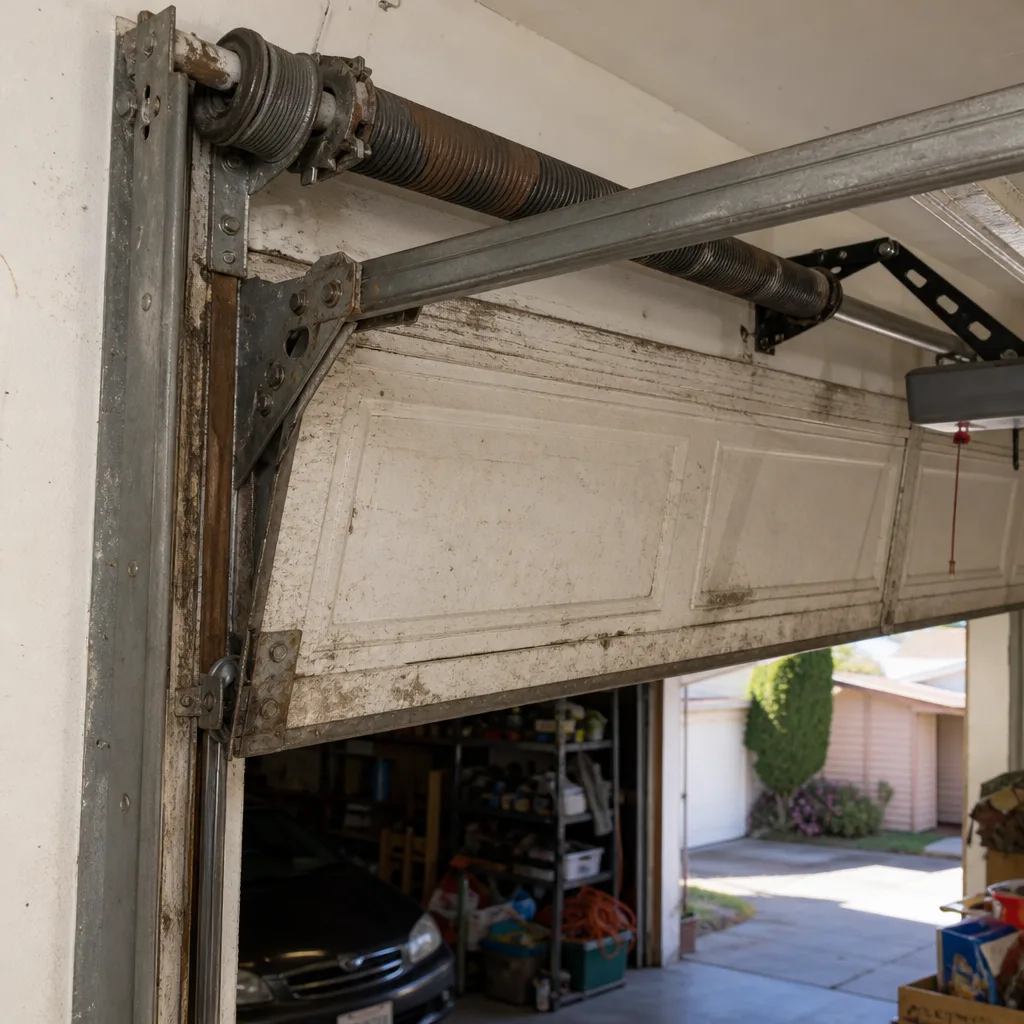 Before
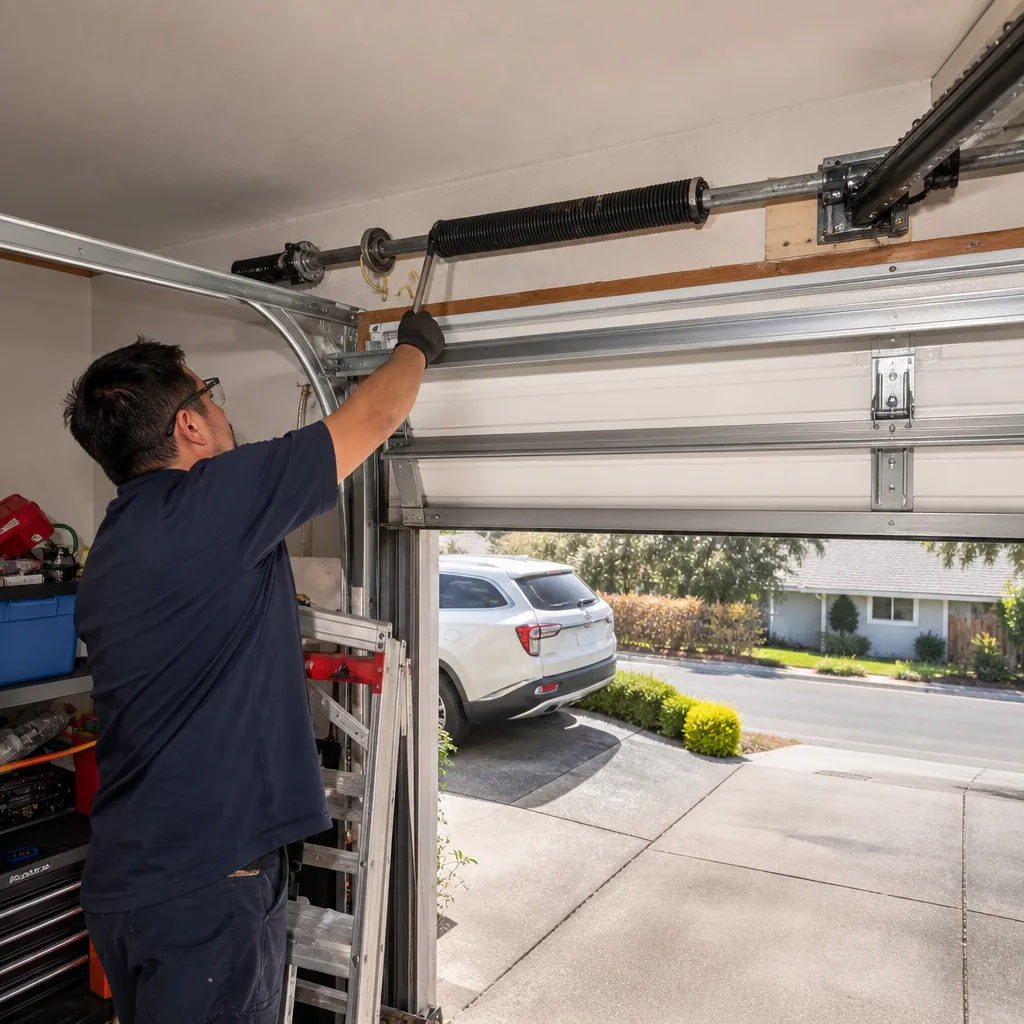 After
After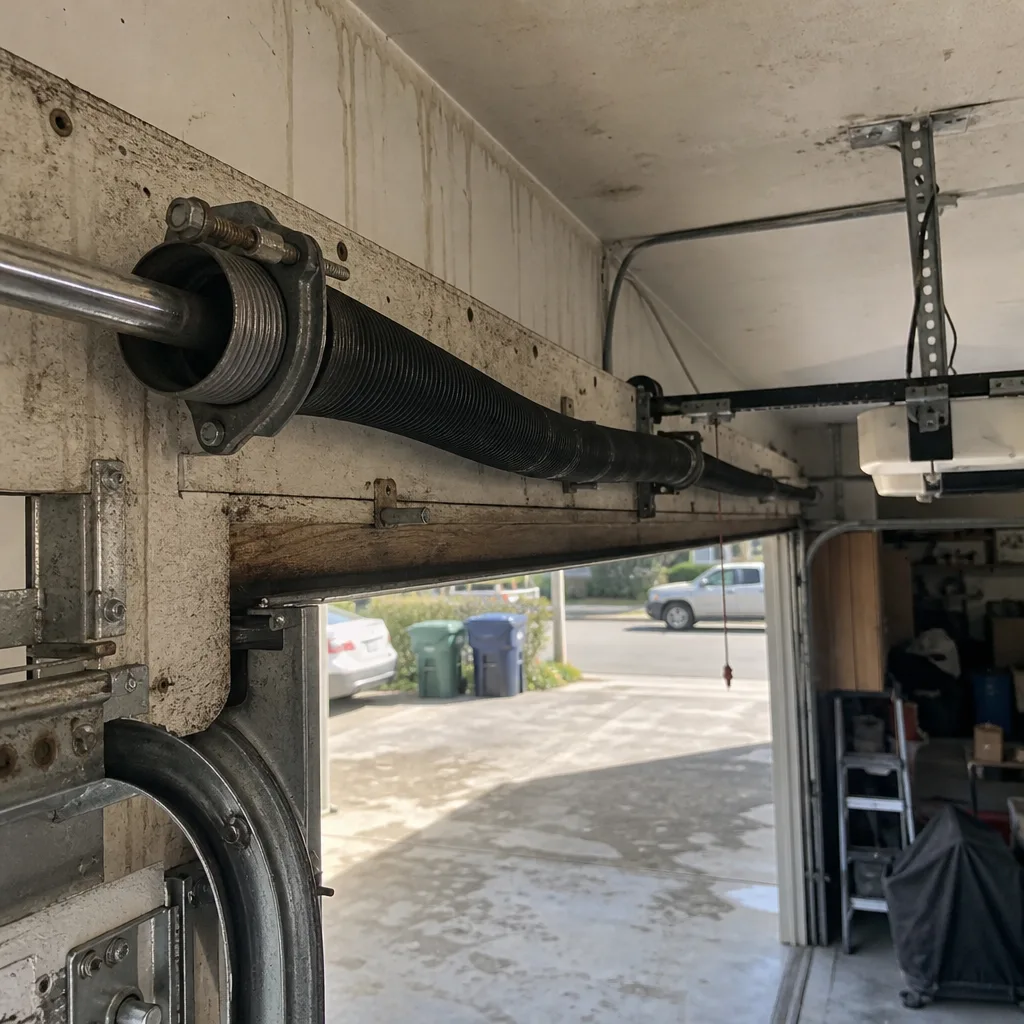 Before
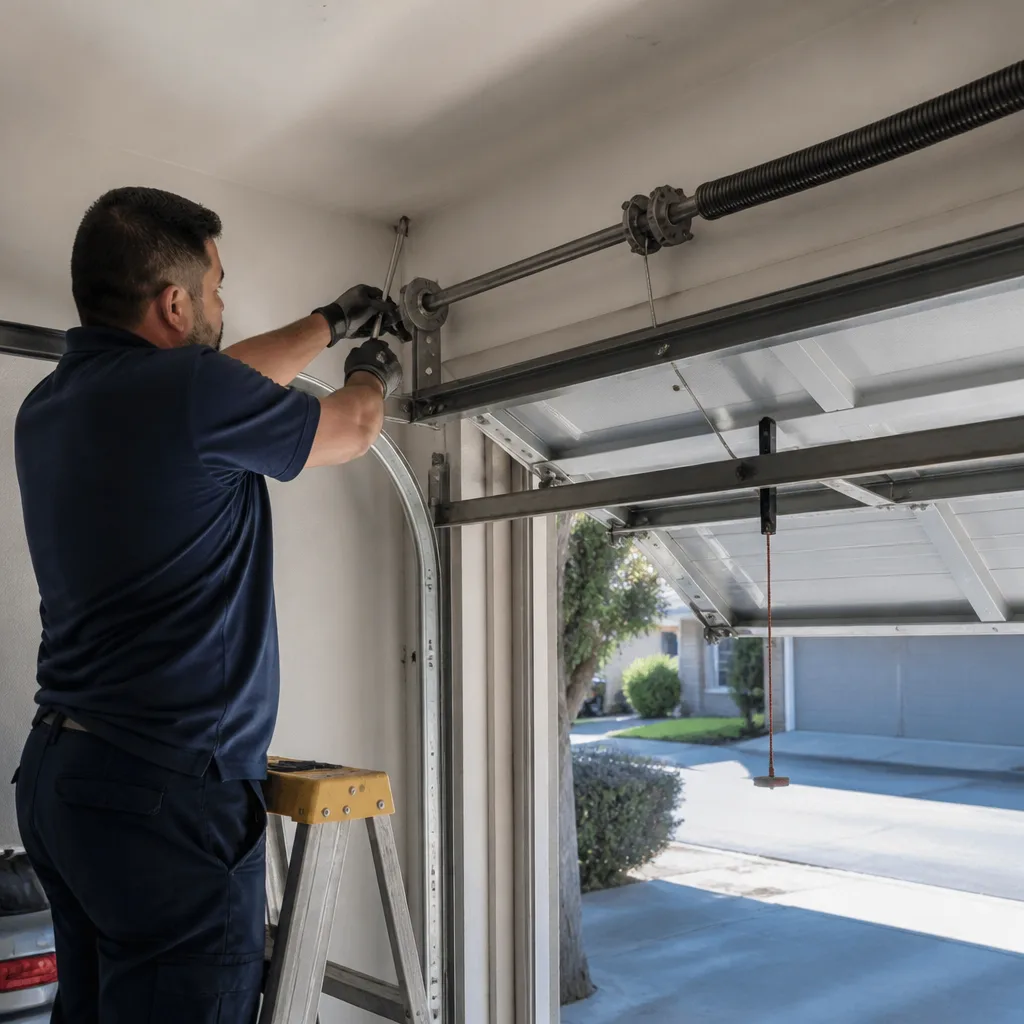 After
After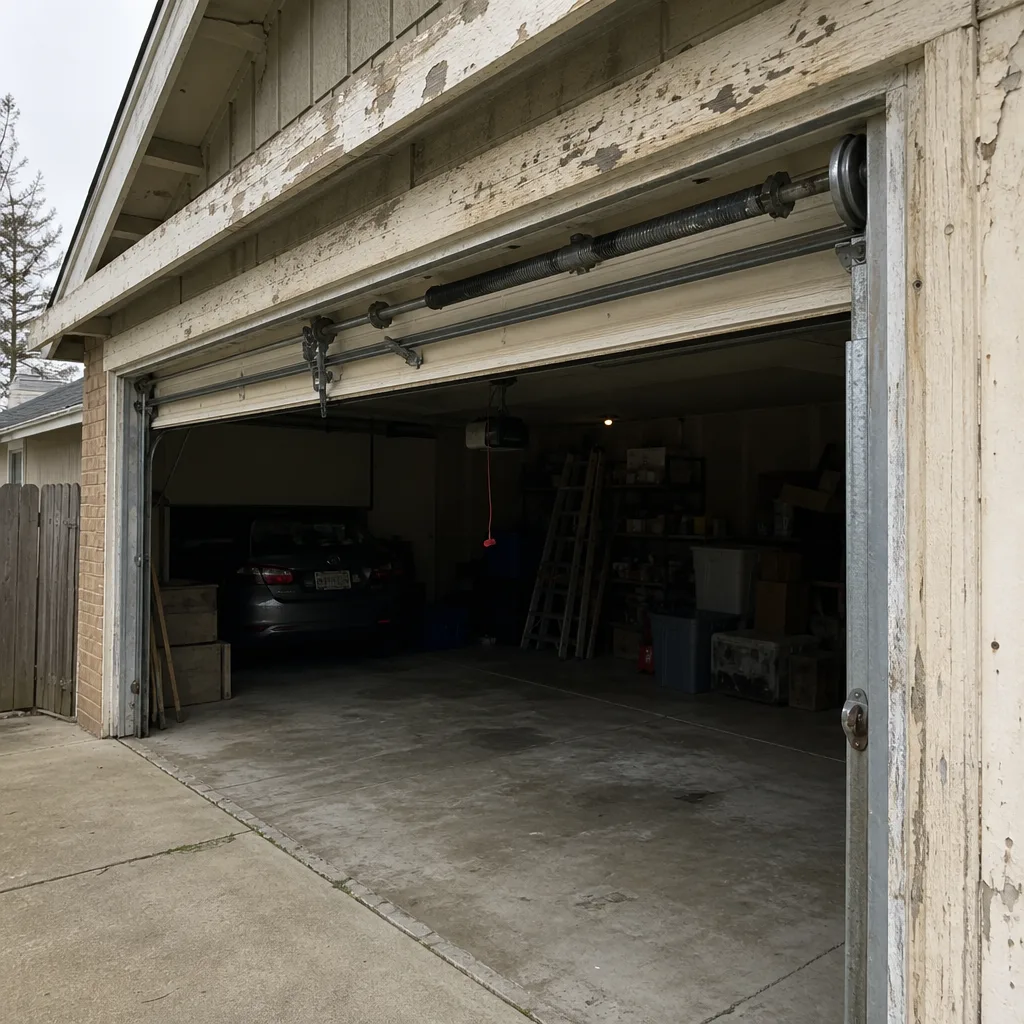 Before
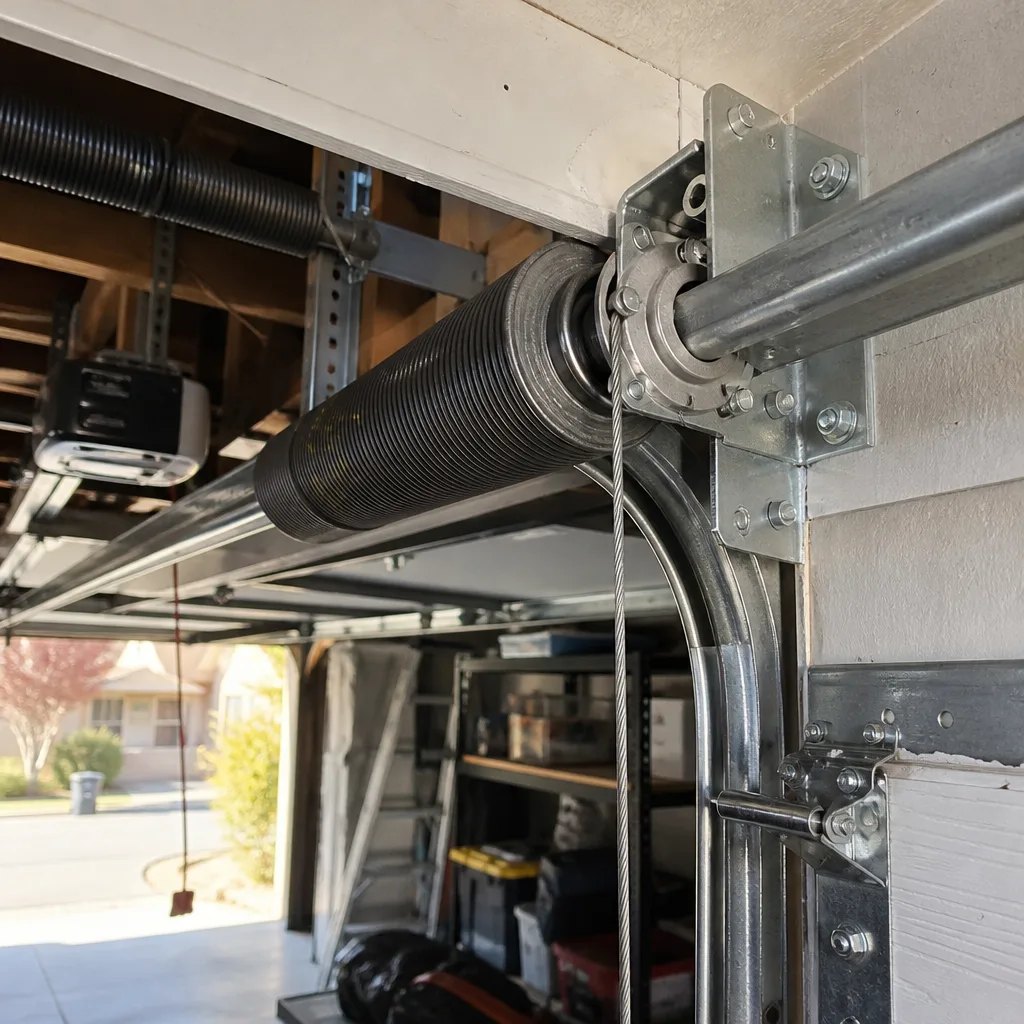 After
AfterReplacement Cost & What’s Included
Installed weather seal replacement on a Raynor door in San Jose typically runs $120 – $295. The low end covers a standard 9-foot or 16-foot T-style seal on a single residential door with the retainer still in good shape. The upper end covers wider doors, bead-style profiles that cost a bit more for the material, or jobs where the aluminum retainer itself is bent, rotted at the screw points, or so full of old rubber fragments that we recommend replacing the retainer along with the seal.
Here’s how that range breaks down:
- Standard T-style or bead seal, 9-ft door: $120 – $180 installed
- Standard T-style or bead seal, 16-ft door: $150 – $230 installed
- Seal plus new aluminum or PVC retainer: $190 – $295 installed
Every price is written and agreed before we touch the door. The number on your invoice matches the number we quoted. That’s the Kingswell Way and it applies to every single job, including weather seals. The work itself is covered by our 365-Day Done Right Promise: if the seal fails within a year of installation, we come back and fix it at no charge. That commitment is in writing.
DIY or Call Us?
Weather seal replacement is one of the few garage door repairs that a competent DIYer can genuinely do, if the retainer is undamaged and the new seal slides in without force. You remove the old seal by pulling it from one end, clean the channel, and feed the new rubber through. No high-tension parts involved.
The places DIY goes sideways: ordering the wrong profile online (T-style and bead-style are not interchangeable), fighting a bent retainer that should be replaced, or using a hair dryer to soften brittle rubber and getting the seal in but not seated straight. If the retainer screw points are worn out or the aluminum is kinked, call us. We’ll tell you honestly on the phone whether this looks like a simple swap or a retainer replacement job. Call (669) 444-4253 and we’ll help you sort it out before you spend a dime on the wrong part.
FAQs
A Raynor bottom weather seal in San Jose typically lasts 5 to 8 years before it needs replacement, depending on sun exposure and how often the door cycles. West-facing doors in full afternoon sun tend to degrade faster, sometimes in as little as 4 years. A quick visual check twice a year is all it takes to catch it early. Call (669) 444-4253 for an exact assessment of your door.
In nearly all cases, no. Once the rubber is cracked, torn, or flattened, there’s no adhesive or patch that will survive the flexing and scraping cycle after cycle. Replacement is the correct fix. The good news is that it’s relatively inexpensive compared to most other door repairs, and we carry the right seals on the truck in San Jose, so the work is often done on the first visit.
A standard single-door weather seal replacement takes 20 to 45 minutes from start to finish when the retainer is in good shape. If the retainer needs to be replaced too, plan for closer to an hour. We give you a clear arrival window before we come out, so you’re not waiting around all day wondering.
Yes. We carry the common Raynor T-style and bead-style profiles on our service trucks throughout San Jose. If you have an unusual retainer or a commercial-grade seal, we may need to source the part and schedule a short follow-up visit the next day. Call (669) 444-4253 and describe what you see under the door, and we’ll tell you honestly whether we can knock it out today.
Written by Marcus Ellery, Owner, Bramwell Garage Doors San Jose at Bramwell Garage Doors San Jose, serving San Jose and nearby areas.