
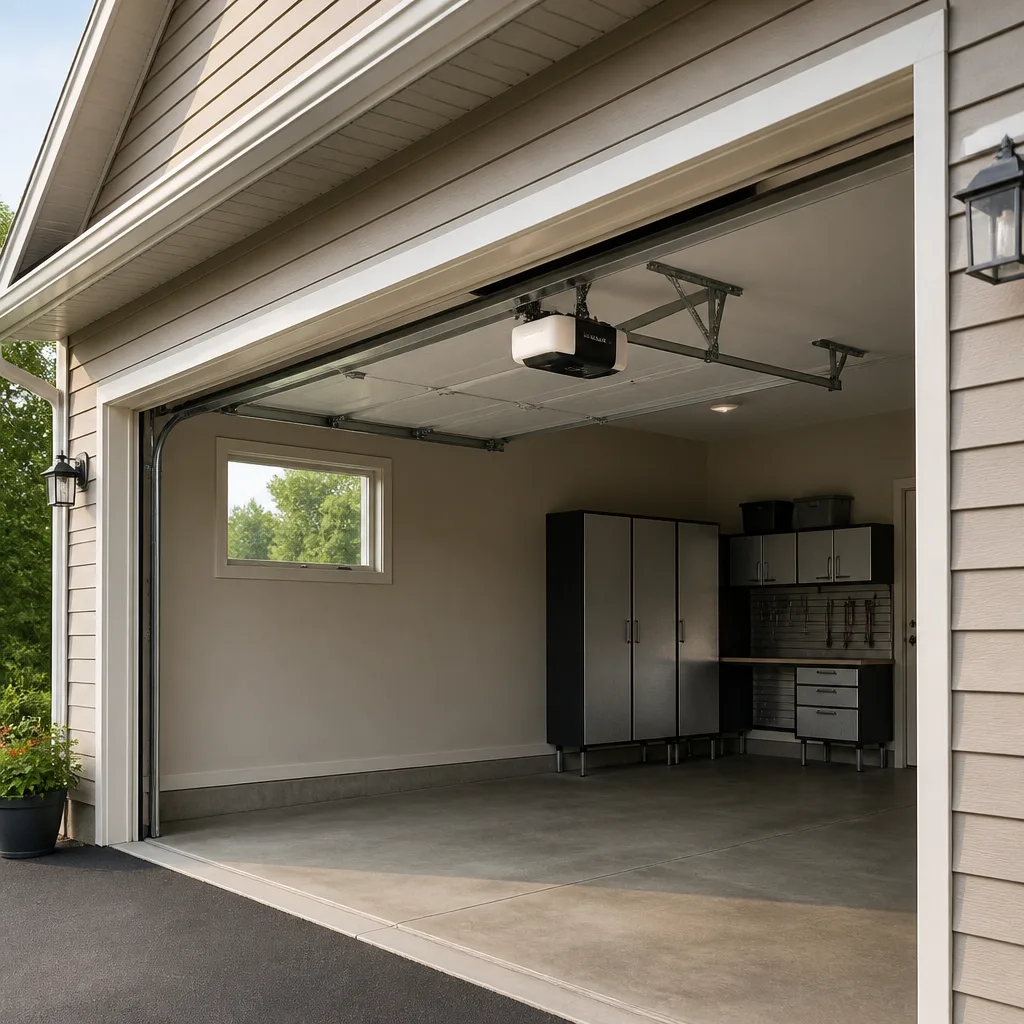
 LiftMaster openers
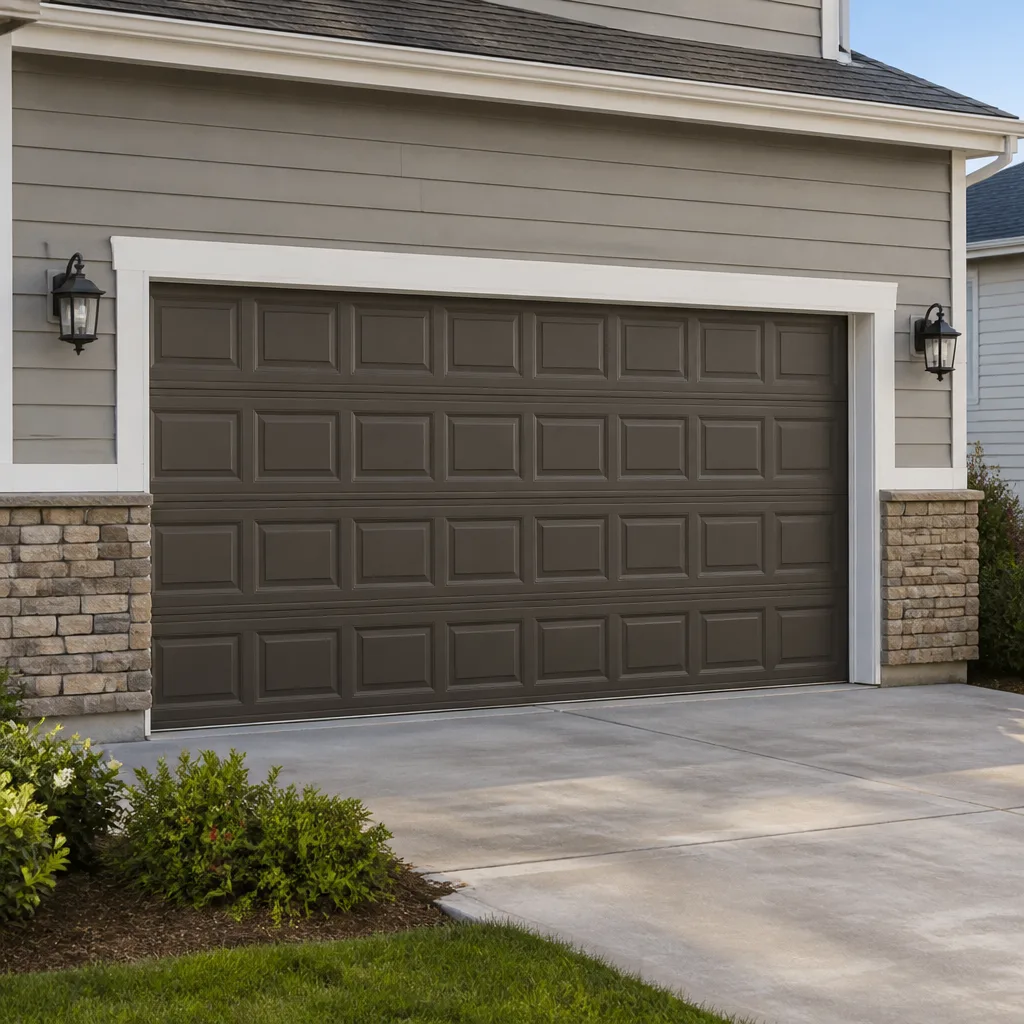 Raised-panel steel
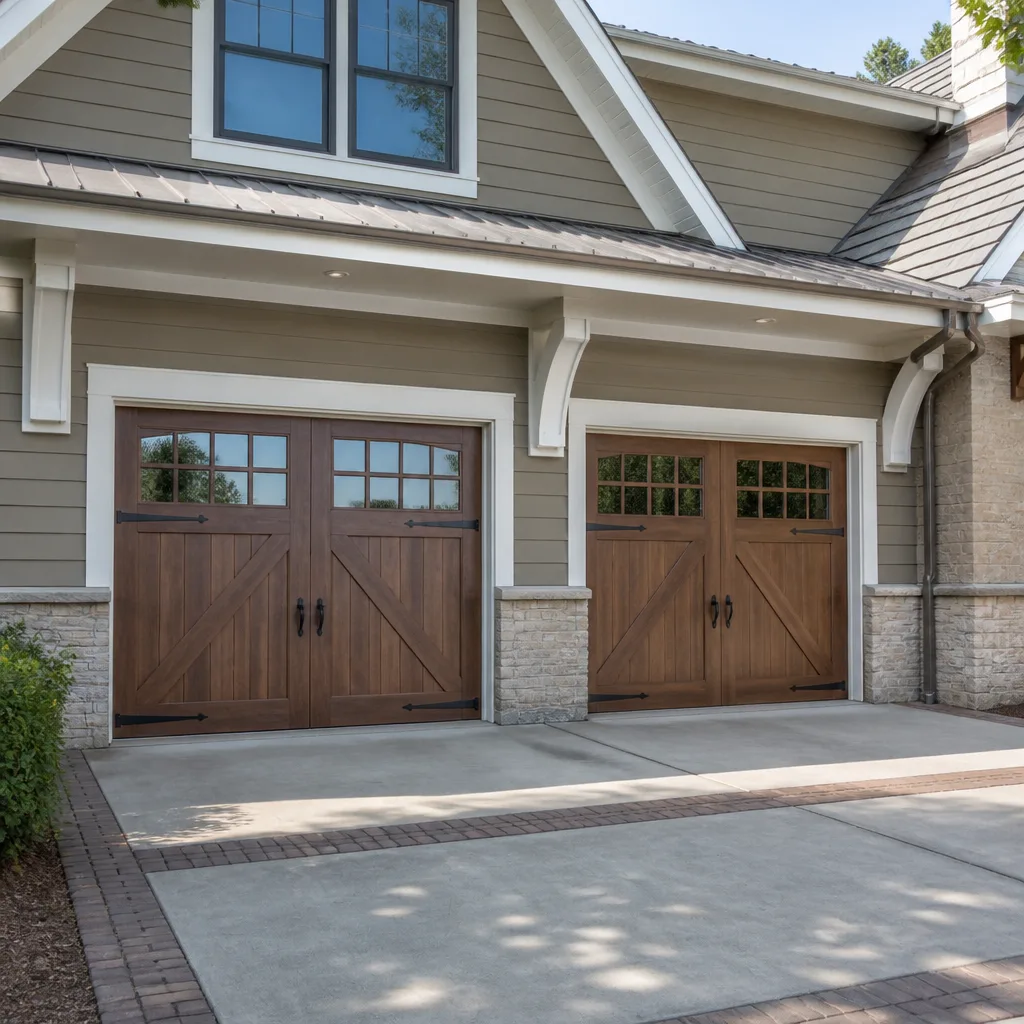 Carriage house
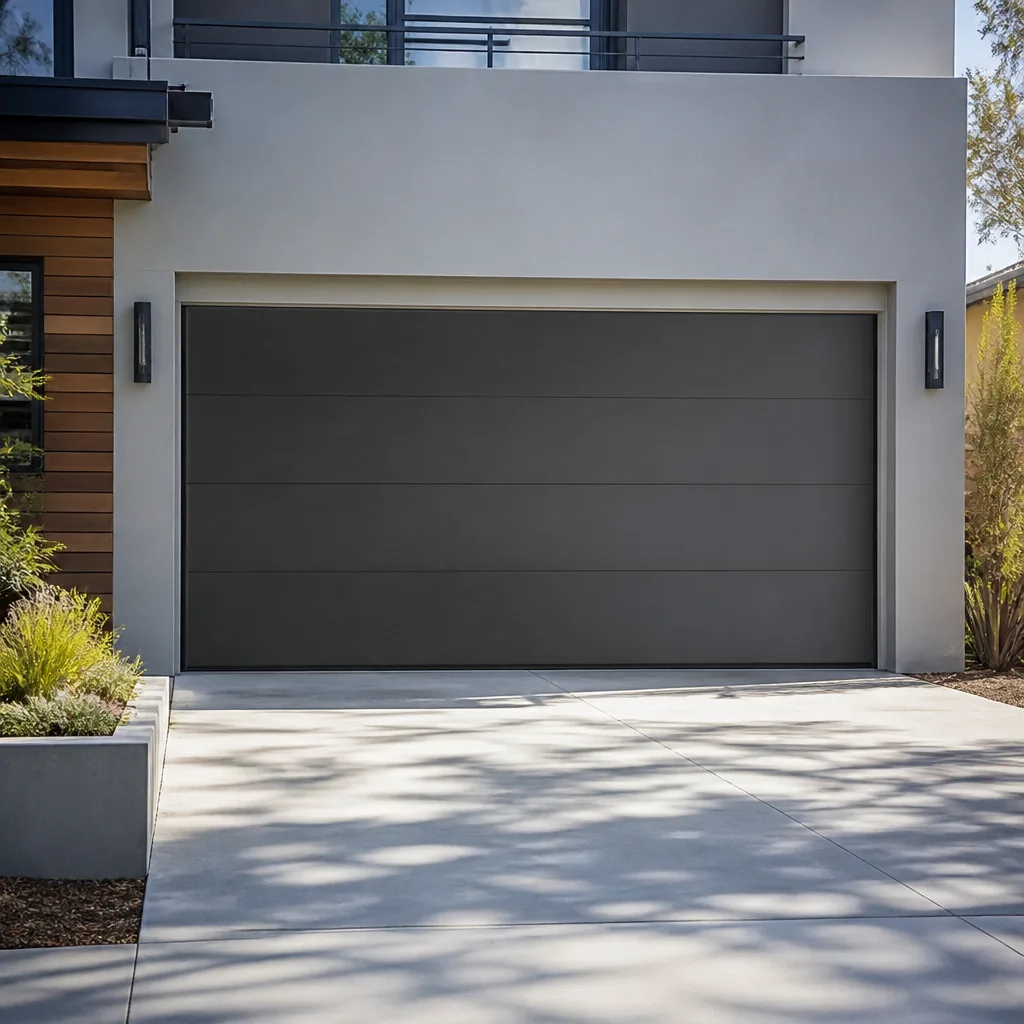 Modern flush
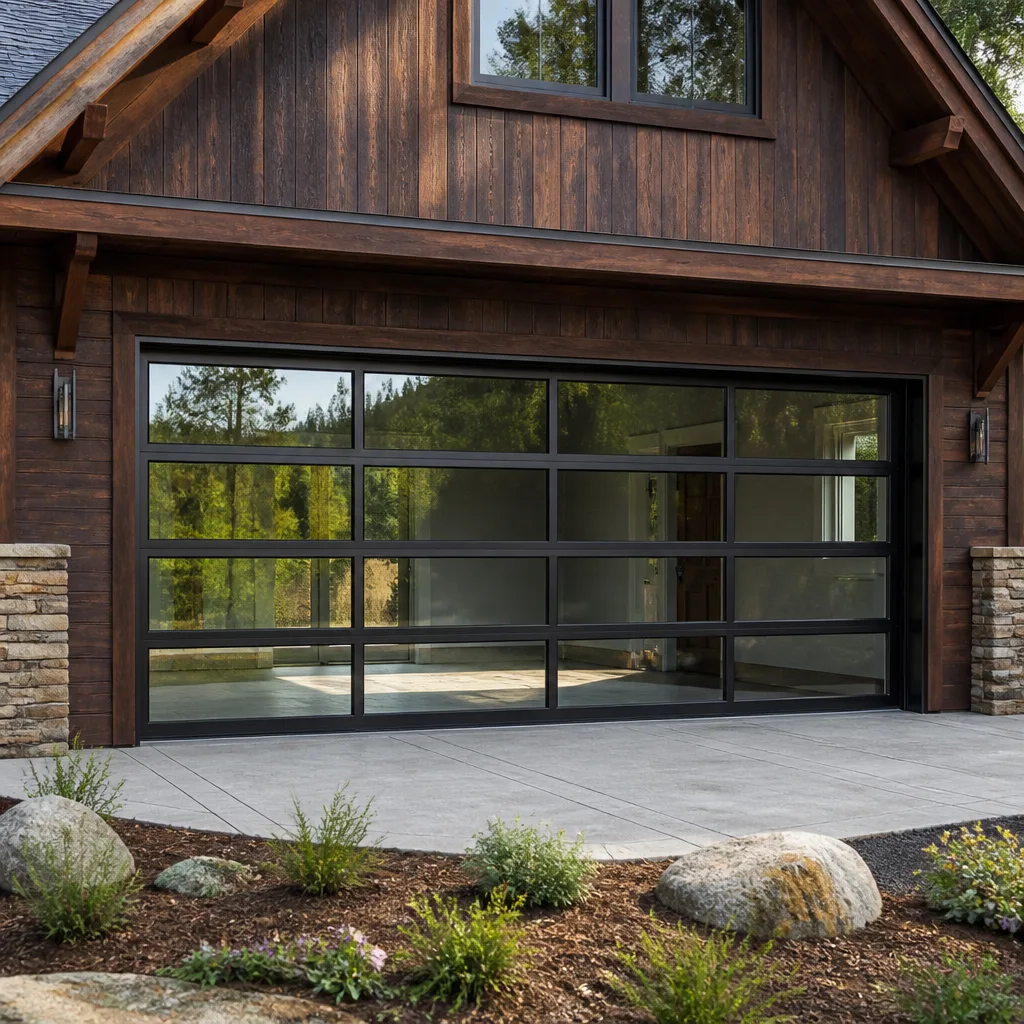 Full-view glass
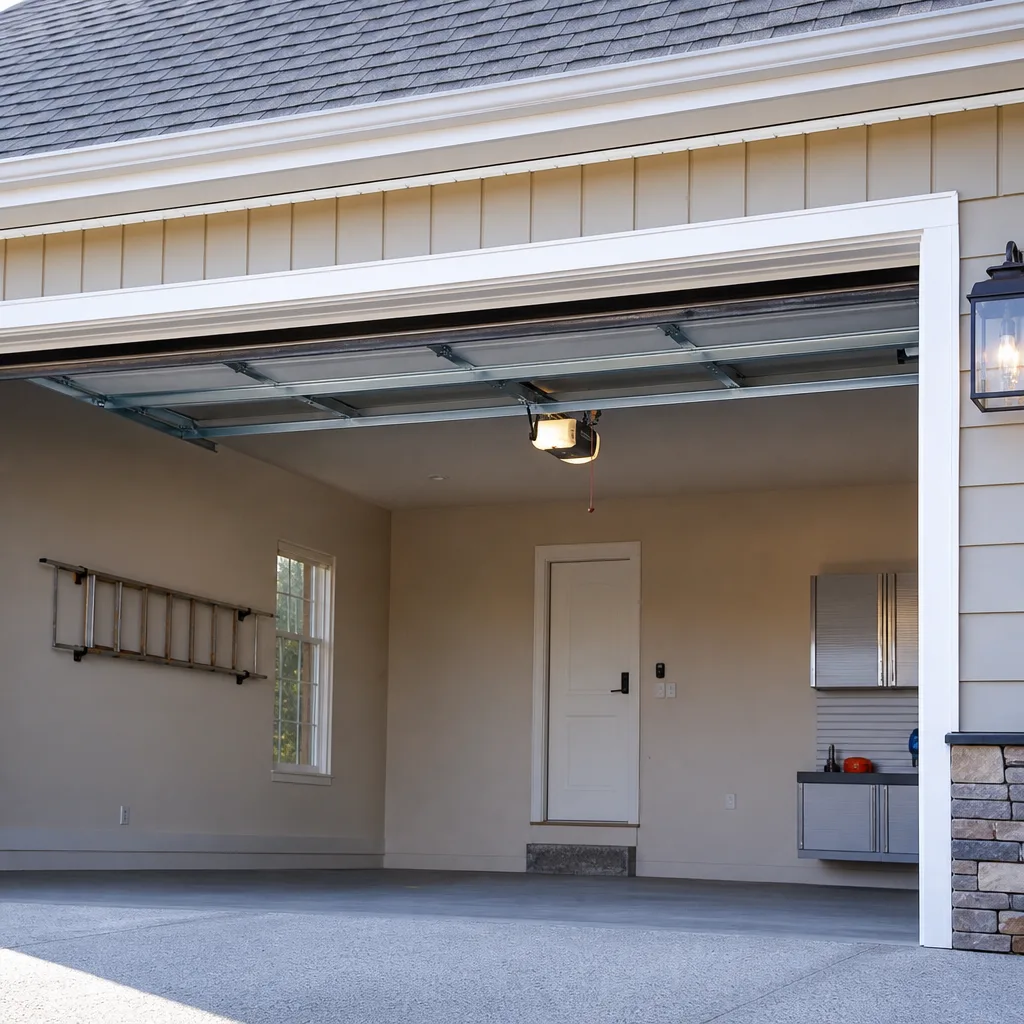 Chamberlain openers
Full 25-point door and opener safety check with every visit - springs, cables, rollers, tracks, and your LiftMaster or Chamberlain opener included
You get a price before we start. It does not change when the truck arrives.
Get your free estimateLiftMaster Roller Replacement: The San Jose Owner’s Guide
Roller replacement on a LiftMaster garage door in San Jose typically costs $130 to $260 installed, and we carry compatible rollers on the truck on most service calls. If your door has started grinding, shuddering, or squealing when it opens, there’s a good chance one or more rollers have worn to the point where they need to come out. Rollers are one of those parts nobody thinks about until the noise gets bad enough that you flinch every time you hit the opener button.
We see this a lot in San Jose, especially on homes where the garage gets used as a workshop, a gym, or a main entry door. A garage door that cycles four or five times a day wears through rollers years faster than one that opens twice. The good news is that roller replacement is one of the quickest, least expensive repairs in the trade.
Key Takeaways
- LiftMaster roller replacement in San Jose runs $130 to $260, parts and labor included.
- Worn rollers are the most common cause of a noisy, rough-feeling garage door.
- We stock nylon and steel rollers on the truck, so most jobs are done in one visit.
- Your price is written down and agreed before any work starts. No surprises at the end.
- Call (669) 444-4253 for a free estimate over the phone or to book a service call.
Styles & brands we work with
How much does LiftMaster roller replacement cost in San Jose?
In San Jose, expect to pay $130 to $260 to have garage door rollers replaced by a pro, parts and labor included. That’s the honest range for a straightforward roller swap on a standard single or double door, and it covers every roller on the door, not just the broken one. We always write the price down before we start, so the number we quote is the number on the invoice.
Which LiftMaster Models This Applies To
Here’s the thing about garage door rollers: they don’t care what brand your opener is. The rollers live in the tracks of the door itself, so a LiftMaster opener (which is the motor and rail assembly mounted to the garage ceiling) works with whatever door and rollers you already have installed. LiftMaster makes openers, not the door panels or hardware, which means the rollers on your door were installed by the door manufacturer.
That said, we service plenty of San Jose homes with LiftMaster openers paired to doors from Clopay, Amarr, and Wayne Dalton, and the roller spec stays fairly consistent across the board. Most residential garage doors in California use either 2-inch nylon rollers or steel-bearing rollers with a 7/16-inch stem. The important thing is the stem diameter and the wheel size. If you’re checking your own door, look at the bracket where the roller stem slides in. If it measures about a half-inch across, you’re looking at the standard 7/16-inch roller. If it’s visibly smaller, around 3/8 of an inch, you’ve got an older or specialty track setup and we need to order the right part.
When it comes to OEM versus aftermarket, there’s actually no such thing as a “LiftMaster OEM roller,” because LiftMaster doesn’t manufacture door rollers. The decision is between a cheap big-box roller and a quality commercial-grade nylon roller. The cheap ones have plastic bushings that flatten out after a year or two of San Jose’s summer heat. The ones we stock have sealed ball bearings and nylon wheels that run quieter and last significantly longer. The price difference is small. The lifespan difference is measured in years.
Local compatibility gotcha: Homes built in San Jose before about 1995 sometimes have non-standard track systems with narrower stems. If someone replaced the door in the 2000s but left the original track, you can end up with a mismatch. That’s why we check the stem diameter before quoting a price.
Signs Your LiftMaster Roller Replacement Is Failing
- Grinding or scraping noise when the door moves. This is metal-on-metal contact, usually from a roller that’s worn flat on one side. The wheel stops rolling and starts dragging. Every cycle grinds down the track a little more.
- The door shudders or jerks on the way up. A flat spot on a roller catches on the track, and the door hesitates each time that roller hits that spot. You can often watch the door and see exactly where it sticks.
- Visible wear on the roller wheel. Look at the rollers on the bottom brackets. If the wheel is no longer perfectly round, or if you see chips, cracks, or a flattened edge, that roller is done. It’s a five-second check you can do from the garage floor.
- A squeal that gets worse in summer. Heat expands metal, and a roller with a dry, worn bearing gets louder as it gets hotter. San Jose summers make this obvious. If the noise fades in winter and comes back in June, the bearing is running on borrowed time.
- Loose or rattling roller in the track. Grab the door handle and shake the door. If you hear a rattle, a roller stem or bearing has slack. That slack lets the door sit crooked in the track, which accelerates wear on every other roller and the hinges.
See the difference
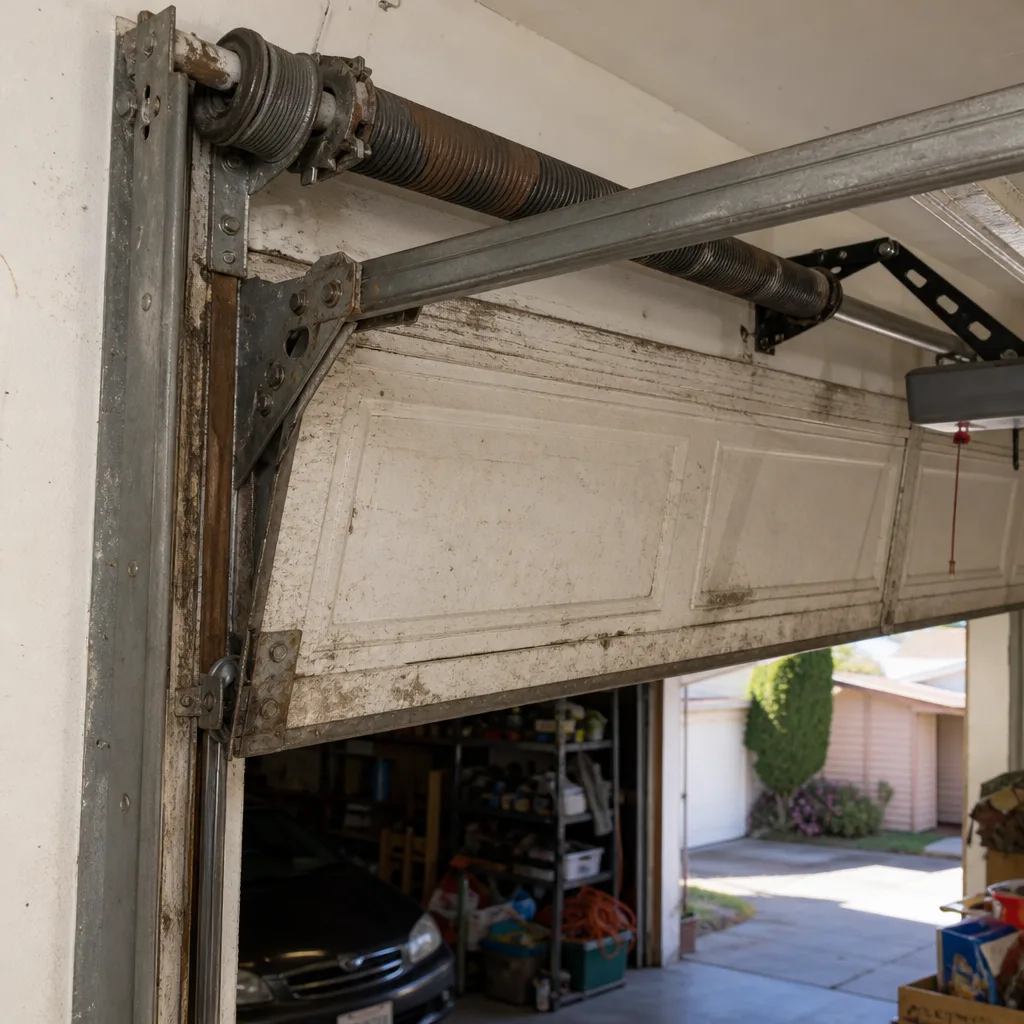 Before
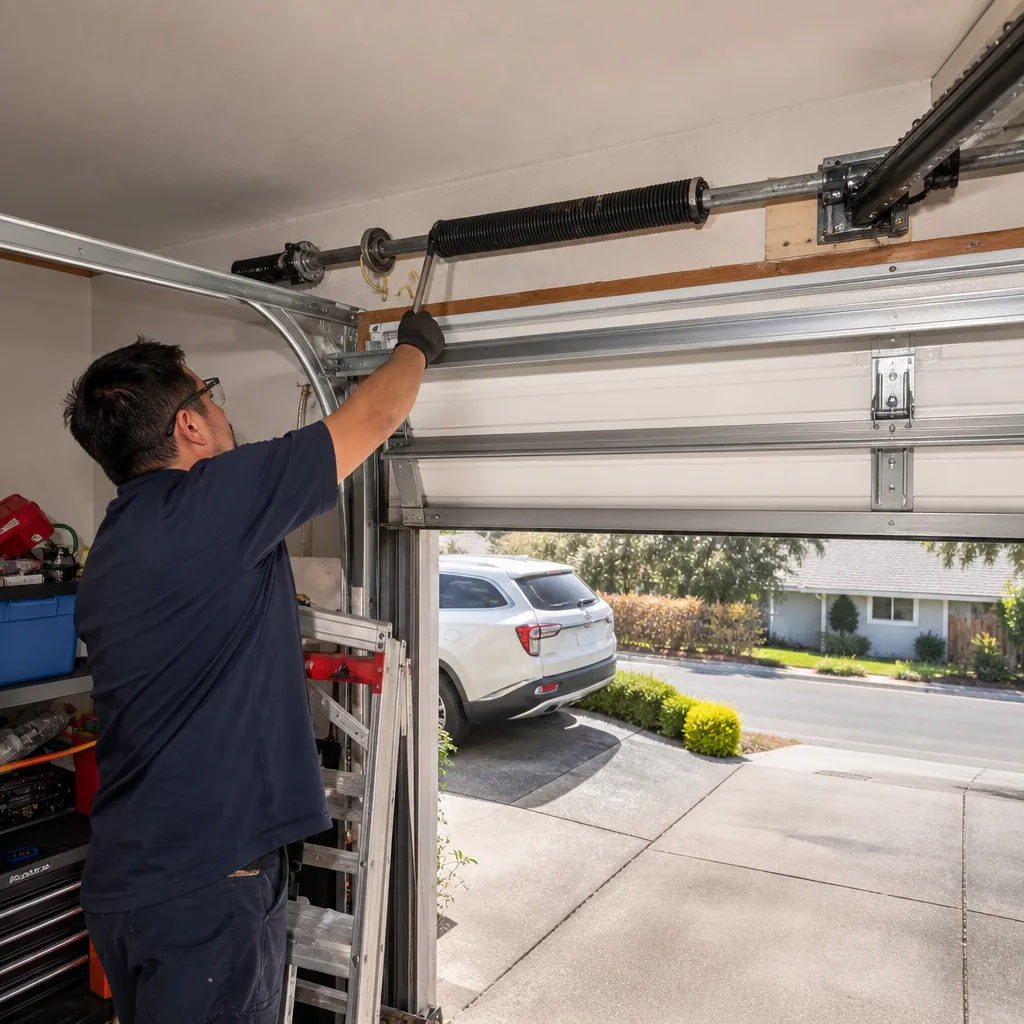 After
After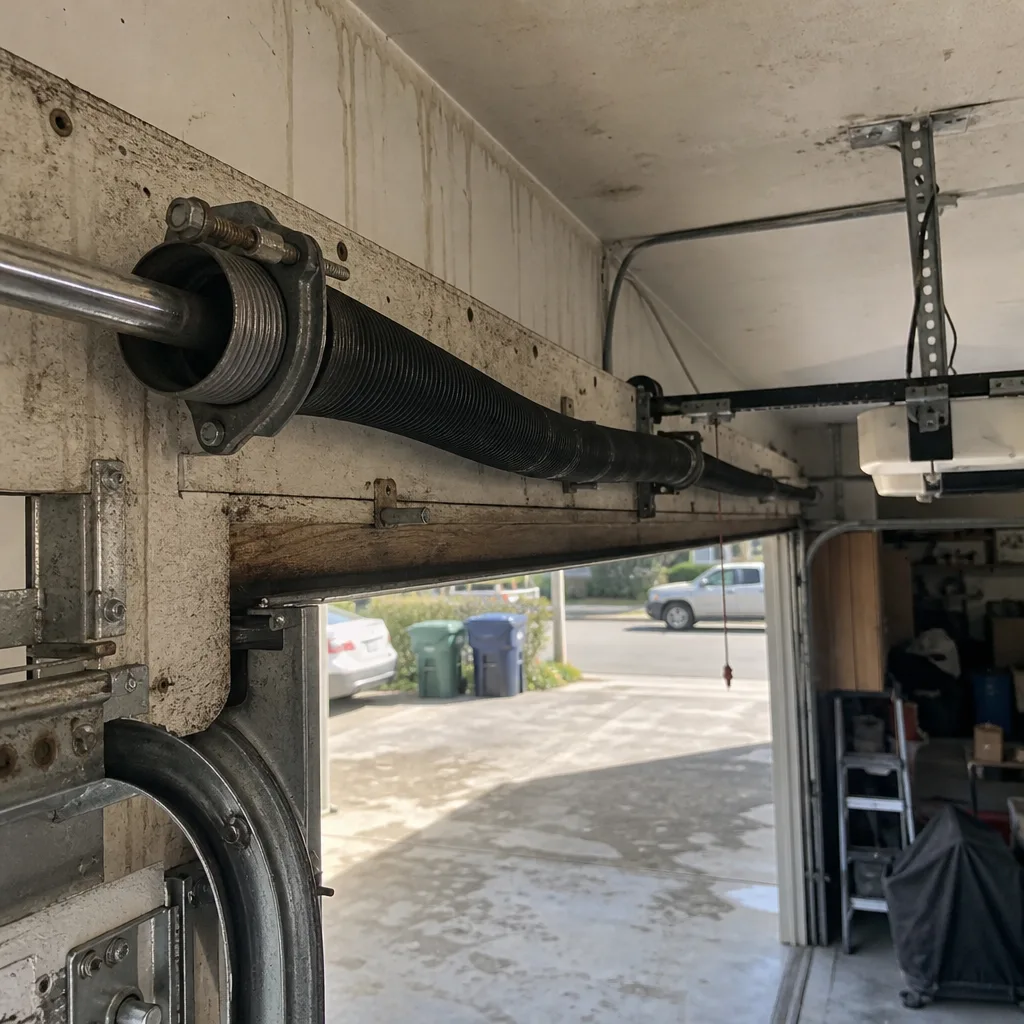 Before
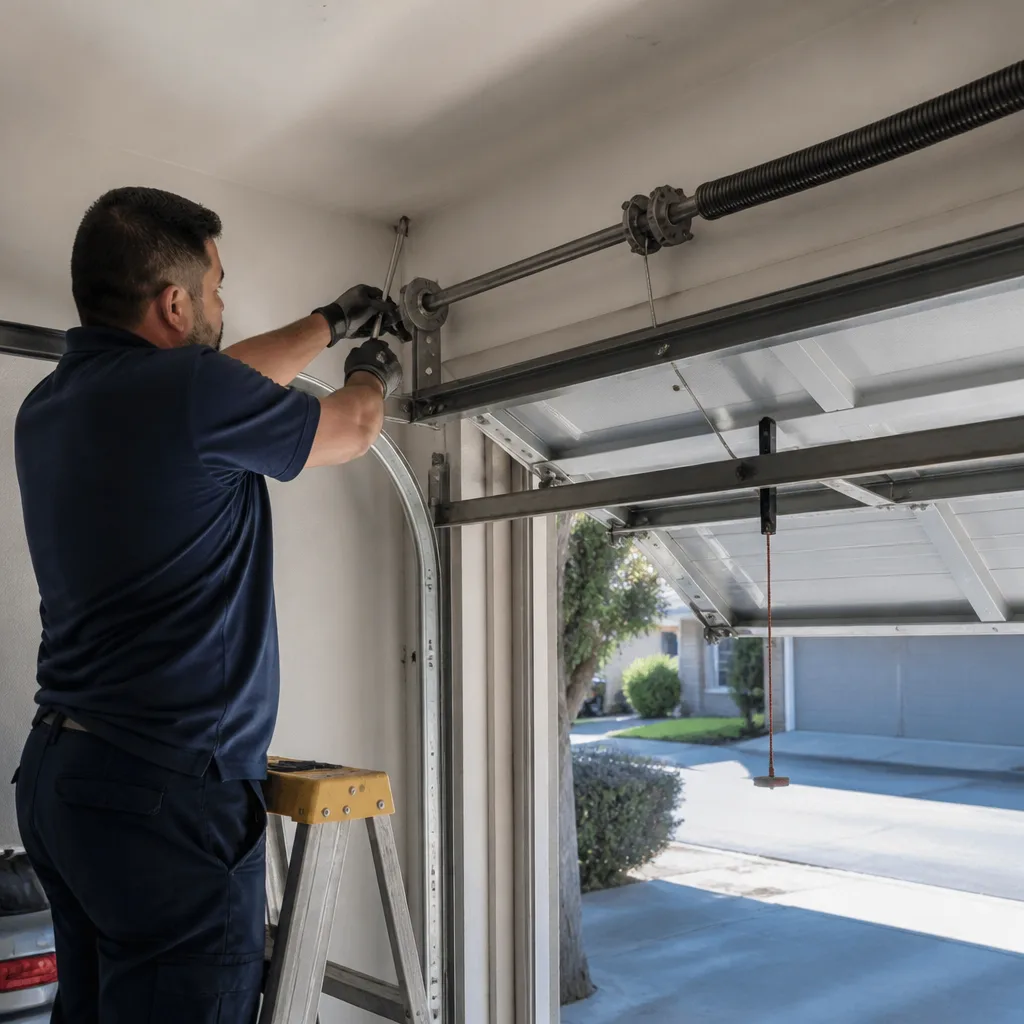 After
After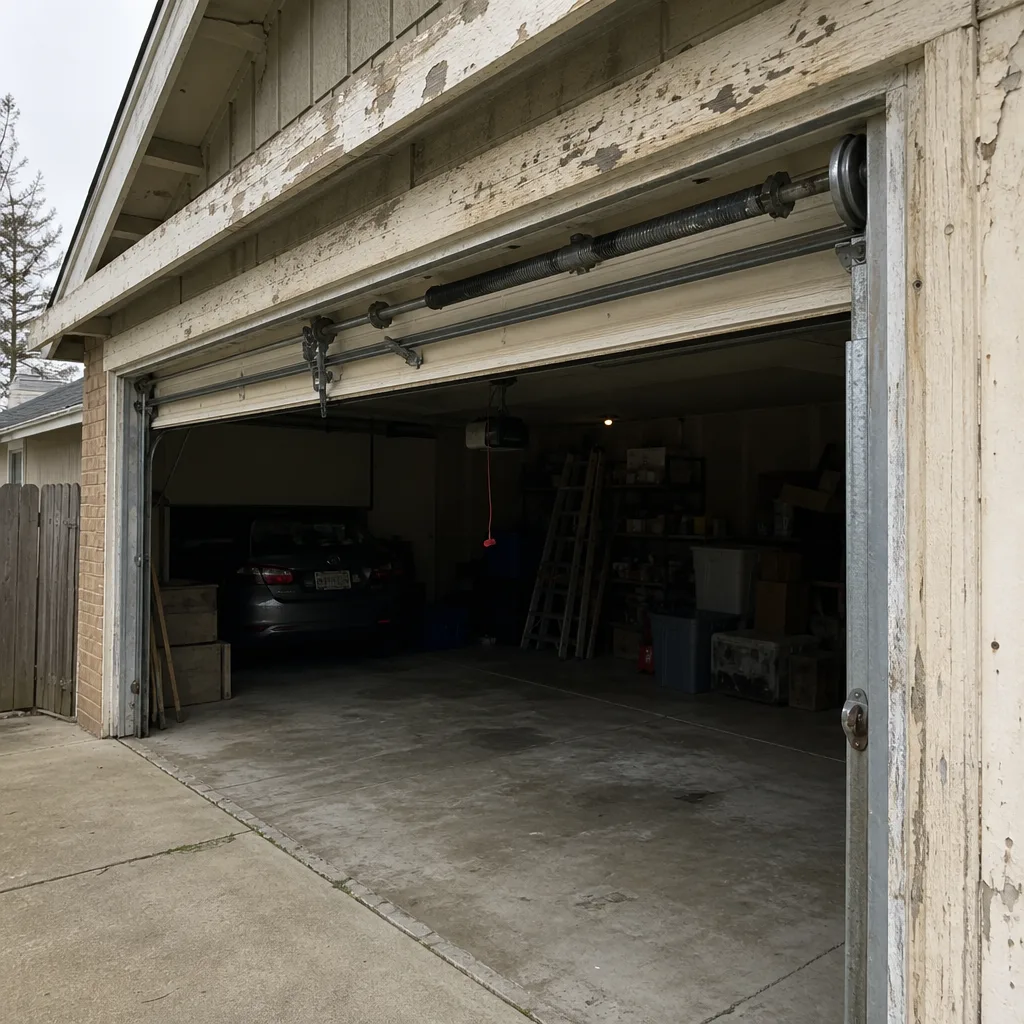 Before
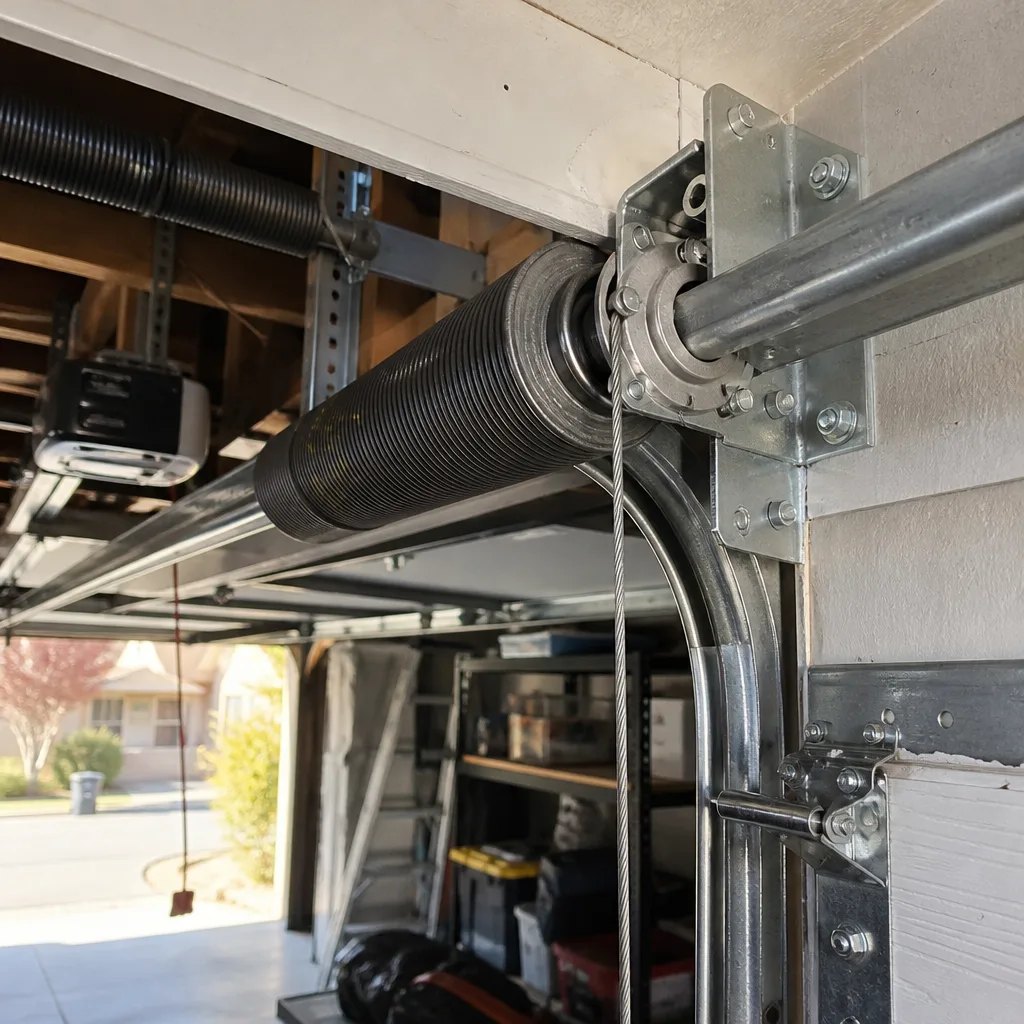 After
AfterReplacement Cost & What’s Included
Most LiftMaster roller replacement jobs in San Jose fall between $130 and $260 depending on how many rollers your door has and whether you want standard nylon or commercial-grade sealed-bearing rollers. A single-car door has around 10 to 11 rollers. A double door has 12 to 14. The price we quote includes:
- Every roller on the door, not just the worn ones
- Removal of the old rollers
- Installation of the new rollers
- Lubrication of the track and hinges
- A quick balance check to make sure the door is running true
- Cleanup before we leave
You get one written price before we begin, and that’s the price you pay. The labor is straightforward, but there’s a trick to doing it right: the bottom roller on each side sits under serious spring tension, so those brackets should never be unbolted by a homeowner working alone. We handle that as part of the job. The 365-Day Done Right Promise covers the rollers and the workmanship for a full year after we install them. If a roller fails inside that window, we come back and replace it at no charge. It’s in writing, not just said at the door.
DIY or Call Us?
Replacing garage door rollers is a repair that looks deceptively simple in YouTube videos and turns ugly fast when the bottom bracket comes off under tension. The bottom rollers are anchored to brackets connected directly to the spring system. Unbolt that bracket without knowing exactly what you’re doing, and the door can drop or the cable can whip loose. We’re not saying that to sell you a service call. We’re saying it because we’ve repaired the aftermath.
What you can safely do yourself: visually inspect the rollers for flat spots, chips, or wobble. Check the stem diameter so you know exactly what’s on your door. Note where the noise is coming from, and tell us over the phone. That’s genuinely useful information and it helps us bring the right parts. Then give us a call at (669) 444-4253, and we’ll handle the rest. Marcus Ellery has spent more than a decade on San Jose service calls, and he’ll tell you the same thing: tell me what it’s doing, and I’ll tell you exactly what it needs, no guesswork, no upsells.
FAQs
Standard plastic-bushing rollers last about five to seven years in normal San Jose use, and we start seeing failures at the four-year mark on doors that cycle four or more times daily. Nylon rollers with sealed ball bearings last ten to fifteen years. The biggest killer in our area is heat: San Jose summers bake the plastic bushings, and once the bushing deforms, the roller stops rolling and begins sliding.
No. A roller with a flat spot, cracked wheel, or worn bearing has failed mechanically, and there is no way to rebuild a residential garage door roller for less than the cost of replacing it. The smart move is to replace the entire set at once, since the rollers that haven’t failed yet are the same age and have done the same number of cycles. Call (669) 444-4253 and we’ll quote the full set.
A full roller replacement on a standard single or double door takes about 45 minutes to an hour for an experienced technician. That includes removing the old rollers, installing the new set, re-lubricating the track, and doing a balance check. Most jobs are done in one visit, and we bring all common roller sizes on the truck.
Yes. We carry standard 2-inch nylon and steel-bearing rollers with 7/16-inch stems, which covers the vast majority of garage doors in San Jose whether the opener is LiftMaster, Chamberlain, or Genie. For older doors with narrower stems or specialty track systems, we source the correct part and schedule a follow-up visit, usually within a day or two.
Call Bramwell Garage Doors San Jose for LiftMaster Roller Replacement
If your garage door is grinding, squealing, or shaking through the track, we’ll diagnose it honestly and give you a written price before any work starts. That’s the Kingswell Way: say the price before the work, show up in the window, leave the place cleaner than we found it, put the guarantee in writing, come back if it fails. A live person answers the phone 24 hours a day, seven days a week. Call (669) 444-4253 for a free estimate.
Written by Marcus Ellery, Owner, Bramwell Garage Doors San Jose at Bramwell Garage Doors San Jose, serving San Jose and nearby areas.